Key Takeaways
- The best hidden Mediterranean coves reward early risers and hikers who arrive before 10 AM in peak season.
- France's Calanques, Italy's Cilento coast and eastern Sardinia, and southern Crete are top regions for uncrowded shoreline.
- Renting a small boat in Greece or Croatia unlocks coves that are otherwise impossible to reach by road.
- Pack water, shade, and reef-safe sunscreen since most secluded beaches have zero facilities.
- Visiting in June or late September balances warm water, thin crowds, and lower accommodation rates.
The Mediterranean boasts some of the world's most beautiful coastlines, but the best beaches are often the ones tourists never find. Here's how to discover them.
The Mediterranean is dotted with famous shorelines that appear on every travel feed: Positano, Mykonos, Saint-Tropez, Dubrovnik. They are genuinely stunning, and there is a reason they are famous. Yet the same popularity that makes them desirable also fills them with sunbeds, cocktail bars, and lines of people waiting for the same photo. If you have ever arrived at a postcard-perfect bay only to find yourself shoulder to shoulder with a thousand strangers, you already understand the motivation for going off the map.
This guide is not about giving up on the iconic spots. It is about balancing them with the quieter corners that locals have always known about, the coves that reward a short hike or a small boat, the inlets where the water runs clearer because there is no jet-ski traffic. We will break down where to look in France, Italy, and Greece, then cover the practical tactics, timing, and gear that make finding secret beaches a repeatable skill rather than a lucky accident.

Why Hidden Beaches Matter
We've all been there: you arrive at a famous beach in the Mediterranean expecting crystal-clear waters and peaceful surroundings, only to find yourself sandwiched between hundreds of umbrellas and towel-wrapped tourists. The solution? Veer off the beaten path.
Hidden beaches matter for more than just aesthetics. When you step away from the most heavily visited stretches of sand, a few things happen at once. The water tends to be cleaner, because there is less sunscreen runoff and fewer motorized watercraft churning up sediment. The shoreline stays wilder, with native vegetation and undisturbed nesting areas for shorebirds. The atmosphere changes too. A quiet cove gives you space to actually hear the sea, to swim without dodging inflatable flamingos, and to stay long enough to notice the light shift from morning glare to golden afternoon warmth.
There is also a sustainability angle worth being honest about. Overtourism puts real pressure on fragile coastal ecosystems, from dune erosion to freshwater scarcity on small islands. Choosing lesser-known beaches spreads visitor impact across a wider area and helps the famous hotspots recover. In places like Crete and the Amalfi Coast, shifting even a portion of your beach days to quieter alternatives meaningfully reduces the load on the headline destinations.
France: Beyond the Riviera
While the French Riviera attracts millions, the best coves are hidden in plain sight. Look for beaches accessible only by boat or hiking trails. The Calanques near Cassis offer stunning hidden inlets with turquoise waters, but arrive early, the secret gets out by noon. The Calanques de Piana and Port-Miou are reachable on foot, while others, such as Calanque d'En-Vau, demand a longer hike through pine forest and limestone that drops dramatically to the sea. Bring sturdy shoes, not flip-flops, for the approach.
For a truly unique experience, visit the beaches around the island of Île de Ré. These aren't technically hidden, but the bike paths and charming villages make finding your own stretch of sand effortless. Rent a bicycle in Saint-Martin-de-Ré and pedal past salt marshes and whitewashed harbors until you find a gap in the dunes that suits you. The water is calm, the tide pools are full of life, and the island's no-cars-outside-villages policy keeps the air quiet.
Further west, the Atlantic side of France near Biarritz offers a different flavor of hidden, with rocky coves and surfing breaks far from the Mediterranean's glassy calm. If you are routing through southern France, pairing the Calanques with Île de Ré gives you both the dramatic-cliff and the flat-island versions of a French secret beach.

Italy: The Undiscovered Coast
Head to the Cilento region in Campania, south of the Amalfi Coast. Here you'll find beaches that haven't changed in centuries, rocky coves with clear water and almost no facilities. Pack everything you need and reward yourself with one of Italy's most pristine coastlines. The town of Palinuro marks the hub, but the real prizes are spots like Buon Dormire, reachable by boat from the harbor, and the long sweep of Marina di Camerota where locals outnumber visitors even in August.
In Sardinia, skip the Costa Smeralda and head to the eastern coast. The beaches near Orosei offer dramatic cliffs, sea caves, and waters so blue they'll make you question your reality. Cala Goloritzé is the famous one, and it is spectacular, but it requires a three-hour round-trip hike that naturally filters out the crowds. Cala Mariolu and Cala Luna sit nearby and are best reached by renting a small rubber dinghy (gommone) from the marina at Santa Maria Navarrese. With no license required for the smaller models, this is one of the highest-reward tactics in the entire Mediterranean for finding your own cove.
Puglia, on the heel of the boot, adds another layer. The coastline around Pescoluse has been called the "Maldives of Salento" for its fine sand and shallow turquoise water, yet it remains surprisingly uncrowded outside the peak Italian holiday weeks of mid-August. Combine it with a stay in a white-washed trullo house near Alberobello for a trip that blends architecture, food, and shoreline.
Greece: Island Hopping Secrets
The Greek islands are full of hidden beaches, but they require effort to discover. On Crete, visit the southern coast near Paleochora, much less visited than the northern beaches. The drive itself is an experience, winding through olive groves and mountain passes before dropping to the Libyan Sea. The sand here is darker, the water warmer, and the tavernas simpler and better. Further east on the south coast, the area around Loutro, reachable only by boat or on foot, offers beaches with no road access at all.
On smaller islands like Folegandros or Kimolos, you can walk to beaches where you'll find yourself completely alone. Folegandros's Angali Beach is a short walk from Chora and stays quiet even in July, while nearby Livadaki requires a steeper descent and rewards you with fine pebbles and a single taverna. Kimolos, just a short ferry from the better-known Milos, has the surreal Prasa beach with white volcanic rock formations that feel like another planet.
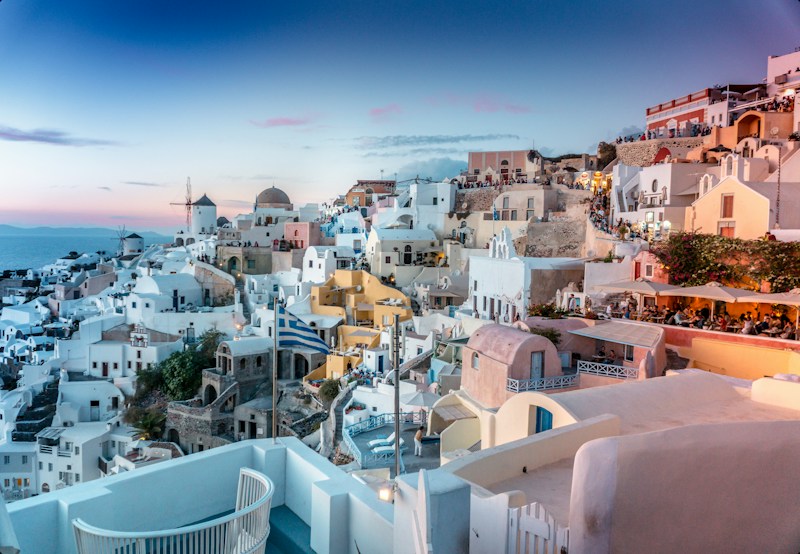
Even on famous Santorini, the hidden beach trick works. Most visitors crowd Red Beach and Perissa, while Vlychada, at the island's southern tip, stays quiet despite its dramatic black cliffs and a single seafood taverna perched above the pebbles. The lesson repeats itself across Greece: on any island, ask where locals swim on their day off, and you will usually get a name that never appears in a guidebook.

Croatia and the Boat-Access Coves
Croatia deserves its own mention because the Dalmatian coast is built for hidden-beach hunting. The coastline is fractured by hundreds of islands, and the karst geology means water cuts caves and arches into the limestone that you can paddle through. The most famous hidden spot is Stiniva on Vis island, a cove enclosed by two cliffs with a narrow gap to the sea. It was once virtually unknown; now it appears in rankings, but the steep descent still keeps numbers manageable.
The real move in Croatia is to rent a small boat from Split or Trogir and explore the smaller islands of Šolta and Drvenik. You will find pebble coves with no name, no road, and no one on them. Bring a mask and snorkel because the water clarity is among the best in the Mediterranean, and the rocky seabeds hold octopus and starfish in shallow water. If you are routing through the region, a day on the water here pairs naturally with our Athens route for a wider Eastern Mediterranean loop.
Best Time to Visit Hidden Mediterranean Beaches
Timing is everything. The Mediterranean high season runs from late June through August, when Europeans take their summer holidays and even hidden spots see more traffic. If you can travel in June, the water is warming up, wildflowers are still blooming along coastal trails, and accommodation is noticeably cheaper. September is arguably the sweet spot: the sea has absorbed an entire summer of heat, so water temperatures peak, while the crowds thin and prices drop.
October is a gamble worth taking in the southern Mediterranean. Crete, Cyprus, and the southern Greek islands often see air temperatures in the mid-70s Fahrenheit well into the month, and the sea stays swimmable. You trade the guarantee of perfect weather for empty beaches and dramatic autumn light. Avoid the idea of a "winter beach trip" in the Mediterranean, though. Most islands quiet down completely from November to April, with ferries running reduced schedules and many tavernas closing entirely.
Pro Tips for Finding Secret Beaches
- Arrive before 10 AM. Especially in summer, the best beaches fill up fast. Even remote coves see a small wave of hikers and boaters by late morning.
- Look for hiking trails. Beaches hidden at the end of paths are usually the most pristine. Apps like AllTrails and Komoot now list coastal walks, but a paper regional map often shows footpaths that no app has indexed.
- Ask locals, not tourist offices. Locals know where the real gems are. Ask a fisherman, a bartender, or the person renting you the car where they go on their day off.
- Rent a boat. In Croatia and Greece, renting a small boat opens up endless hidden coves. No-license dinghies (gommoni) are affordable in high season if you split the cost with travel companions.
- Check nautical charts. They often show beaches that don't appear on road maps. Navionics and similar apps reveal the shape of the coastline in detail, including tiny inlets invisible from any road.
- Follow the wind. Wind direction changes which coves are calm. A beach that is choppy and exposed on a given day may be glassy the next when the wind shifts, so check a marine forecast before committing to a hike.
What to Pack for a Remote Beach Day
When you leave the sunbed-and-lifeguard infrastructure behind, you also leave its conveniences. The hidden-beach packing list is simple but non-negotiable. Water is the first priority: carry at least two liters per person, more if there is any hiking involved, because dehydration sneaks up fast in Mediterranean heat. Reef-safe sunscreen matters more on these beaches, since the lack of crowds means you are often swimming over healthier marine life that sunscreen runoff can harm.
Add a shade solution. A lightweight umbrella or beach tent is worth its weight when there are no rental options. Water shoes are essential on rocky coves, where the entry to the water is sharp limestone or volcanic pebbles. A dry bag keeps your phone and keys safe when you swim, and a small first-aid kit handles the scrapes that come with scrambling on coastal rocks. Finally, bring snacks and a trash bag, because the one rule of remote beaches is that whatever you pack in, you pack out.
Common Mistakes to Avoid
Trusting Instagram Geotags
Social media geotags are a double-edged sword. The photo may be real, but the location is often mislabeled, or the image is shot at an angle that hides the crowds just out of frame. Treat geotags as a starting point, not a destination, and cross-reference with satellite imagery before you commit to a long drive.
Underestimating Access
That perfect cove may require a steep scramble down loose scree, a river crossing, or a hike with no shade. Read the access notes carefully and be honest about your fitness and footwear. A remote beach you reach exhausted and dehydrated is not a reward.
Ignoring Local Restrictions
Some hidden beaches sit within marine protected areas or military zones where swimming, anchoring, or even walking ashore is restricted. These rules protect sea grass beds, monk seal habitats, and archaeological sites. Ignore them and you risk fines and damage to the very environment that makes the place special. Look for posted signs and respect them, even when there is no one around to enforce them.
Going Unprepared for No Facilities
The most common mistake is arriving at a remote beach expecting a bathroom, a snack bar, or fresh water. Plan as if you are going on a short backcountry hike. If a beach has any of those amenities, it is a bonus, not a baseline.
Ready to Explore?
If you're planning a Mediterranean adventure, check out our curated routes:
Tuscany Food & Wine AdventureSafety Considerations for Remote Beaches
Hidden beaches trade convenience for solitude, and that trade has a safety dimension worth taking seriously. There is rarely a lifeguard, so swim within your ability and pay attention to currents. On pebble and rock beaches, the water often deepens quickly, meaning you go from ankle-deep to over your head in a few steps. If you are not a confident swimmer, pick coves with a gradual sandy entry and stay close to shore.
Check the marine forecast for wind and swell before you commit to a remote beach, especially on exposed southern coasts where a sudden wind shift can turn a calm bay into a challenging swim. Tell someone where you are going and when you expect to be back, particularly on islands with limited cell coverage. A fully charged phone, a basic whistle, and a small waterproof flashlight are cheap insurance that takes up no space.
The Reward
There's nothing quite like finding your own piece of Mediterranean paradise. The effort it takes to discover these hidden beaches is part of the adventure, and once you find them, you'll understand why we travel like never before. A quiet cove at the end of a hot hike, with water so clear you can count the pebbles on the bottom, reorders your sense of what a beach can be. It stops being a backdrop and becomes the entire point of the day.
The good news is that the Mediterranean still has hundreds of these places. They are not secrets in the sense that no one knows about them, they are simply the spots that ask a little more of you in exchange for a lot more in return. Show up early, pack sensibly, ask the right questions, and you will find your own quiet corner of one of the most visited coastlines on earth.
About the Author
Sarah Johnson is a travel writer and coastal specialist who has spent the last decade chasing quiet shorelines across the Mediterranean, from the limestone cliffs of Provence to the volcanic pebbles of the Aegean. When she is not mapping footpaths to unnamed coves, she writes about slow travel and marine conservation for Travlike. Follow her field notes for honest, facility-free beach recommendations that still leave room for the occasional well-earned taverna dinner.