Food & Cuisine
A Food Lover's Guide to Paris
Compare French and Italian food-and-wine traditions.
Top Wineries to Visit in Italy's Wine Region
By Lisa Anderson | Updated November 26, 2026
Tuscany is one of the world's most famous wine regions, known for its rolling hills covered in vineyards, historic wineries, and world-class wines. From the bold Chianti to the luxurious Brunello di Montalcino, Tuscan wines are beloved by wine lovers everywhere. The landscape itself is part of the story: cypress-lined roads, medieval hill towns, and cellars carved into stone that have held wine for centuries.
In this guide, we'll take you on a journey through Tuscany's best wineries, from family-owned estates to internationally renowned producers. We will also explain the key appellations, so you know what is actually in your glass, and lay out a practical two-day tasting route that respects the rhythm of a slow lunch and a long drive. Whether you're a casual wine drinker or a serious oenophile, Tuscany offers an unforgettable wine tasting experience. Explore our Tuscany route to plan your wine-focused trip.


Tuscan wine is not a monolith. The region produces distinctly different styles depending on where the grapes grow, and knowing the broad map helps you choose which wineries to visit. Chianti Classico, between Florence and Siena, is Sangiovese country and the spiritual home of Tuscan red wine. Montalcino, further south, makes Brunello, a Sangiovese clone called Sangiovetone grown at higher elevation for longer aging. The Bolgheri coast is where the Super Tuscans live, Bordeaux-style blends that broke the old rules and put Italian wine on the international fine-wine map.
Layered over these zones are DOC and DOCG classifications, which set rules for grape varieties, yields, and aging. The label terms matter: Riserva means longer aging before release, while Rosso (as in Rosso di Montalcino) indicates a younger, more approachable sibling of the flagship wine. Understanding these terms turns a wine list from intimidating to navigable.

The Chianti Classico zone runs between Florence and Siena along the old Roman road. Its black rooster seal (Gallo Nero) is the historic guarantee of authenticity, and the best estates here make Sangiovese-based wines with bright acidity, cherry and herb notes, and an ability to age that surprises people who only know mass-market Chianti in a straw basket. Plan a full day here, because the roads are slow and the views demand stops.
Nestled in the heart of Chianti Classico, Castello di Ama is a stunning estate with panoramic views of the Tuscan countryside. They produce exceptional Sangiovese wines, including their flagship Chianti Classico Riserva, and the property doubles as one of Italy's most ambitious contemporary art collections, with installations scattered through the cellars and vineyards.
One of Tuscany's most famous wine families, Antinori has been producing wine since the 14th century, an unbroken lineage of 26 generations. Their Chianti Classico is a classic expression of the region, and their modern underground winery near Bargino is itself worth the visit: a vaulted, marble-clad cavern built into the hillside that feels closer to a museum than a working cellar.
Fontodi is known for their biodynamic approach and exceptional wines. Their Chianti Classico is elegant and age-worthy, and their Vigna del Sorbo (a Sangiovese-Cabernet blend) is a benchmark for the Super Tuscan style within the Classico zone. The estate sits in the Conca d'Oro, a natural amphitheater of vineyards considered one of the best subzones for Sangiovese.
Montalcino sits south of Siena on a hill ringed by vineyards. The Brunello produced here is 100 percent Sangiovese (specifically the Sangiovese Grosso clone), aged for a minimum of five years before release, two of which must be in oak. The result is a structured, layered red that can age for decades and demands slow food to match. A Brunello tasting day is often paired with a long lunch of wild boar ragu or a bistecca fiorentina.
The historic Biondi-Santi estate is credited with creating Brunello di Montalcino in the late 1800s, when Clemente Biondi-Santi isolated a Sangiovese clone and began making a wine meant to age. Their wines are powerful, complex, and can age for decades. The estate remains the benchmark against which all other Brunello is measured, and a visit here is a walk through Italian wine history.
Castello Banfi is one of the largest producers in Montalcino, known for their consistent quality and a beautiful estate that includes a castle, a glass museum, and a restaurant. Their scale lets them offer a range of tastings from everyday bottles to single-vineyard Brunello, which makes it a good stop for understanding the full spectrum of the appellation.
Argiano produces exceptional Brunello di Montalcino and Rosso di Montalcino wines, with a focus on traditional winemaking techniques. The 16th-century villa and working cellar sit on a hilltop with views to the Val d'Orcia, and the estate's value-to-quality ratio makes it a favorite among collectors and travelers alike.
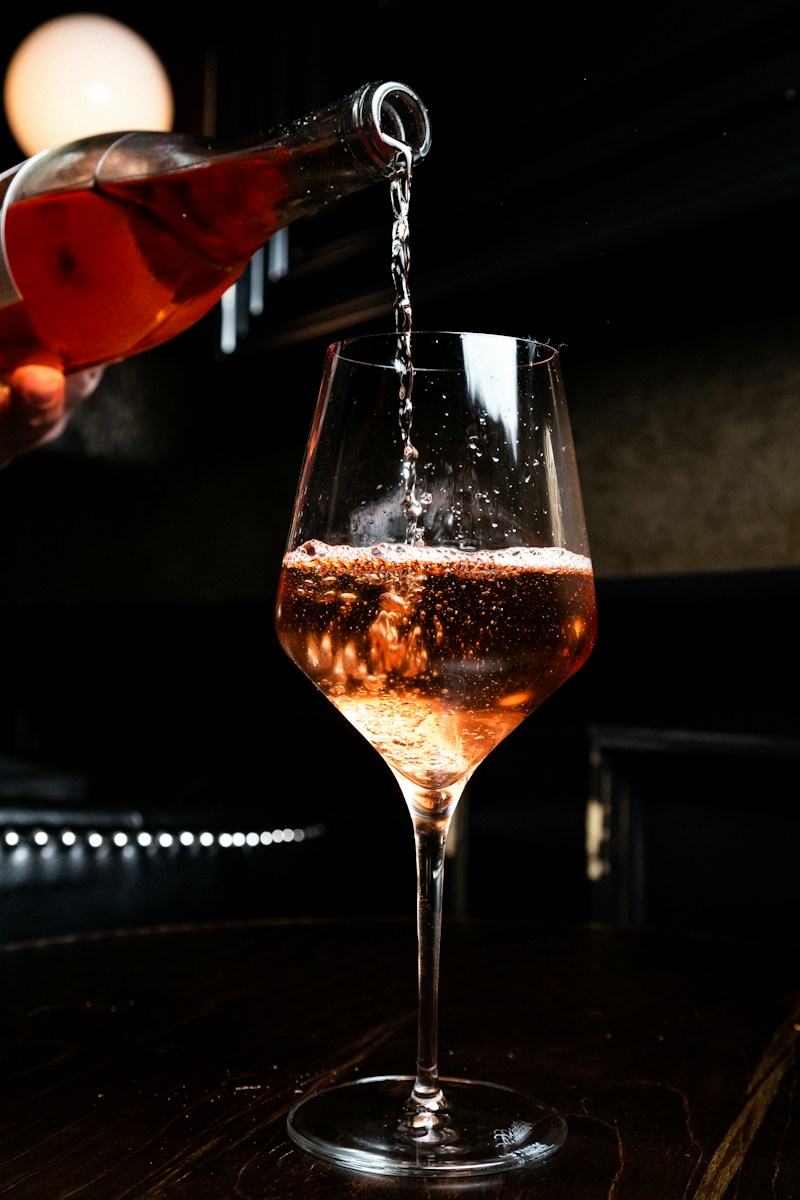
The Super Tuscan story begins in the 1970s, when a handful of producers decided that the DOC rules were too restrictive and started blending non-traditional grapes, particularly Cabernet Sauvignon and Cabernet Franc, with or instead of Sangiovese. These wines were initially labeled as humble table wine (Vino da Tavola) but sold for prices that embarrassed many classified estates. The Bolgheri coast, with its maritime climate and gravelly soils, became the epicenter, and today the area produces some of Italy's most celebrated and expensive bottles.
Sassicaia is considered the original Super Tuscan, blending Cabernet Sauvignon and Cabernet Franc. It is one of Italy's most famous wines, routinely outscoring first-growth Bordeaux in blind tastings, and its 2015 and 2016 vintages are considered benchmarks. Visits to the estate are limited and highly sought after, so book far in advance.
Ornellaia produces bold, Bordeaux-style blends that have earned international acclaim. The estate's flagship wine and its second label Le Volte both show the potential of the Bolgheri terroir. Ornellaia also runs one of the most polished visitor programs in Tuscany, with multiple tour and tasting options, including a vertical tasting of older vintages for serious collectors.
The Bolgheri region is small enough to visit several estates in a day if you plan carefully. The iconic cypress-lined Viale dei Cipressi leads to the village of Bolgheri itself, where a handful of tasting rooms and trattorias make a natural lunch stop. Pair Ornellaia and Tenuta San Guido with a cypress-grove photo stop and a seafood lunch on the coast at San Vincenzo for a full Bolgheri day.
Tuscany is famous for red wine, but it has one historic white appellation worth the detour: Vernaccia di San Gimignano, grown around the medieval tower town of the same name. Vernaccia is crisp, mineral, and slightly almond-scented, and it was reportedly the first Italian wine to receive DOC status in 1966. It pairs naturally with the local saffron risotto and makes a refreshing midday break from the red-wine heaviness of a Tuscan tasting itinerary.
La Poderina produces a crisp, mineral-driven Vernaccia di San Gimignano that pairs perfectly with seafood and white meats, a useful counterpoint after days of Brunello and Chianti.
Fattoria Le Pupille is known for their estate-grown Vernaccia di San Gimignano with bright citrus flavors, alongside their celebrated Morellino di Scansano reds. The estate is run by Elisa Mambelli, one of Tuscany's most respected winemakers, and a visit offers both the white and red sides of the region.
Many wineries require reservations, especially for larger groups. Book in advance, especially during peak season (May to October). A good rule is to reserve two weeks ahead in shoulder season and four weeks ahead in September, when harvest activity fills calendars. Some smaller estates only run one tour per day, so flexibility on time helps.
Most wineries offer guided tours of the vineyards and cellars followed by a tasting. Tastings typically include 3 to 5 wines paired with local cheeses, prosciutto, and olive oil. Expect to spend about 90 minutes to two hours per visit. The best visits include a walk through the vineyards, because seeing the soil and aspect changes how you taste the wine.
Wineries are casual, but comfortable shoes are a must for walking through vineyards and cellars. Bring a jacket or sweater for cellar tours, where temperatures hover around 15 degrees Celsius year-round. Skip heavy perfume or cologne, which interferes with the tasting experience for you and everyone in your group.
For most travelers, two full days hits the sweet spot between coverage and exhaustion. Day one, focus on Chianti Classico: book a morning visit at Antinori's modern winery near Bargino, lunch in the village of Greve, and an afternoon tasting at Castello di Ama. Sleep in a farmhouse agriturismo in the hills between Greve and Castellina. Day two, drive south to Montalcino for a morning visit at Argiano, a long lunch in town with a view, and an afternoon stop at Biondi-Santi or Castello Banfi. If you have a third day, dedicate it to the Bolgheri coast and the Super Tuscans, pairing Ornellaia or Tenuta San Guido with a seafood dinner in San Vincenzo. Our Tuscany route lays out the logistics and overnight options in detail.
The old adage that what grows together goes together is particularly true in Tuscany. Local food is built around the wines, and the right pairing is often the one served to you at the estate.
Quality over quantity. Choose 2 to 3 wineries per day to fully appreciate each one. Tasting is a sensory activity, and after about a dozen pours your palate fatigues, so a third visit is where notes start to blur together.
Popular wineries can book up weeks in advance, especially during peak season. Showing up unannounced usually means a closed gate and a wasted drive.
Pair your wine tasting with local specialties like pecorino cheese, prosciutto, and bruschetta. Tasting on an empty stomach also turns a pleasant afternoon into a problem fast.
It is tempting to chase only Brunello and Super Tuscans, but Vernaccia di San Gimignano and Vermentino offer brightness and refreshment that reset your palate between reds. Give them real attention.
Tuscany's wine country is more than just wine, it's an experience. From the rolling hills covered in grapevines to the warm hospitality of family-owned wineries, Tuscany offers something for every wine lover. The best trips balance ambition with restraint: a few estates visited thoughtfully, long lunches that let the wine settle, and drives slow enough to notice the light changing on the cypresses. Bring a notebook, ask questions, and let the winemakers guide you. You will leave with bottles in your bag and a far better sense of why Tuscan wine has held its reputation for centuries.
Start planning your Tuscan wine adventure today. Pair this guide with our Tuscany route for a complete day-by-day plan.
Lisa Anderson is a wine and travel writer who has spent fifteen years exploring Italian wine regions, from the cellars of Montalcino to the volcanic slopes of Etna. She holds a WSET Level 3 certification and a deep belief that the best wine education happens at the estate kitchen table, over a plate of pecorino and a glass someone just pulled from the barrel. Her work for Travlike focuses on making wine approachable without dumbing it down.
Check out our Italy travel routes for more details
Explore Tuscany Route