Food & Winter Culture

Sapporo: Snow Festival, Beer Heritage & Hokkaido Wilderness

Stand before massive snow sculptures, sip Japan's oldest beer, feast on king crab and miso ramen, and soak in volcanic hot springs in Hokkaido's vibrant capital.

Hi, I'm Kenji. Born and raised in Sapporo, I have been guiding food and culture tours across Hokkaido for twelve years. Updated July 2026.

7 Days / 6 Nights
Sapporo, Japan
All Travelers
City & Day Trips
$$$ - Premium
February / July-August / Year-Round
Snow Festival Sapporo Beer King Crab Miso Ramen Hot Springs

Seasonal Note: Sapporo transforms with the seasons. February brings the Snow Festival with massive ice sculptures. July and August paint Furano's hills purple with lavender. But Hokkaido's seafood, ramen, and beer are spectacular year-round.

Why This Journey is Extraordinary

Hokkaido Seafood

Feast on king crab, hairy crab, sea urchin, and ikura salmon roe at Nijo Market and Donburi Chaya

Ramen Capital

Slurp miso ramen at Sumire and Aji no Karyu to Honten, the birthplace of Sapporo's signature dish

Beer Heritage

Explore the Sapporo Beer Museum, Japan's oldest brewery dating to 1876, with tastings in the historic brick hall

Hokkaido Wilderness

Soak in Noboribetsu hot springs, wander Otaru's canal, and marvel at Furano's lavender and the Blue Pond

Daily Journey Inspiration

1

Sapporo Beer Museum & Odori Park

Japan's oldest beer and the city's green heart

Morning
Sapporo Beer Museum
Start at the Sapporo Beer Museum, a red-brick building from 1890 that tells the story of Japan's oldest beer brand, founded in 1876. The tour walks you through brewing history and ends with a tasting flight of three Sapporo brews. The building is a gorgeous example of Meiji-era industrial architecture.
Pro tip: The Premium Tour includes Kaitakushi Lager, a replica of the original 1876 recipe. Book online to guarantee a spot.
Afternoon
Odori Park & Sapporo TV Tower
Walk off the beer along Odori Park, a 1.5-kilometer green belt splitting the city in half. This is the Snow Festival site every February. Ride the elevator up the 90-meter Sapporo TV Tower for a bird's-eye view of the park stretching to the mountains.
Why we love it: In July, the park transforms into the Sapporo Beer Garden, with outdoor beer tents and grilled lamb jingisukan. In February, it is the Snow Festival main stage.
Evening
Genghis Khan at Sapporo Beer Garden
Stay in the beer garden complex for dinner and try jingisukan, Hokkaido's signature dish of grilled mutton cooked on a convex metal grill. Pair it with a freshly poured Sapporo Black Label draft, available only in Hokkaido.
2

Nijo Market & Susukino Ramen

Seafood at dawn and ramen after dark

Morning
Nijo Market
Arrive at Nijo Market by 7 AM, when stalls are piled with the morning's catch. Hokkaido is Japan's seafood capital, and here you will see live king crabs, glistening sea urchin, and tubs of ikura salmon roe. Sit at Donburi Chaya for a kaisendon, a rice bowl topped with crab, uni, and salmon roe.
Local secret: The seafood rice bowl at Donburi Chaya costs about 2,500 yen and is the freshest breakfast you will ever eat. Arrive before 8 AM to avoid lines.
Afternoon
Tanukikoji Shopping Street
Walk through Tanukikoji, a covered shopping arcade with over 140 shops. Browse for Hokkaido souvenirs, from Royce chocolate to Rokkatei butter sandwiches. The arcade is enclosed, perfect for snowy or rainy days.
Evening
Ramen Yokocho in Susukino
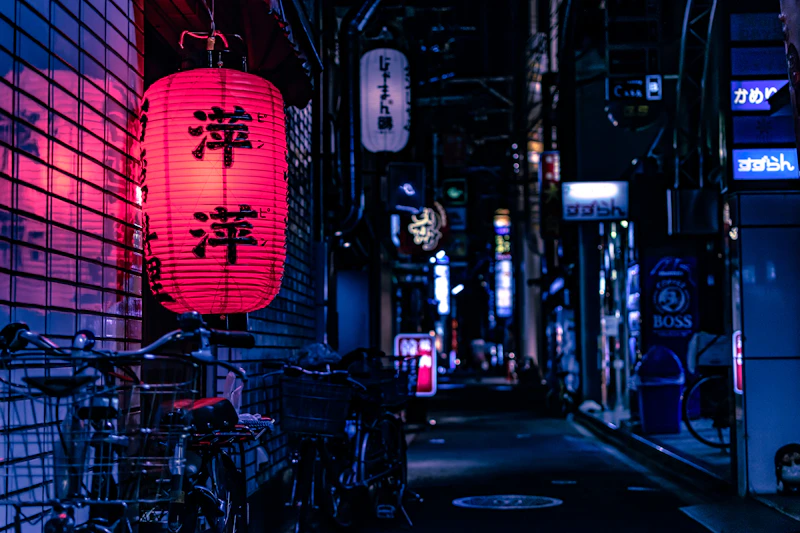
Head to Susukino, Japan's largest entertainment district north of Tokyo, and find Ramen Yokocho, a narrow alley packed with tiny ramen shops. Try Sumire for rich miso ramen with thick noodles and a layer of oil that keeps the broth scalding hot. Or visit Aji no Karyu to Honten, the birthplace of Sapporo miso ramen.
High-traffic warning: Sumire has long lines after 7 PM. Go at 5:30 PM when the shop opens, or try the newer Sumire branch at JR Tower.
3

Otaru Day Trip

Canal town, glassworks, and sushi

Morning
Train to Otaru & Canal Walk
Take the 30-minute JR train from Sapporo to Otaru, a romantic port town with a 1.5-kilometer canal lined with Victorian-style gas lamps. Walk the canal towpath in the morning, when the water reflects the old stone warehouses built in the 1920s.
Pro tip: Buy a round-trip train ticket at Sapporo Station. The Rapid Airport train reaches Otaru in 30 minutes for 750 yen each way.
Afternoon
Sakaimachi Street & Glassworks
Stroll Sakaimachi Street, Otaru's main shopping avenue. The town was once a glass-blowing center for fishing floats, and today old workshops sell glassware, music boxes, and lamps. Visit the Kitaichi Glass complex and the Otaru Music Box Museum in a 1915 stone building.
Evening
Sushi at Otaru Masazushi
Otaru is one of Japan's top sushi towns, thanks to the freshest Sea of Japan fish. Eat at Otaru Masazushi, where the chef places each piece by hand. Try the sweet shrimp, flounder, and the Hokkaido uni, which is creamier than anywhere else in Japan.
Book ahead: Masazushi has multiple locations along the canal. The main shop takes reservations, the branch shops are walk-in.
4

Hokkaido Shrine & Moerenuma Park

Sacred grounds and art landscape

Morning
Hokkaido Shrine & Maruyama Park
Visit the Hokkaido Shrine, nestled in Maruyama Park and surrounded by 1,200 cherry trees. The shrine was built in 1869. In late April, cherry blossoms transform the grounds into a pink wonderland and locals gather for hanami picnics.
Why we love it: Even outside cherry blossom season, the shrine is tranquil and beautiful. Stop at the tea house for matcha and a traditional sweet.
Afternoon
Moerenuma Park
Take the subway to Moerenuma Park, a massive art landscape designed by sculptor Isamu Noguchi. The park covers 189 hectares with geometric hills, a glass pyramid called Hidamari, and playgrounds as sculptural art. Rent a bike to explore the grounds.
Evening
Soup Curry Dinner
Try Sapporo's other signature dish, soup curry, a spicy Indian-Japanese fusion of a clear broth packed with vegetables and meat. Head to Soup Curry Garaku for the most famous version, or AoAo for a milder take. The lamb soup curry with rice is perfect after a cold day.
5

Furano & Biei Day Trip

Lavender fields and the Blue Pond

Morning
Farm Tomita Lavender Fields
Take a 2.5-hour train or tour bus to Furano and visit Farm Tomita, where rolling hills of purple lavender stretch to the horizon. Peak bloom is mid-July, but fields are beautiful from late June through August. Try the lavender ice cream.
Book ahead: Book a day tour from Sapporo that includes Farm Tomita and Biei. Driving yourself is possible but parking is very limited in peak season.
Afternoon
Biei & the Blue Pond
Drive to nearby Biei, a region of patchwork hills and rolling farmland. The highlight is the Blue Pond, or Aoiike, an unnaturally turquoise pool formed by natural minerals. Dead silver birch trees rise from the water, creating a surreal landscape.
Local secret: The Blue Pond is most vivid on sunny midday visits. In winter, the pond freezes and snow sculptures are lit up at night.
Evening
Return to Sapporo for Dinner
Return to Sapporo and unwind with a simple dinner of conveyor belt sushi at Nemuro Hanamaro, where plates start at 150 yen and the crab and scallop are impossibly fresh.
6

Susukino Nightlife & King Crab Feast

Hokkaido's finest seafood and neon nights

Morning
Sapporo Morning Market
Explore the Sapporo Central Wholesale Market, where restaurateurs buy fish before dawn. Several outer shops open to the public by 8 AM, selling crab, scallops, and dried seafood at wholesale prices. Stock up on souvenirs like dried squid and kelp.
Afternoon
Hokkaido Museum & Shopping
Visit the Historic Village of Hokkaido, an open-air museum with 52 relocated pioneer-era buildings. Then head to Sapporo Station for shopping at Daimaru Department Store, where the basement food hall sells every Hokkaido delicacy imaginable.
Evening
King Crab Dinner in Susukino
Splurge on a whole king crab dinner at Kani Honke or Donburi Chaya. The crab is boiled, grilled, and served as sashimi. A whole king crab meal costs 8,000 to 12,000 yen per person but is a once-in-a-lifetime experience. After dinner, explore Susukino's neon-lit arcades.
Book ahead: Kani Honke reservations are essential. Book at least three days in advance for dinner, especially in peak season.
7

Noboribetsu Hot Springs & Farewell

Volcanic valleys and steaming baths

Morning
Train to Noboribetsu
Take a 1.5-hour train from Sapporo to Noboribetsu, Hokkaido's most famous hot spring resort. Walk the boardwalk through Jigokudani, or Hell Valley, a crater of steaming vents and bubbling pools where the town's onsen water originates. The sulfurous smell is intense but part of the experience.
Practical note: If you book a day-use onsen at Dai-ichi Takimotokan, you get access to seven different mineral baths for about 2,000 yen. Bring a small towel.
Afternoon
Onsen Soak & Lunch
Soak in the therapeutic waters at Dai-ichi Takimotokan, the largest ryokan in Noboribetsu. Each bath has a different mineral composition, from iron-rich to sulfuric. Afterward, walk to Oyunuma, a hot crater lake, and try an onsen egg, boiled in the natural hot water.
Evening
Return to Sapporo & Farewell
Take the train back to Sapporo for a final dinner. Eat one last bowl of miso ramen at Shirakaba Sansou in Susukino, then toast Hokkaido with a Sapporo Black Label draft at a local izakaya before your departure.

Practical Tips

Getting There

Fly into New Chitose Airport (CTS), 40 minutes from Sapporo by Rapid Airport train. The train costs 1,150 yen and departs every 15 minutes.

Transportation

Buy a Sapica IC card for subways and buses. The subway covers central Sapporo. For day trips, use JR trains or a tour bus.

Visa Requirements

Visitors from 68 countries including the US, UK, EU, and Australia get 90 days visa-free. Check the MOFA Japan website.

Budget Tips

Conveyor belt sushi starts at 150 yen per plate. Ramen costs 900-1,200 yen. King crab dinners are a splurge at 8,000+ yen. Many parks are free.

What to Pack

In winter, bring serious cold weather gear. Sapporo drops to -10 degrees Celsius in February. In summer, light layers suffice. Pack a towel for hot springs.

When to Go

February for the Snow Festival, July-August for lavender, October for autumn foliage. Crab season runs November to March, when the catch is sweetest.

Traveler Reviews

Kevin L.

Kevin L.

Vancouver, Canada | February 2026

I came for the Snow Festival and it exceeded every expectation. The ice sculptures in Odori Park are massive, some five stories tall. The Beer Museum tour that afternoon was the perfect warm-up. Watching snow fall with a draft beer was pure Hokkaido magic.

Naomi K.

Naomi K.

London, UK | July 2026

Farm Tomita in full lavender bloom was worth the journey. The purple hills roll forever. The Blue Pond in Biei was otherworldly, that turquoise color does not look real. I took a hundred photos and none did it justice.

Greg P.

Greg P.

Sydney, Australia | October 2025

The seafood at Nijo Market ruined all other seafood for me. The kaisendon at Donburi Chaya at 7 AM had uni so creamy it melted. The king crab at Kani Honke was expensive but I have zero regrets. The miso ramen at Sumire was perfect.

Mei C.

Mei C.

Singapore | August 2025

Otaru was the romantic highlight of our trip. The canal at dusk with gas lamps reflecting on the water is breathtaking. We bought glass wine glasses at Kitaichi Glass that survived the flight home. The sushi at Masazushi was the best I have had outside Tokyo.

Thomas R.

Thomas R.

Munich, Germany | February 2026

Noboribetsu Hell Valley was like another planet. The steam pouring out of the ground was surreal. The seven mineral baths at Dai-ichi Takimotokan were incredible, each felt different on the skin. The onsen egg was the best boiled egg I have ever had.

Ashley J.

Ashley J.

Toronto, Canada | November 2025

Soup curry at Garaku was a revelation. The spicy broth with tender chicken and pumpkin was warming. The miso ramen at Aji no Karyu to Honten had a smoky depth I have never tasted. Now I understand why Sapporo is a ramen capital.

Hiro T.

Hiro T.

Los Angeles, CA | March 2026

Moerenuma Park was a highlight I did not expect. Noguchi's design is a masterpiece, every hill and playground is a sculpture you can climb. The glass pyramid Hidamari was stunning against the snow. The jingisukan at Sapporo Beer Garden was the perfect end.

Claire D.

Claire D.

Paris, France | January 2026

The conveyor belt sushi at Nemuro Hanamaro was dangerously good. At 150 yen a plate I ate 15 plates and the crab was fresh. The Hokkaido Shrine in the snow was serene, cedars draped in white. Susukino at night was electric. I loved every neon-drenched minute.

Discover More Routes