Gallery
A glimpse into Kyoto's timeless beauty, temples, and traditional culture.



Over 2,000 temples and shrines, traditional geisha districts unchanged for centuries, and zen gardens that embody tranquility. Kyoto is Japan's soul.
While Tokyo races forward, Kyoto holds tightly to Japan's rich cultural heritage. For over 1,000 years, this city served as Japan's imperial capital. Today, it remains the best place to experience traditional Japan--from geisha sightings to meditation in ancient zen gardens.
From the golden pavilion of Kinkaku-ji to the thousands of vermillion torii gates at Fushimi Inari, sacred spaces of stunning beauty await around every corner.
Walk through Gion's preserved machiya townhouses and you may spot a geiko (Kyoto dialect for geisha) hurrying to an evening appointment. It's an art form that has survived for centuries.
Ryoan-ji's rock garden has been inspiring meditation for over 500 years. The carefully raked gravel and placed stones create a canvas for contemplation that words cannot capture.
Cherry blossoms in spring, lush green bamboo in summer, crimson maples in autumn, and serene snow scenes in winter--Kyoto transforms beautifully with each passing season.
A perfectly balanced week of iconic temples, hidden gardens, cultural immersions, and peaceful moments of reflection.
Take the efficient Haruka Express from Osaka's Kansai Airport to Kyoto Station. Check into your traditional ryokan or modern hotel and prepare to step back in time.
Wander through Kyoto's most atmospheric historic district. The narrow lanes, wooden machiya houses, and preserved storefronts of Higashiyama create an immersive journey into old Japan.
Visit the legendary temple built on stilts over the hillside. Watch the sun set over Kyoto from this 8th-century wonder--the city spreads out below you like a living map.
Arrive at dawn to walk through the famous thousands of vermillion torii gates that snake up Mount Inari. The early morning mist and fewer crowds make this truly magical.
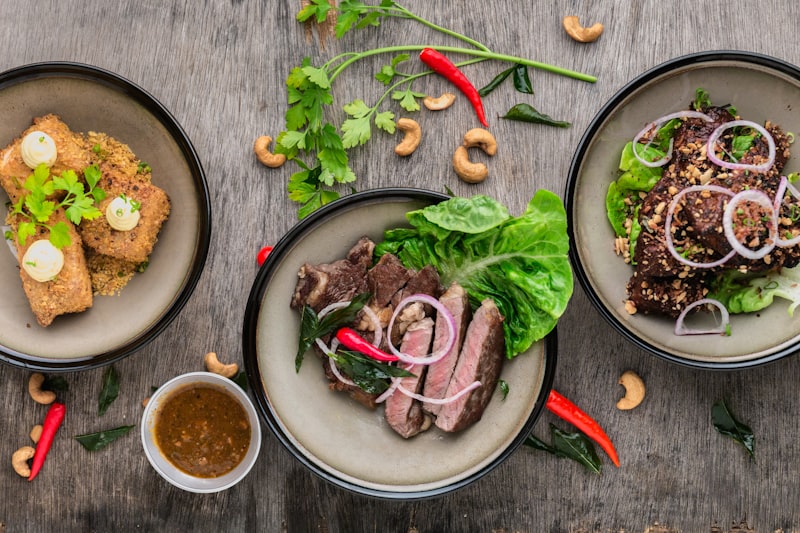
Savor kaiseki--Kyoto's refined multi-course cuisine. Each dish is a seasonal work of art, beautifully presented in the tradition that has influenced Japanese cooking for centuries.
Explore the grand Chion-in temple complex, headquarters of the Jodo sect of Buddhism. Nearby, the serene Kodai-ji temple offers zen gardens and stunning autumn colors.
Walk through the towering bamboo stalks that sway gently in the morning breeze. This otherworldly grove is one of Kyoto's most photographed and most peaceful places.
Visit this UNESCO World Heritage temple, one of Japan's most significant Zen gardens. The pond garden perfectly frames the Arashiyama mountain behind it--a masterpiece of composition.
Take a boat ride down the Oi River, or hike to Iwatayama Monkey Park where wild Japanese macaques roam freely. End with a crossing on the iconic Togetsukyo Bridge.
Participate in an authentic Japanese tea ceremony. Learn the precise movements, the meditative preparation, and the profound philosophy behind this centuries-old ritual.
Dine in the heart of Kyoto's traditional entertainment district. The machiya townhouses now house excellent restaurants serving refined Kyoto cuisine.
Join a guided walking tour through Gion's Hanamikoji street. Learn about geiko culture, the apprentice maiko system, and perhaps spot a geisha in full regalia.
Stroll along this peaceful canal path lined with hundreds of cherry trees and stone statues. In spring, it's Kyoto at its most romantic; in any season, it's profoundly calming.
Despite its name, this temple was never covered in silver. Instead, it offers one of Kyoto's most beautiful moss gardens and elegant architecture reflecting wabi-sabi aesthetics.
Pass through the massive stone arch of Nanzen-ji, one of the most important Zen temples in Japan. Explore the surrounding museum district and relaxing park areas.
See Kyoto's most iconic sight--the top two floors of this temple are completely covered in gold leaf. It reflects beautifully in the mirror pond, especially stunning on misty mornings.
Try shojin ryori--vegetarian cuisine traditionally eaten by Buddhist monks. Delicate, seasonal, and surprisingly satisfying.
Sit before Kyoto's most famous rock garden at Ryoan-ji temple. Fifteen stones arranged in raked white gravel--the meaning has been debated for over 500 years. Let it speak to you.
Return to a favorite temple for a quiet morning visit, or explore a neighborhood shrine you noticed but didn't have time to visit. Kyoto rewards the unhurried traveler.
Browse Kyoto's "Kitchen"--a narrow arcade of vendors selling pickles, dried fish, sweets, and kitchen equipment. Pick up unique Japanese ingredients or souvenirs.
Board the efficient shinkansen or airport express. Depart with a quieter soul, eyes opened to beauty, and memories of a city that exists nowhere else on Earth.
A glimpse into Kyoto's timeless beauty, temples, and traditional culture.
Read reviews from travelers who have experienced this Kyoto journey.

"Ryoan-ji's rock garden moved me in a way I didn't expect. I sat there for over an hour, just staring, thinking, not thinking. It's not about the stones--it's about what they make you feel. I've never experienced anything like it."

"Got to Fushimi Inari at 5:30 AM and had the torii gate tunnels almost to myself. The early wake-up was brutal but absolutely worth it. By 9 AM it was packed with tourists--this place deserves the dawn effort."

"The tea ceremony was the highlight I didn't know I needed. The precision, the silence, the green tea that tasted unlike anything I've had--the whole experience was deeply meditative and genuinely special."

"Walked through the Arashiyama bamboo grove in the early morning and it was transcendent. Those giant stalks creaking and swaying overhead, the filtered light--felt like stepping into another world. Nature and culture in perfect harmony."

"We spotted three geiko in Gion during the evening--they moved so elegantly in their formal kimono, it was like watching living art. The walking tour guide was incredibly knowledgeable about the traditions."

"Kinkaku-ji in winter with a light snow dusting was straight out of a Japanese woodblock print. The gold leaf seemed to glow against the white background. I'll never forget that image as long as I live."

"The kaiseki dinner was like eating art. Every course was beautifully plated, the flavors were subtle and seasonal, and the presentation showed real care. Much more than a meal--it was a philosophy of eating."

"Philosophers Path in cherry blossom season was everything I'd dreamed Kyoto would be. The petals floating on the canal, the moss, the quiet--I took way too many photos but it was genuinely one of the prettiest places I've ever been."
Kyoto offers an unforgettable journey into Japan's cultural soul. Let us help you plan your dream vacation to this ancient capital.
Discover Osaka's incredible food scene, vibrant nightlife, and fascinating history. This 7-day Japan...

Discover Sapporo, Hokkaido's vibrant capital. Snow Festival, Sapporo Beer Museum, king crab, miso ra...

Discover the UAE's sophisticated capital. Explore the Sheikh Zayed Grand Mosque, Louvre Abu Dhabi, F...

Discover Antalya, Turkey's Mediterranean playground. Explore ancient ruins, Blue Flag beaches, and t...