Hi, I'm Carlos. I've lived in Havana for eight years and have explored every corner from the back alleys of Centro Habana to the seaside avenues of Miramar. This guide was last updated in September 2026.
Tipping Note: In Cuba, tipping is appreciated and expected in tourist areas. Leave 10% in restaurants, $1-$2 USD per drink at bars, and $1-$3 USD for taxi drivers. Hotel staff like bellhops and housekeepers appreciate $1-$2 USD per service. Many workers in tourism rely on tips as a significant portion of their income.
Why This Journey is Extraordinary
Living Time Capsule
Explore 500-year-old colonial streets where 1950s American cars still roll past baroque cathedrals
Malecon Sunsets
Walk the legendary seawall at golden hour when locals and travelers gather to watch the sun sink over the Caribbean
Rum & Cigars
Tour the world's most famous rum distillery and watch master rollers handcraft Cuban cigars
Soul of Cuba
Feel the rhythm of salsa, taste authentic ropa vieja, and meet the warm-hearted people who make Havana unforgettable
Daily Journey Inspiration
Old Havana Walking Tour
Colonial plazas, cathedrals, and cobblestone streets
Malecon, Vedado & Nightlife
Seawall sunsets, historic hotels, and salsa clubs
Hemingway Trail & Art
Finca Vigia, the Ambos Mundos, and Cuban fine art
Day Trip to Trinidad
Colonial gem, sugar mills, and Caribbean beaches
Regla & Casablanca
Ferry rides, Santeria, and harbor views
Cuban Cigar & Rum Experience
Partagas factory, Havana Club museum, and tastings
Markets & Farewell
Craft shopping, Obispo Street, and a final Malecon sunset
Practical Tips
Money Matters
Cuba uses two currencies: CUP for locals and MLC (convertible pesos) for tourists. Bring cash - US credit/debit cards don't work. Exchange at banks or Cadeca offices, not on the street.
Getting Around
Old Havana is walkable. For longer distances, take vintage taxis (negotiate price first) or colectivo shared taxis ($1-$2 per ride). The harbor ferry to Regla is cheap and scenic.
Visa Requirements
Most nationalities need a Cuban tourist card (visa) to enter. You can buy it from the airline or Cuban embassy. US citizens have additional restrictions - check current regulations before booking.
Safety & Scams
Havana is very safe but watch for pickpockets on Obispo Street and the Malecon. Beware of jineteros (street hustlers) offering cigars or restaurant recommendations - they work on commission.
Food & Drink
Eat at paladares (private restaurants) for the best food - not state restaurants. Try ropa vieja, lechon asado, and moros y cristianos. Bottled water is recommended - don't drink tap water.
Language & Connectivity
Spanish is the language - learn a few phrases. WiFi is available at hotels and WiFi hotspots (purchase ETECSA cards, $1-$2 per hour). Don't expect reliable internet everywhere.
Common Mistakes to Avoid
Currency Confusion
Don't confuse CUP (Cuban Pesos) with MLC or USD prices. Always confirm which currency a price is in before paying. A meal quoted in CUP vs USD is a 24x difference. When in doubt, ask "en pesos?" or "en dolares?"
WiFi Planning
Don't assume you'll have internet access everywhere. Download offline maps, translation apps, and your itinerary before you go. Buy ETECSA WiFi cards from hotels or official kiosks - never from street vendors who sell expired or fake cards.
Restaurant Expectations
Service in Cuba is slower than you're used to - meals can take 2+ hours. This is normal and part of the pace. Don't rush it. Also, state-run restaurants are generally worse than private paladares - stick to paladares for better food and service.
Cigar Street Scams
Never buy cigars from street vendors - they're almost always counterfeits made with cheap tobacco. Only buy from official cigar shops (like La Casa del Habano) or factory stores. Real Cuban cigars come in sealed boxes with hologram stickers.
Not Bringing Cash
US credit cards and debit cards do NOT work in Cuba due to economic sanctions. You must bring enough cash for your entire trip. Bring crisp, new bills - torn or worn bills may be refused. Euros and Canadian dollars are also widely accepted.
Over-Scheduling
Havana moves at its own pace. Don't pack your schedule too tight. Things take longer - buses run late, restaurants are slow, attractions sometimes close unexpectedly. Leave downtime for wandering, sitting in cafes, and just watching the world go by.
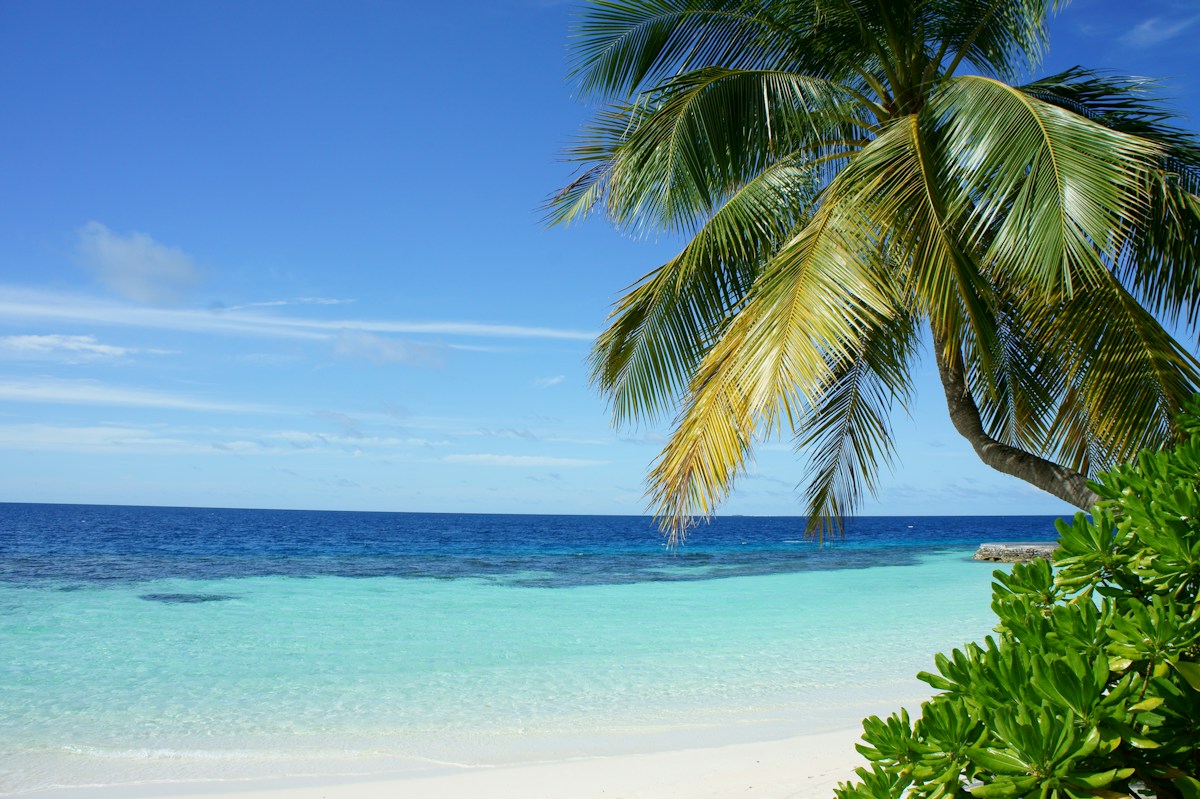
Havana Gallery



Traveler Reviews

Jennifer M.
Austin, TX | January 2026
Old Havana is like stepping into a time machine. Every street has a story, every building is more colorful than the last. We spent our first day just wandering and getting lost, which was the best thing we did. The vintage convertible ride along the Malecon at sunset was worth every dollar - our driver Roberto was hilarious and told us so many local stories. Just make sure you negotiate the price before you get in.

Marcus T.
Chicago, IL | February 2026
The Hemingway tour to Finca Vigia was the highlight of my trip. Standing in his study where he wrote The Old Man and the Sea, seeing his typewriter and all his books - it was surreal. The Havana Club rum museum was surprisingly interesting too, and the tasting at the end was generous. The 15-year Gran Reserva was smooth enough to drink neat, and I brought a bottle home. The Malecon sunsets are no joke - we went every single night.

Elena R.
Miami, FL | December 2025
The salsa night at Casa de la Musica was insane. The band was incredible and everyone was dancing - locals and tourists together. I took the one-hour class first and by the end of the night I was actually getting it. The food at the paladares blew me away - better than the Cuban restaurants in Miami, honestly. The ropa vieja at a little place in Vedado was the best I've ever had. And the prices? We ate like kings for $15 a person.
You Might Also Like
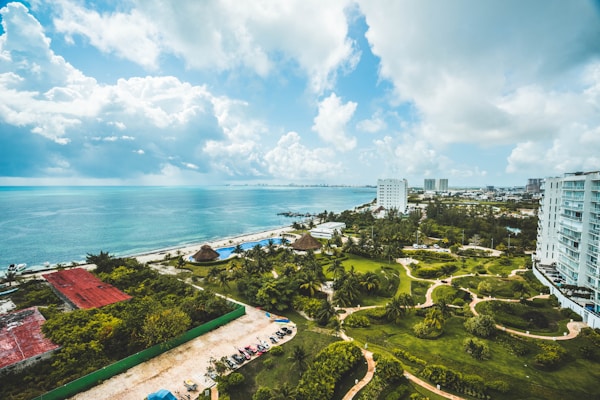
Cancun Beach Escape
Turquoise waters, white-sand beaches, Mayan ruins, and vibrant nightlife on Mexico's Yucatan coast.
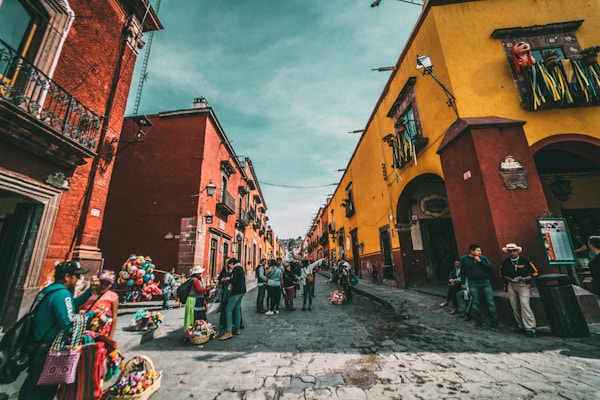
Mexico City Explorer
Discover ancient Aztec ruins, world-class museums, colorful neighborhoods, and the best street food in Latin America.

Cartagena Coastal Journey
Explore the walled colonial city, colorful Getsemani, Rosario Islands, and the best of Colombia's Caribbean coast.

Santo Domingo Discovery
Walk the first streets of the Americas, explore the Colonial Zone UNESCO site, and discover Dominican culture.