History & Culture

Sarajevo: Where East Meets West

Discover Europe's Jerusalem - a city where Ottoman minarets, Austro-Hungarian facades, and resilient modern spirit converge in the heart of the Balkans.

Hi, I'm Lejla. I grew up in Sarajevo and have been guiding travelers through my city's layered history for over a decade. This guide was last updated in July 2026.

7 Days / 6 Nights
Sarajevo, Bosnia & Herzegovina
History Buffs & Curious Travelers
City Walking + Day Trip
$$ - Affordable
April-October (Best: May-June, September)
Baščaršija Latin Bridge Tunnel of Hope Mostar Day Trip Bosnian Coffee Yellow Fortress

Currency Note: Bosnia uses the Convertible Mark (BAM). 1 EUR = ~1.95 BAM (effectively pegged to the euro). ATMs are widely available in Sarajevo city center. Most restaurants and shops accept cards, but carry cash for the Old Town bazaar and smaller cevapi stands. Tipping 10% is appreciated but not mandatory.

Why This Journey is Extraordinary

Layered History

Walk through 500 years of Ottoman legacy, Austro-Hungarian grandeur, and the scars of the 1990s siege - all within a 20-minute walk

Balkan Hospitality

Bosnians are famously warm. You will be invited for coffee, offered extra food, and treated like family in most restaurants

Cevapi & Coffee

From the best cevapi at Zeljo to slow-poured Bosnian coffee served with rahat lokum - your taste buds are in for a treat

Incredible Value

Sarajevo is one of Europe's most affordable capitals. A hearty meal costs 8-12 BAM, and a comfortable hotel room starts at 50 BAM per night

Daily Journey Inspiration

1

Baščaršija & Ottoman Sarajevo

Exploring the heart of the Old Town

Morning
Baščaršija Bazaar & Sebilj Fountain
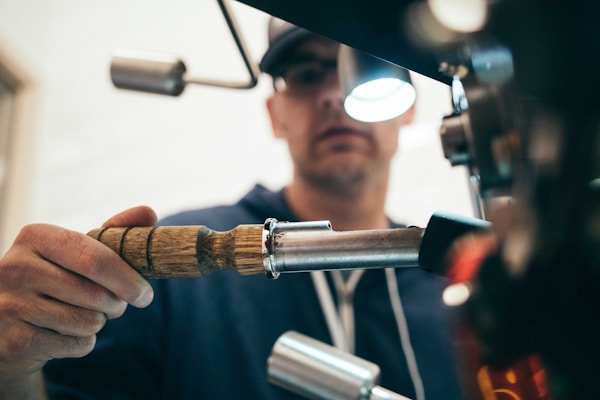
Start at the iconic Sebilj fountain in the heart of Baščaršija, Sarajevo's Ottoman bazaar quarter dating back to the 15th century. Wander through narrow cobblestone streets lined with copper workshops, where artisans hammer intricate trays and coffee sets by hand - a tradition unchanged for centuries. Duck into Kazandziluk (Coppersmith Street) to watch craftsmen at work.
Local tip: The pigeons around Sebilj are considered lucky. Legend says anyone who drinks water from the fountain will return to Sarajevo. Buy a small copper souvenir directly from the artisans on Kazandziluk for 15-30 BAM.
Afternoon
Gazi Husrev-beg Mosque & Bezistan
Visit the Gazi Husrev-beg Mosque, the largest and most important Ottoman mosque in Bosnia (built 1530). Non-Muslims are welcome outside prayer times. Next door, explore the Bezistan - a covered 16th-century bazaar now selling textiles, jewelry, and traditional crafts. Climb the mosque's minaret for a small fee (5 BAM) for panoramic views of the Old Town.
Dress code: Women must cover their heads and shoulders, and everyone must remove shoes before entering the mosque. Scarves are available at the entrance.
Evening
Dinner at Dveri
Dine at Dveri, a beloved restaurant tucked on a side street off Bascarsija. The menu features traditional Bosnian dishes with a modern twist - try the begova corba (bey's soup), stuffed veal rolls, and homemade bread. Mains are 12-18 BAM. The stone-walled interior with candlelight creates an unforgettable atmosphere.
2

Latin Bridge, War History & Vijećnica

The shot that started World War I and a city's resilience

Morning
Latin Bridge & Assassination Museum
Walk to the Latin Bridge, the historic site where Archduke Franz Ferdinand was assassinated on June 28, 1914, triggering World War I. The small but excellent Museum of the Assassination (Sarajevo 1878-1918) on the corner tells the story with photographs, artifacts, and detailed exhibits. Entrance is 5 BAM.
Historical context: The museum is small - allow 45 minutes. The bridge itself is still used by pedestrians. Stand on the corner and imagine the events that changed world history.
Afternoon
Vijećnica - Sarajevo City Hall
Visit the magnificent Vijećnica, the Austro-Hungarian-era City Hall that was destroyed during the 1992-95 siege and meticulously restored. This Pseudo-Moorish masterpiece now houses the National Library. The interior is a breathtaking symphony of colorful arches, stained glass, and intricate woodwork. Free entry, guided tours available for 10 BAM.
Why it matters: During the siege, the building was deliberately targeted and burned, destroying over 2 million books. Its restoration symbolizes Sarajevo's resilience.
Evening
Sarajevo Cathedral & Sacred Heart Cathedral
Visit the Cathedral of Jesus' Sacred Heart (Sarajevo Cathedral), the largest Catholic cathedral in Bosnia, and the nearby Sarajevo Old Orthodox Church. These two landmarks, along with the nearby mosque and synagogue, illustrate why Sarajevo is called "Europe's Jerusalem" - four faiths within 200 meters of each other.
3

Tunnel of Hope & Yellow Fortress

Understanding the siege and sunset over the city

Morning
Tunnel of Hope (Sarajevo War Tunnel Museum)
Take a 15-minute taxi ride to the Sarajevo War Tunnel Museum, located under the airport runway. During the 1992-95 siege, this 800-meter tunnel was the city's only lifeline, transporting food, weapons, and medicine. You can walk through a preserved 25-meter section of the tunnel, see documentary footage, and view artifacts from the war. Entry is 20 BAM.
Respectful visiting: This is a somber site. Take your time to read the stories. The guides are often survivors themselves - listen to their personal accounts. Allow 1.5-2 hours.
Afternoon
Gallery 11/07/95
Return to the city center and visit Gallery 11/07/95, a powerful photographic exhibition documenting the Srebrenica genocide. The gallery presents large-format images by photojournalist Tarik Samarah, accompanied by survivor testimonies. It is a profoundly moving experience that provides essential context for understanding modern Bosnia. Entry is 10 BAM.
Warning: This exhibition contains graphic content. It is not suitable for young children. Allow at least 1 hour.
Evening
Yellow Fortress (Žuta Tabija) Sunset
Climb the hill to the Yellow Fortress, a 17th-century Ottoman fortification that offers the best panoramic sunset view of Sarajevo. The entire Old Town spreads out below you, with minarets and church spires rising above red-tiled roofs. The fortress has a small cafe where you can sip Bosnian coffee (2 BAM) while watching the sun set behind the mountains.
4

Mostar Day Trip: Stari Most & Počitelj

Herzegovina's jewel and a medieval village

Morning
Travel to Mostar & Stari Most Bridge
Take the 7:30 AM bus from Sarajevo's main bus station to Mostar (2 hours, 20 BAM one way). Arrive at the famous Stari Most (Old Bridge), a UNESCO World Heritage site. The 16th-century Ottoman bridge arches gracefully over the Neretva River. Watch local divers leap from the 24-meter-high bridge into the cold river below - a tradition dating back 400 years. The bridge was destroyed in 1993 and rebuilt with original stones.
Timing: Arrive before 10 AM to avoid crowds. Divers typically perform for tips - they dive around noon and again in the afternoon. Expect to tip 25-50 BAM for a dive.
Afternoon
Počitelj Village & Kravica Waterfalls
Take a local bus (30 minutes, 5 BAM) to Počitelj, a perfectly preserved Ottoman-era village built into a hillside. Climb to the Sahat Kula (clock tower) for panoramic views. If time permits, continue to Kravica Waterfalls (40 minutes from Mostar), a stunning 25-meter-high cascading waterfall where you can swim in the turquoise pool below. Entry to Kravica is 10 BAM.
Pool tip: Bring your swimsuit! The waterfall pool is cold but refreshing in summer. There are changing rooms and a small snack bar on site.
Evening
Mostar Old Town & Return to Sarajevo
Explore Mostar's Old Town, with its cobblestone streets lined with shops selling copper, Turkish-style lamps, and pomegranate juice. Have dinner at Sadrvan, a restaurant right on the Neretva River with fresh river trout for 15 BAM. Catch the last bus back to Sarajevo at 8 PM (20 BAM).
5

Trebević Cable Car & Mountain Views

From the city to the mountains in 15 minutes

Morning
Trebević Cable Car
Ride the Trebević cable car, which reopened in 2018 after being destroyed during the war. The 15-minute ride ascends 1,160 meters above the city, offering spectacular views of Sarajevo's valley, river, and the surrounding Dinaric Alps. A round-trip ticket costs 20 BAM. At the top, there are hiking trails, a restaurant, and the abandoned 1984 Winter Olympics bobsled track covered in colorful graffiti.
Avoid lines: Go early (opens at 9 AM) or after 2 PM to avoid queues, which can be 30-60 minutes in peak summer season.
Afternoon
Bobsled Track & Mountain Hiking
Walk along the abandoned 1984 Winter Olympics bobsled and luge track, which snakes through the forest. The concrete track is now covered in striking street art and graffiti. Hike one of the marked trails through the forest - the 2-hour loop trail offers incredible views and wildflower meadows in spring. Pack a picnic to enjoy at the summit.
What to bring: Good walking shoes, water, and a light jacket - it is significantly cooler at the top than in the city. The bobsled track is slippery when wet.
Evening
Cevapi at Petica Ferhatović
Descend back to the city and head straight to Petica Ferhatović, arguably the most famous cevapi joint in Sarajevo. Order a portion of 10 cevapi (grilled minced meat sausages) served in a fresh somun (flatbread) with chopped onions and kaymak (creamy dairy spread). A full order with a side of kajmak is 8 BAM. Wash it down with a glass of yogurt.
6

Sarajevo's Coffee Culture & Arts Scene

Slow down and savor the city's creative pulse

Morning
Bosanski Cafe & Sarajevski Somun
Experience Bosnian coffee culture at Cafe Divan, a traditional kafana on the edge of Bascarsija. Bosnian coffee is served in a copper dzezva (long-handled pot) with a side of rahat lokum (Turkish delight) and a sugar cube. The ritual is unhurried - sit, sip, and chat. Then visit a bakery (pekara) for fresh sarajevski somun, the city's signature bread, warm from the oven for 1 BAM.
How to drink Bosnian coffee: Pour the coffee slowly into the cup, let the grounds settle at the bottom. Dip your sugar cube lightly and bite it between sips - never stir the sugar in.
Afternoon
Sarajevo's Art & Gallery Scene
Explore the contemporary art scene at the Ars Aevi Museum of Contemporary Art and the Romanija Gallery. Wander through the streets of the Old Town where galleries showcase local artists working in everything from traditional Islamic calligraphy to modern photojournalism. Visit the War Childhood Museum, a unique museum documenting the experiences of children who grew up during the 1992-95 war - entry is 10 BAM.
Don't miss: The War Childhood Museum is one of the most moving museums in Sarajevo. It was awarded the Council of Europe Museum Prize in 2018.
Evening
Wine Tasting & Zilavka
End the day at Vinoteka, a wine bar near the cathedral that offers tastings of Bosnian wines. The signature white wine is Zilavka, a crisp, mineral-driven wine from Herzegovina that pairs perfectly with local cheese and prosciutto. A tasting flight of three wines costs 15 BAM. For dinner, try traditional Bosnian lamb under the sac (iron bell) at Hadzibegic restaurant.
7

Sarayevo's Final Day: Souvenirs & Farewell

Last-minute discoveries and reflections

Morning
Sarajevo's Green Market & Souvenir Shopping
Visit the Markale Market, the city's main green market, where local farmers sell fresh produce, honey, and homemade rakija (fruit brandy). Pick up Bosnian coffee sets, copperware, and traditional handicrafts from the Bascarsija shops. Stop at the Morica Han, a 16th-century caravanserai that now houses artisan workshops and a peaceful courtyard garden.
Souvenir suggestions: A copper coffee set (30-60 BAM), dried figs from Herzegovina, local honey, and a bottle of Zilavka wine make excellent gifts.
Afternoon
Zeljo - The Best Cevapi in Sarajevo
No visit to Sarajevo is complete without one last meal at Zeljo, a legendary cevapi stand in Bascarsija that has been operating since 1946. The queue moves fast - order a small portion (5 cevapi, 4 BAM) or a large (10 cevapi, 7 BAM). The grilled meat is perfectly spiced, the somun is pillowy, and the onions add the right kick. Eat standing at the high tables like a local.
Final tip: Zeljo is cash-only. Go before 2 PM as they sometimes sell out. This is the cevapi standard by which all others are judged.
Evening
Farewell Dinner at Klopa
Enjoy a farewell dinner at Klopa, a trendy farm-to-table restaurant near the cathedral. The menu changes seasonally but always features locally sourced ingredients. Try the Bosnian platter (39 BAM for two) with various meats, cheeses, and homemade bread. The rooftop terrace is lovely on warm evenings. Raise a glass of rakija to Sarajevo - a city that has survived and thrived against all odds.

Practical Tips

Getting There

Fly into Sarajevo International Airport (SJJ). Direct flights from Istanbul, Vienna, Munich, Zagreb, and Doha. Taxi to city center is 25 BAM (fixed price). The airport bus (G Tram) runs every 30 minutes for 5 BAM.

Transportation

Sarajevo is walkable. Use trams (1.80 BAM per ride, buy tickets at kiosks) for longer distances. Taxis are cheap (5-10 BAM within city). For Mostar, use the bus from the main station.

Visa Requirements

EU, US, UK, Canadian, and Australian citizens can enter Bosnia visa-free for up to 90 days. Always check your specific nationality requirements before traveling.

War History Context

Approach war sites with respect. Many locals survived the siege. Avoid casual questions about the war unless invited. Listen more than you ask. The Tunnel of Hope and Gallery 11/07/95 are essential for understanding modern Bosnia.

What to Pack

Comfortable walking shoes, a scarf for mosque visits, layers for mountain/city temperature differences, a reusable water bottle (tap water is safe), and an umbrella.

Local Etiquette

Bosnians are warm and direct. A handshake with eye contact is standard. When invited for coffee, never refuse - it is a social ritual. Smoking is common in cafes. Dress modestly when visiting religious sites.

Traveler Reviews

Daniel K.

Daniel K.

Vienna, Austria | June 2026

Sarajevo completely changed my perspective on the Balkans. The Tunnel of Hope was deeply moving - standing in that narrow, dark passageway, you can almost feel the weight of history. The guide at the museum was a teenager during the siege and his personal story brought everything to life. And the cevapi at Zeljo? I still dream about them. Best 7 BAM I ever spent.

Maria S.

Maria S.

Barcelona, Spain | May 2026

The Mostar day trip was the highlight of our entire Balkan trip. Standing on Stari Most watching the divers plunge into the Neretva was incredible. We also made it to Kravica Waterfalls and swam in the pool - the water was cold but absolutely crystal clear. Our lunch at Sadrvan with grilled trout right by the river was unforgettable. The itinerary pacing was perfect, not rushed at all.

James T.

James T.

Melbourne, Australia | April 2026

As a history teacher, I came to Sarajevo with high expectations and was blown away. The Latin Bridge museum is small but perfectly formed - the curator clearly explained how the assassination unfolded. Gallery 11/07/95 left me speechless. The combination of Ottoman, Austro-Hungarian, and Yugoslav-era architecture visible from a single spot on the Yellow Fortress is a history lover's dream.

Anna L.

Anna L.

Warsaw, Poland | May 2026

The Bosnian coffee ritual at Cafe Divan was a revelation. The owner explained that you're supposed to take your time - no rushing, no laptops, just conversation. I sat there for two hours watching the world go by. The Trebevic cable car gave the most spectacular views of the city, and walking the abandoned bobsled track felt like stepping into a post-apocalyptic movie.

Carlos M.

Carlos M.

Mexico City, Mexico | June 2026

I was nervous about traveling to Bosnia alone, but Sarajevo felt incredibly safe and welcoming. The free walking tour (tip-based, highly recommended) was fantastic - our guide Elma showed us the "Sarajevo roses" (mortar shell marks filled with red resin) and explained their meaning. Dveri restaurant was the best meal of my trip. The stuffed veal rolls were out of this world.

Sarah W.

Sarah W.

Portland, OR | April 2026

The War Childhood Museum deserves every award it has won. I spent two hours reading the stories of children who grew up during the siege - their drawings, toys, and letters. It was heartbreaking but also hopeful. The rest of the itinerary balanced this heavy history perfectly with the joy of Bascarsija's copper markets and the incredible food scene. Sarajevo stole my heart.

Tom H.

Tom H.

London, UK | May 2026

The value for money in Sarajevo is incredible. We had a three-course meal with wine at Klopa for under 40 BAM for two people. The wine tasting at Vinoteka introduced us to Zilavka, which is now my favorite white wine. The Yellow Fortress at sunset is a must - the view of the entire city with the call to prayer echoing from the minarets was a moment I will never forget.

Yuki N.

Yuki N.

Tokyo, Japan | June 2026

Coming from Tokyo, I was amazed by the slow pace of life in Sarajevo. The Bosnian coffee ritual is the complete opposite of Japan's fast coffee culture - you sit, you talk, you stay. The copper artisans on Kazandziluk let me try my hand at hammering a small tray. I bought a handmade copper coffee set for 45 BAM - my favorite souvenir from any trip. Already planning to return.

Discover More Routes