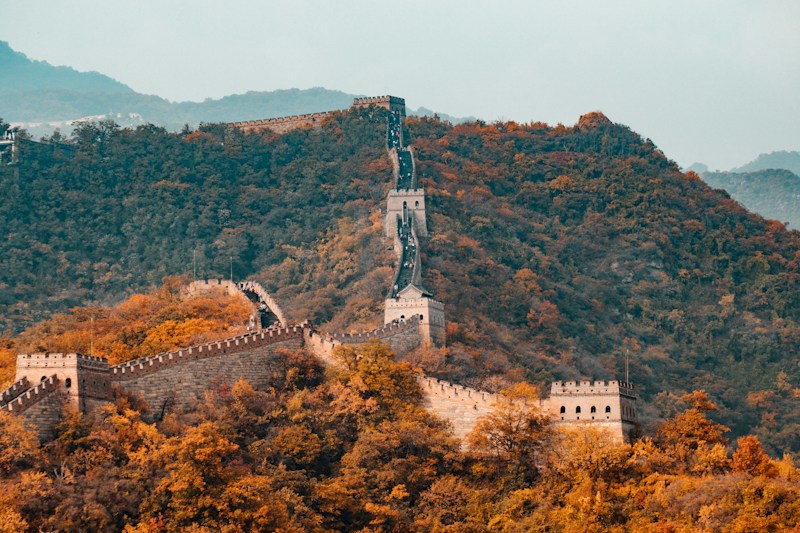
Culture & Mountain Adventure

Danba: Kingdom of 1,000 Watchtowers

Deep in the Hengduan Mountains, ancient stone watchtowers pierce the sky above terraced Tibetan villages - one of the most beautiful landscapes in China.

Hi, I'm Tenzin. I'm a Jiarong Tibetan from Danba, and my family has lived in the shadow of the Suopo watchtowers for generations. This guide was last updated in July 2026.

7 Days / 6 Nights
Danba, Sichuan, China
Culture & Mountain Trekkers
Moderate-Strenuous (High Altitude)
$ - Budget Friendly
April-May (Spring) / October-November (Autumn)
Jiaju Tibetan Village Suopo Watchtowers Zhonglu Village Jiarong Tibetan Culture Dadu River Valley Mo'er Mountain

Altitude Warning: Danba county ranges from 1,800m to 4,500m in elevation. Jiaju Village is at 2,200m, Suopo at 2,600m, and Mo'er Mountain reaches 4,500m. Altitude sickness is a real concern. Spend your first day acclimatizing in Danba town (1,800m). Drink plenty of water, avoid alcohol, and consider taking Diamox. If you experience severe headaches, nausea, or shortness of breath, descend immediately. The nearest hospital is in Danba town.

Why This Journey is Extraordinary

Ancient Watchtowers

Over 1,000 stone watchtowers dot the Danba valley, some over 1,000 years old. These architectural marvels were built by the Qiang and Tibetan peoples for defense and status

Jiarong Tibetan Culture

The Jiarong are a unique Tibetan sub-group with their own language, stunning traditional costumes, and distinctive architecture

UNESCO Candidate

Jiaju Tibetan Village is a UNESCO World Heritage candidate, recognized for its exceptional landscape of terraced fields, traditional houses, and watchtowers

Spectacular Seasons

Autumn transforms the valley into a palette of gold and red. Spring brings blossoms and green terraces. Both seasons are breathtaking

Daily Journey Inspiration

1

Arrival in Danba & Acclimatization

Entering the watchtower kingdom

Morning
Travel from Chengdu to Danba
Depart early from Chengdu for the 7-8 hour drive to Danba. The route follows the dramatic Dadu River Valley through the Hengduan Mountains. The road passes through Wolong Nature Reserve, Balang Mountain Pass (4,523m), and the stunning Siguniang Mountain (Four Sisters Mountain) scenery. The drive is long but spectacular - you will pass through Tibetan villages, cross high mountain passes, and descend into the lush Danba Valley. Hire a 4WD vehicle with a driver (800-1,200 RMB for the trip).
Road conditions: The road to Danba is winding and can be rough in sections. A 4WD is recommended. The Balang Mountain Pass is the highest point of the journey - take it slow and watch for altitude symptoms. The scenery is worth every minute of the drive.
Afternoon
Arrival in Danba Town
Arrive in Danba town (1,800m), the county seat. Check into a hotel in town - the Danba Hotel or the Zangzhai Inn offer comfortable rooms from 200-350 RMB per night. Rest and acclimatize. Take a gentle walk along the Dadu River, which runs through the town. The town itself is a mix of Tibetan and Han Chinese architecture, with prayer flags fluttering from rooftops and the sound of the river filling the valley.
Acclimatization: Do not rush to higher elevations on your first day. Drink plenty of water, eat lightly, and avoid alcohol. The air is thin and dry. A headache is common on the first night.
Evening
Tibetan Welcome Dinner
Enjoy a Tibetan dinner in Danba town. Try the local specialties: tsampa (roasted barley flour, mixed with butter tea into a dough), yak meat stew, and Tibetan momos (dumplings filled with yak meat, 15 RMB for 10). The butter tea is salty and rich - an acquired taste but essential for acclimatization. The restaurant Zang Xiang Ge in the town center serves authentic Jiarong Tibetan cuisine. Dinner costs 50-80 RMB per person.
2

Jiaju Tibetan Village

The most beautiful village in China

Morning
Jiaju Village Exploration
Drive 30 minutes from Danba town to Jiaju Tibetan Village, often called "the most beautiful village in China." Jiaju is a UNESCO World Heritage candidate with 140+ traditional Jiarong Tibetan houses, terraced fields, and ancient watchtowers. The village is built on a hillside overlooking the valley. The houses are four to five stories tall, built of stone and wood, with the ground floor for animals and the upper floors for living. The roofs are flat and used for drying grain.
Entry fee: Jiaju charges 50 RMB entry fee. The ticket is valid for the day. The village is still a living community - be respectful of residents' privacy. Do not enter houses without permission.
Afternoon
Jiaju Observatory Deck & Photography
Walk to the Jiaju Observatory Deck, the best viewpoint in the village. From here, you can see the entire village spread out below - the white-walled houses with their distinctive roofs, the watchtowers rising above the treetops, and the terraced fields cascading down the hillside. In autumn, the trees turn brilliant shades of gold, orange, and red. In spring, the terraces are filled with green crops and fruit trees in blossom. The view is breathtaking and you will understand why this is considered one of the most beautiful places in China.
Photography tips: The best light is early morning (7-9 AM) and late afternoon (4-6 PM). A wide-angle lens is essential for the valley views. A telephoto lens is useful for compressing the layers of houses and watchtowers. The autumn colors peak in late October to early November.
Evening
Jiaju Homestay Dinner
Stay overnight in a Jiaju homestay (150-250 RMB per night, including dinner and breakfast). The family will prepare a traditional Tibetan dinner. The meal is simple but hearty: yak meat with potatoes, stir-fried greens, and tsampa. The host family will likely invite you to sit by the fire and share stories. The Jiarong people are incredibly hospitable. The evening is a rare opportunity to experience Tibetan family life firsthand.
3

Suopo Ancient Watchtowers

The heart of the watchtower kingdom

Morning
Suopo Watchtower Cluster
Drive 30 minutes to Suopo, home to the most impressive cluster of ancient watchtowers in Danba. There are 5 groups of watchtowers, totaling over 50 individual towers. The towers range from 30 to 60 meters tall, with some dating back over 1,000 years. The architecture is remarkable - the towers are built from local stone without any mortar, yet they have stood for centuries. The towers were used for defense, communication, and as status symbols. The most famous is the "Five-Sided Tower" with a unique pentagonal shape.
Historical context: The watchtowers were built by the Qiang and Jiarong Tibetan peoples. Some were used as defensive fortifications, others as storage for grain and valuables. The tallest towers could hold up to 100 soldiers. The towers are still in remarkably good condition.
Afternoon
Suopo Village Walk
Walk through the Suopo village area, where the watchtowers are integrated into the daily life of the community. The village itself is less touristy than Jiaju and offers a more authentic experience. The local people are mostly farmers, growing corn, wheat, and apples. The terraced fields around the village are beautiful. Visit the Suopo temple, a small Jiarong Buddhist temple with colorful prayer flags and a friendly resident monk.
Respectful behavior: Suopo is a conservative community. Dress modestly. Do not climb the watchtowers (they are fragile and dangerous). Ask permission before photographing villagers. A small donation to the temple is appreciated.
Evening
Suopo Homestay
Stay overnight in a Suopo homestay. The accommodation is basic but comfortable. The family will prepare a dinner of local specialties, including fresh apple cider (the valley is famous for its apples) and home-baked Tibetan bread. Sit outside after dinner and watch the watchtowers silhouetted against the sunset sky. The stars in the clear mountain air are incredible. The homestay costs 150-200 RMB per night.
4

Zhonglu Village & Dadu River Valley

Less-traveled paths and dramatic canyon views

Morning
Zhonglu Village
Drive 40 minutes to Zhonglu Village, a less-visited alternative to Jiaju. Zhonglu has its own cluster of ancient watchtowers and a 360-degree view of the Danba valley. The village is more primitive and authentic than Jiaju, with fewer tourists. The watchtowers here are older and more weathered. The walk to the village viewpoint takes 20 minutes and offers panoramic views of the entire valley - Jiaju in the distance, the Suopo towers, and the winding Dadu River far below.
Why go: Zhonglu offers a more authentic experience than Jiaju. The villagers are less accustomed to tourists and more genuinely welcoming. The 360-degree view from the hilltop is one of the best in Danba. Bring a picnic and enjoy the view.
Afternoon
Dadu River Valley Scenic Drive
Take a scenic drive along the Dadu River Valley. The Dadu River is a major tributary of the Yangtze, and the valley is a dramatic canyon carved through the Hengduan Mountains. The road clings to the cliffside, with tunnels blasted through the rock. The valley is dotted with hydropower stations, including the massive Shuangjiangkou Dam. The engineering is impressive, and the scale of the canyon is humbling. The drive from Danba to the Jinchuan County border takes about 2 hours one way.
Photography: The canyon is dramatic. The river below, the cliffs above, and the prayer flags that mark the high points of the road make for great photos. The late afternoon light is best. Stop at the viewpoints marked along the road.
Evening
Return to Danba Town
Return to Danba town for dinner. Try a different restaurant - the Danba Yak Hotpot Restaurant serves a warming yak meat hotpot (80 RMB per person) that is perfect after a day of exploring. The broth is rich and flavorful, cooked with local herbs and vegetables. The restaurant is popular with locals and travelers alike. After dinner, walk along the riverfront and enjoy the peaceful evening atmosphere.
5

Dangling Village & Mountain Hike

Remote trails and prayer flags

Morning
Dangling Village Hike
Drive 1 hour to Dangling Village, a remote Jiarong Tibetan village in a horseshoe-shaped valley. The village is surrounded by towering peaks and is only accessible by a rough mountain road. From the village, take a 2-hour hike up the valley, following a trail lined with prayer flags and mani stones. The trail passes through alpine meadows, past small streams, and up to a viewpoint overlooking the entire valley. The silence is profound - broken only by the wind and the sound of prayer flags flapping.
Difficulty: The hike is moderately strenuous. The trail is well-defined but can be steep in sections. The altitude is around 3,000-3,500m. Take it slow and bring plenty of water. The views are spectacular.
Afternoon
Dangling Village Life
Spend the afternoon in Dangling Village, observing traditional Jiarong Tibetan life. The village is very traditional - houses are built from stone and wood, with prayer flags on every roof. The villagers are farmers and herders, raising yaks and growing barley. The village has a small temple with a golden roof. The locals are shy but friendly. A smile and a nod go a long way. If you are lucky, you might be invited for butter tea.
Cultural note: Dangling is one of the most traditional Jiarong villages in Danba. The Jiarong language is different from standard Tibetan. The women wear distinctive costumes with elaborate headdresses and silver jewelry. Photography requires permission.
Evening
Dangling Village Stay
Stay overnight in a Dangling village homestay. The accommodation is basic - shared rooms, simple bedding, and an outdoor toilet. The family will prepare a simple dinner of tsampa, yak meat, and vegetables. The evening is spent by the fire, with the family speaking in their native Jiarong language. The experience is incredibly authentic. The homestay costs 100-150 RMB per night. Bring a sleeping bag for comfort.
6

Mo'er Mountain Grassland & Yaks

High-altitude meadows and alpine beauty

Morning
Mo'er Mountain Drive
Drive 1.5 hours to Mo'er Mountain (4,500m), a large alpine grassland in the high mountains above Danba. The road climbs steeply through forests and past waterfalls. At the top, the landscape opens up into a vast meadow of wildflowers (in summer) and grassland. Yaks graze across the landscape, their bells clanking softly. The views of the surrounding mountain peaks are spectacular. The air is thin and cold. Spend time walking through the meadow, photographing the yaks, and enjoying the silence.
Altitude: Mo'er Mountain is at 4,500m. Altitude sickness is a real risk. If you feel unwell, descend immediately. The drive up takes about 1 hour from the valley floor. The temperature can be 10-15C colder than Danba town - bring warm clothing.
Afternoon
Picnic & Yak Herder Visit
Have a picnic lunch on the grassland (bring your own food from Danba). Visit a yak herder's tent - a traditional black yak-hair tent used by nomadic herders. The herders will offer you yak butter tea and tsampa. The tent is surprisingly warm inside, heated by a small stove. The herders' way of life has changed little over the centuries. The yaks provide everything - milk, meat, hair for tents, and dung for fuel.
Yak herder etiquette: The herders are nomadic and move with the seasons. A small gift (cigarettes, tea, or snacks) is appreciated. Do not enter the tent without an invitation. The butter tea is an acquired taste but is a sign of hospitality.
Evening
Return to Danba Town
Descend from Mo'er Mountain and return to Danba town. The drive down takes about 1.5 hours. For your final dinner, celebrate at the Danba Tibetan Restaurant with a feast of yak meat dishes, Tibetan bread, and local apple wine. The restaurant has a warm atmosphere and the owner is a wonderful host. A farewell dinner costs 60-100 RMB per person. Raise a glass of apple wine to the watchtower kingdom.
7

Final Morning & Departure

Leaving the valley of a thousand towers

Morning
Danba Morning Market & Souvenirs
Visit the Danba Morning Market, held near the bus station. The market is a colorful affair with local farmers selling produce, Tibetan crafts, and household goods. Buy Tibetan items: prayer flags, yak wool scarves, Tibetan incense, and local apples (famous for their sweetness). A yak wool scarf costs 50-100 RMB. Tibetan incense is 20-30 RMB per box. The market is also a good place to try Tibetan bread (10 RMB) and yak yogurt (15 RMB).
Souvenir suggestions: Yak wool products are the best souvenirs. The scarves are warm and soft. Tibetan incense (made from local herbs) is a unique gift. The dried apples from Danba are delicious and lightweight for travel.
Late Morning
Departure to Chengdu
Begin the 7-8 hour drive back to Chengdu. The journey is as beautiful as the arrival - you will cross the Balang Mountain Pass one last time, with views of Siguniang Mountain and the Wolong Valley. The drive takes you through changing landscapes from alpine to forest to the Chengdu plain. Your driver will know the best places to stop for photos and bathroom breaks.
Farewell: Danba is a place that changes you. The sight of ancient watchtowers rising through the morning mist, the taste of butter tea, and the warmth of the Jiarong people will stay with you. Tashi delek (good luck in Tibetan).
Evening
Arrival in Chengdu
Arrive in Chengdu in the late afternoon or evening. The journey ends at the Chengdu city center or the airport. Chengdu has direct flights to most major Chinese cities and international destinations. The contrast between the quiet watchtower villages and the bustling city of Chengdu will be striking.

Practical Tips

Getting There

Drive from Chengdu (7-8 hours, 4WD recommended). The route passes through Wolong, Balang Mountain Pass, and Siguniang Mountain. Public buses also run from Chengdu's Chadianzi Bus Station to Danba (8 hours, 150 RMB).

Altitude Preparation

Acclimatize in Danba town (1,800m) for 1-2 days. Drink plenty of water. Avoid alcohol. Consider taking Diamox. If symptoms of altitude sickness appear (severe headache, nausea, confusion), descend immediately. The nearest hospital is in Danba town.

Road Conditions

Mountain roads can be rough. A 4WD vehicle is recommended. The road to Dangling Village is particularly challenging. Check road conditions before traveling. Landslides can occur after heavy rain. Drive during daylight hours.

Cultural Etiquette

Dress modestly. Always ask before photographing people. Do not enter homes without permission. Do not climb the watchtowers. Respect religious sites. When offered butter tea, at least take a sip - refusing is considered rude.

What to Pack

Warm clothing (temperatures can drop below freezing at night), good hiking boots, rain jacket, sun protection, sleeping bag for homestays, water bottle, snacks, and a headlamp for evening walks. The sun is strong at high altitude.

Best Time to Visit

October-November for autumn colors (peak: late October). April-May for spring blossoms and green terraces. Summer (June-August) is rainy. Winter (December-February) is cold and some roads may be closed due to snow.

Traveler Reviews

Sarah T.

Sarah T.

Portland, OR | October 2025

Jiaju Tibetan Village in autumn is the most beautiful place I have ever seen in China. The terraced fields were golden, the trees were brilliant red and orange, and the ancient watchtowers rose through the morning mist. I stood at the observatory deck for an hour just watching the light change. The homestay experience was unforgettable - the family served yak meat stew and tsampa, and we sat by the fire listening to stories in Jiarong Tibetan. Absolutely magical.

Mark T.

Mark T.

London, UK | November 2025

The Suopo watchtowers are extraordinary. Standing at the base of a 1,000-year-old stone tower that is 60 meters tall, you realize how sophisticated the Jiarong Tibetan people were. The fact that these towers were built without mortar and have survived earthquakes and centuries of weather is incredible. The village is less touristy than Jiaju and the homestay experience was more authentic. The apple cider made by the family was delicious.

Emma C.

Emma C.

Sydney, Australia | April 2026

The drive from Chengdu to Danba is one of the most scenic road trips I have ever done. Crossing the Balang Mountain Pass at 4,523m was breathtaking - the views of the surrounding peaks were incredible. Siguniang Mountain (Four Sisters) was partially visible through the clouds. The road is winding and takes 7-8 hours, but every turn brings a new view. Our driver was excellent and knew all the best photo stops. The Dadu River Valley is dramatic and beautiful.

Thomas K.

Thomas K.

Berlin, Germany | October 2025

Zhonglu Village was the highlight of my Danba trip. It is less visited than Jiaju and feels more authentic. The 360-degree view from the hilltop was spectacular - I could see Jiaju, Suopo, and the entire valley spread out below. The watchtowers here are older and more weathered, giving them a mysterious quality. I spent the afternoon just sitting on the hill, watching the clouds move across the valley. The peace and quiet were profound.

Nina P.

Nina P.

Paris, France | May 2026

The Dangling Village hike was challenging but incredibly rewarding. The trail through the horseshoe-shaped valley was lined with prayer flags and mani stones. The village itself is one of the most traditional places I have visited. The people speak only Jiarong Tibetan and live a simple farming life. The homestay was basic - we slept on mats on the floor - but the experience of sharing a meal with the family by the fire was worth every bit of discomfort.

James L.

James L.

Toronto, Canada | November 2025

Mo'er Mountain was a surreal experience. Driving up from the valley, the landscape changes from forest to grassland within an hour. At 4,500m, the air is thin and cold. The yaks grazing on the meadow with the snow-capped peaks in the background was a scene straight out of a documentary. The yak herder's tent was warm and welcoming. The butter tea was an acquired taste but the herder was delighted when I drank the whole cup.

Lea M.

Lea M.

Amsterdam, Netherlands | April 2026

The Jiarong Tibetan costumes in Danba are stunning. The women wear elaborate headdresses decorated with coral and turquoise, and their dresses are made of handwoven wool in vibrant colors. I was lucky to visit during a local festival and saw the whole village in traditional dress. The festival included dancing, singing, and horse racing. The hospitality of the Jiarong people is incredible - they invited me to join their meal and treated me like family.

Alex R.

Alex R.

San Francisco, CA | October 2025

Danba is a photographer's paradise. The Jiaju observatory deck at sunrise is the iconic shot, but the real magic is in the smaller moments - a Jiarong grandmother spinning yak wool, prayer flags fluttering against a blue sky, the watchtowers emerging from the morning mist. The Dadu River Valley drive was dramatic and the scale of the canyon is humbling. The 4WD drive from Chengdu is long but the scenery makes it one of the best road trips in China.

Discover More Routes