Key Takeaways
- The best hiking season in Europe is June through September, with July and August being peak season.
- The Dolomites in Italy offer the most dramatic limestone scenery and the best via ferrata routes.
- Iceland's Laugavegur Trail is one of the world's most unique multi-day treks through volcanic landscapes.
- Slovenia's Triglav National Park is a hidden gem with affordable mountain huts and fewer crowds.
- Always check trail conditions and weather before hiking, and carry the 10 essentials on every outing.
Europe is a hiker's paradise. With thousands of miles of well-marked trails, an extensive network of mountain huts, and landscapes ranging from jagged alpine peaks to emerald lakes, volcanoes, fjords, and forests, there is something for every level of adventurer. Whether you're looking for a casual day hike through rolling hills or a week-long trek across glaciers and mountain passes, Europe delivers.
What makes European hiking special is the infrastructure. Trails are clearly marked with paint blazes or signposts. Mountain huts (called rifugi in Italy, refugios in France and Spain, bergen in Germany, and hytter in Norway) offer warm meals and a bed for the night at regular intervals along popular routes. Public transit can often drop you at one trailhead and pick you up at another. And with so many countries packed into a relatively small area, you can easily combine multiple hiking destinations in one trip.
After years of lacing up our boots across the continent, we have narrowed down the absolute best hiking destinations Europe has to offer. Each entry below includes specific trail recommendations, the best time to visit, average daily costs, and why it made our list. Let's get started.
The Top 10 Hiking Destinations in Europe
1. The Dolomites, Italy
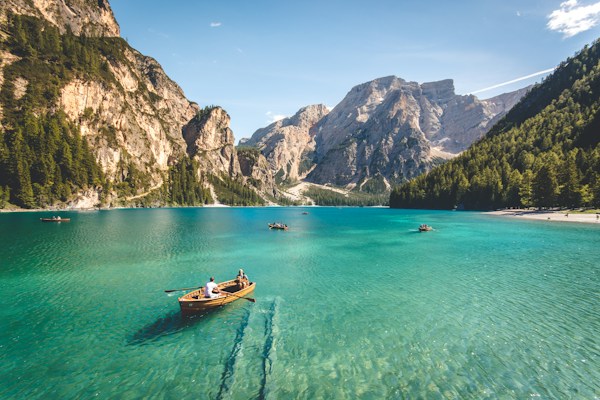
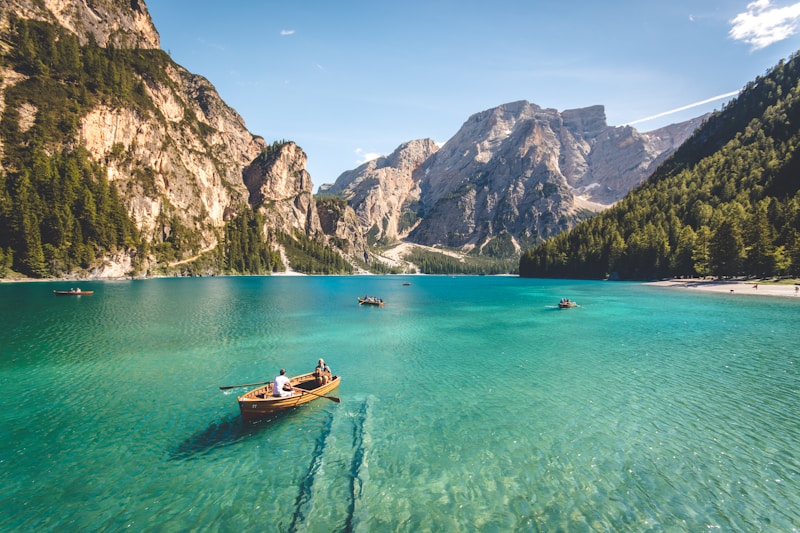
The Dolomites are unlike any other mountain range on Earth. These jagged limestone peaks rise vertically from green alpine meadows, creating a landscape so dramatic and unique that UNESCO designated the entire range a World Heritage Site. With over 1,000 kilometers of marked trails, 40+ via ferrata routes, and more than 40 mountain rifugi, the Dolomites offer world-class hiking for every ability level.
The Seceda Ridge hike is a classic - take the cable car up from Ortisei and walk the ridge with 360-degree views of jagged peaks in every direction. The Tre Cime di Lavaredo loop is arguably the most famous day hike in the Dolomites, circling three iconic 2,900-meter peaks. For multi-day trekkers, the Alta Via 1 traverses the entire range north to south over 12 days of hut-to-hut hiking. Pair a Dolomites trip with a few days in Venice, just two hours away, for a perfect mix of mountain and city.
2. Iceland
Iceland delivers otherworldly hiking through landscapes you would swear came from another planet. Black sand deserts, glowing rhyolite mountains, steaming geothermal areas, glaciers, waterfalls, and active volcanoes create a hiking experience found nowhere else in Europe. The country's relatively small size and excellent road infrastructure make it easy to access trailheads all around the island.
The Laugavegur Trail is Iceland's most famous multi-day trek, a 55-kilometer journey from Landmannalaugar to Thorsmork that traverses rainbow-colored mountains, black lava fields, and glacial valleys. Most hikers complete it in 3-4 days, staying in mountain huts along the way. For day hikes, don't miss the hike up Skogafoss waterfall, the trails around Skaftafell in Vatnajokull National Park, or the challenging but rewarding Fimmvorduhals trail. Our Iceland route guide covers the full Ring Road with hiking highlights.
3. The Swiss Alps
Switzerland sets the gold standard for hiking infrastructure. Over 65,000 kilometers of well-maintained trails crisscross the country, cable cars and cogwheel trains whisk hikers to high alpine trailheads, and the mountain hut system (Berghutte) is second to none. The scenery is pure postcard material: turquoise lakes, glaciers, wildflower meadows, and iconic 4,000-meter peaks like the Matterhorn and Eiger.
The Eiger Trail, running below the infamous Eiger North Face, is one of the most thrilling walks in the Alps. The Five Lakes Walk near Zermatt offers multiple classic views of the Matterhorn reflected in alpine lakes. For serious trekkers, the Walker's Haute Route connects Chamonix in France to Zermatt in Switzerland over 12 days of spectacular alpine scenery. Explore our Switzerland travel guide for more alpine inspiration.
4. Triglav National Park, Slovenia
Slovenia's only national park is one of Europe's best-kept hiking secrets. Centered on 2,864-meter Mount Triglav, the country's highest peak, the park features turquoise alpine lakes, waterfalls, deep gorges, and over 2,000 kilometers of marked trails. What truly sets Slovenia apart is the value - mountain huts charge a fraction of what you would pay in the Alps, trails are quieter, and the scenery is just as impressive.
The hike up Mount Triglav via the Prag Route is a Slovenian rite of passage - it's a challenging but doable day hike with some scrambling sections. The Seven Lakes Valley trail visits a series of glacial lakes with the dramatic north face of Triglav as a backdrop. For a more relaxed experience, walk around Lake Bohinj or hike to the Savica Waterfall. Base yourself in Ljubljana, just an hour from the park, for easy day trips.
5. Scottish Highlands, United Kingdom
The Scottish Highlands offer wild, untamed hiking through dramatic glens, along sparkling lochs, and up rugged Munros (mountains over 3,000 feet). What Scotland lacks in height it makes up for in atmosphere - brooding mountains, misty valleys, and the constant presence of history. The hiking here feels genuinely wild, with fewer marked trails and more freedom to roam thanks to Scotland's right-to-roam laws.
The West Highland Way is Scotland's most famous long-distance trail, stretching 154 kilometers from Milngavie near Glasgow to Fort William at the foot of Ben Nevis. Most people walk it in 5-7 days, staying in pubs and bunkhouses along the way. The Isle of Skye is another hiking highlight, with the Old Man of Storr, the Quiraing, and the Cuillin Hills offering world-class day hikes. Start your trip in Edinburgh, the perfect gateway to the Highlands.

6. The Pyrenees
Stretching 430 kilometers between Spain and France, the Pyrenees offer excellent hiking with fewer crowds than the Alps. The range has a distinctly different character - greener, with rolling ridges, deep canyons, and dramatic cirques. The hiking season is slightly shorter than the Alps due to heavier winter snowfall, but the trails are well-marked and the mountain refuges are welcoming and affordable.
The GR11 is the classic long-distance trail, running the entire length of the Pyrenees on the Spanish side from the Atlantic to the Mediterranean. Most hikers tackle sections rather than the full 840-kilometer route. The Cirque de Gavarnie on the French side is a highlight - a massive natural amphitheater ringed by 3,000-meter peaks with Europe's tallest waterfall. Barcelona makes a great starting point for exploring the eastern Pyrenees.
7. The Lake District, England
England's Lake District National Park is a compact but stunning hiking destination where glacier-carved valleys radiate out from central mountain groups, each cradling a beautiful lake. The area inspired William Wordsworth and Beatrix Potter, and today it draws walkers from around the world with its accessible fells, charming stone villages, and cozy pubs serving hearty food and real ale.
Scafell Pike, England's highest mountain at 978 meters, is the big objective for many hikers. The classic route up from Wasdale Head is challenging but rewarding. For something more moderate, try the Cat Bells walk above Derwentwater or the walk around Tarn Hows. The Coast to Coast Walk, devised by Alfred Wainwright, crosses the Lake District and the Yorkshire Dales over 192 miles. You can reach the Lake District by train from London in about 3.5 hours.
8. Norway's Fjords
Norway's fjord region offers some of the most spectacular hiking scenery in Europe, with deep blue fjords cutting between steep mountainsides and glaciers tumbling down to the water. The iconic hikes at Trolltunga (Troll's Tongue), Preikestolen (Pulpit Rock), and Kjeragbolten draw hikers from around the world, and for good reason - the views are genuinely jaw-dropping.
Preikestolen is the most accessible of the three, a 2-3 hour round-trip hike to a flat cliff top 604 meters above the Lysefjord. Trolltunga is more challenging - a full day of hiking (10-12 hours round-trip) with significant elevation gain, but the reward is standing on a horizontal rock ledge sticking 700 meters out above Ringedalsvatnet lake. The fjord region is also perfect for combining hiking with kayaking and cycling. Fly into Oslo and take the scenic train to the fjords.
9. The Azores, Portugal
The Azores, a remote Portuguese archipelago in the middle of the Atlantic Ocean, is a rising star on the European hiking scene. These nine volcanic islands feature a unique combination of crater lakes, hot springs, lush green pastures, and dramatic sea cliffs. The hiking is varied, from coastal paths to crater rim walks and summit hikes on active volcanoes.
Sao Miguel, the largest island, has the most developed hiking network. The Sete Cidades crater rim walk offers views of twin lakes inside a massive volcanic caldera. The hike up Pico do Varao passes through hot springs and fumaroles. On Pico island, you can climb Mount Pico, Portugal's highest mountain at 2,351 meters, for sunrise views over the Atlantic. Flights from Lisbon to the Azores take about 2.5 hours, making this an easy add-on to a Portugal trip.
10. Rila and Pirin Mountains, Bulgaria
Bulgaria's Rila and Pirin mountain ranges offer outstanding alpine hiking at a fraction of the cost of Western European destinations. The Rila Mountains feature the highest peak in the Balkans (Musala, 2,925m), the famous Seven Rila Lakes, and a network of well-maintained mountain huts. The Pirin Mountains have jagged limestone peaks reminiscent of the Dolomites, glacial lakes, and beautiful pine forests.
The Seven Rila Lakes hike is the most popular trail in Bulgaria, a 10-kilometer walk visiting a series of glacial lakes in a dramatic cirque below Mount Musala. The hut-to-hut trails in the Pirin Mountains offer multi-day trekking with stunning mountain scenery and very few crowds. Both ranges are easily accessible from Sofia, which is just a 1.5-hour drive from the Rila Mountains. Base yourself in Sofia for day hikes or multi-day treks into both mountain ranges.
How to Plan Your European Hiking Trip
Choosing the Right Season
Timing is everything when planning a hiking trip to Europe. The main hiking season runs from June through September in most mountain areas, but there are worthwhile options year-round. Spring (May-June) brings wildflowers and waterfalls but also lingering snow at higher elevations. Summer (July-August) offers the best weather and longest days but also the biggest crowds and highest prices. Fall (September-October) brings golden colors, thinner crowds, and cooler temperatures - our favorite time to hike. Winter hiking and snowshoeing are possible at lower elevations and in designated winter trail areas.
Packing Essentials
Regardless of where you hike in Europe, always carry the 10 essentials: navigation (map and compass or GPS), headlamp, sun protection, first-aid kit, knife, fire starter, emergency shelter, extra food, extra water, and extra clothes. Weather in the mountains can change rapidly - we have gone from sunny and warm to hailing in under 30 minutes on multiple occasions. Layering is key, and a waterproof, windproof jacket is non-negotiable even on clear days.
Mountain Hut Etiquette
Mountain huts are a quintessential part of European hiking culture. Most operate on a first-come, first-served basis during peak season, so arrive early or book ahead when possible. Dorm-style sleeping is standard - bring a silk sleeping bag liner for hygiene. Dinner is usually served family-style at a set time, and breakfast is included with your stay. Huts typically serve hearty traditional food - think polenta, stews, pasta, and local sausages. Always greet other hikers with a friendly "buongiorno," "bonjour," "guten tag," or the local equivalent.
Final Thoughts
Europe's hiking diversity is unmatched. You can trek across volcanic wastelands in Iceland one week, hike jagged limestone spires in the Dolomites the next, and finish with a coastal walk along the Portuguese coast - all within a few hours of each other by plane. The trail infrastructure is excellent, the mountain huts are welcoming, and the scenery never disappoints.
The best piece of advice we can give is to go. Pick one destination from this list, lace up your boots, and get on the trail. You do not need to be an elite athlete to enjoy European hiking. There are incredible trails for every fitness level, from easy lakeside walks to multi-day alpine traverses. The mountains are waiting.