Food is the universal language. No matter where you go in the world, sharing a meal with someone breaks down barriers and creates lasting memories. For serious foodies, travel isn't just about seeing sights - it's about tasting the culture, one bite at a time.
After years of eating our way across 50+ countries, we've narrowed down the 10 absolute best food travel destinations on the planet. These are the cities where the food isn't just good - it's transformative. Where you'll eat things that permanently change your standards for what food can be. From humble street food to three-Michelin-starred temples of gastronomy, these cities have it all.
The 10 Best Food Destinations in the World
Tokyo, Japan
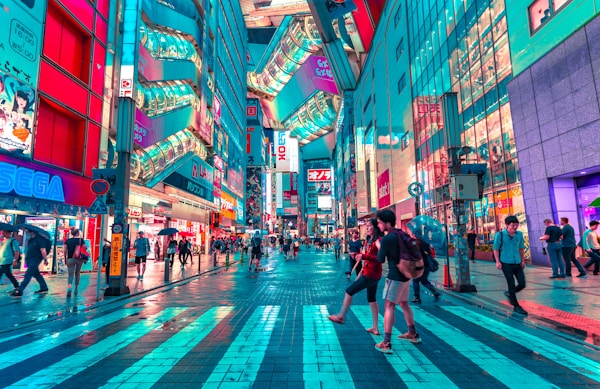
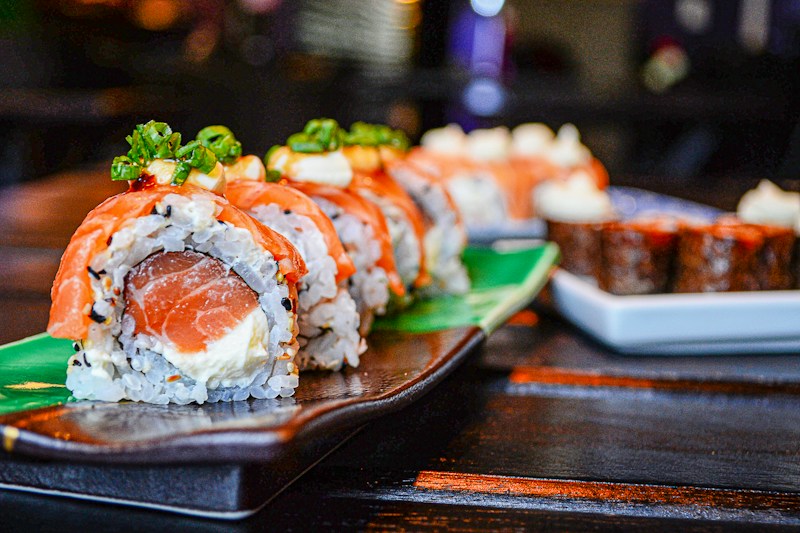
Tokyo is the undisputed heavyweight champion of the food world. With more Michelin-starred restaurants than any other city (over 200 and counting), you'd expect fine dining to be the draw. And it is - there are sushi counters where the chef has been perfecting their craft for 50+ years, kaiseki meals that are as much art as food, and tempura restaurants where each piece is a masterclass in precision. But what makes Tokyo truly extraordinary is how good the food is at every price point. You can eat incredible ramen from a street stall for $8, pick up fresh sushi from a department store basement for $12, or splurge on a once-in-a-lifetime omakase experience. The Tsukiji Outer Market is a food lover's paradise, and the izakaya (pub) culture makes late-night eating an art form. Don't leave without trying conveyor belt sushi - it's way better than it sounds. Plan your culinary adventure with our Tokyo travel guide.
Bangkok, Thailand
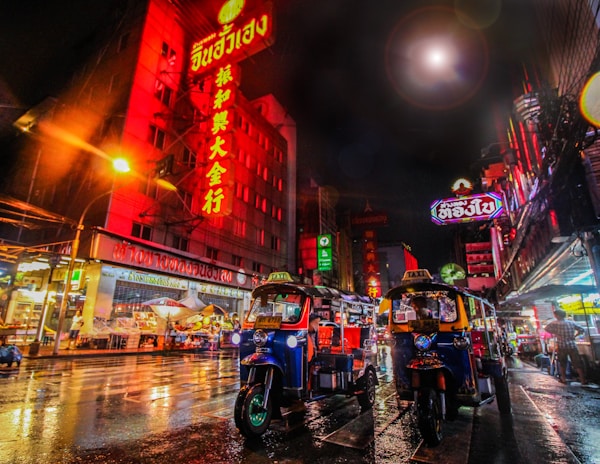
Bangkok is the street food capital of the world. You can walk down almost any street and find a dozen vendors selling fresh, flavorful, incredibly cheap food. Pad thai sizzling on woks, fragrant green curries, sour-spicy som tam (papaya salad), grilled meats on skewers, and mango sticky rice that will change your life. The best part? Most dishes cost between $1 and $3. The street food culture here is serious business - many vendors have been perfecting the same recipe for generations. Don't miss Chinatown (Yaowarat) for incredible seafood and dim sum, or the floating markets just outside the city. Take a cooking class to learn the secrets of Thai cuisine - most classes include a market tour where you'll learn about ingredients you've never heard of. High-end dining is catching up too, with several Michelin-starred restaurants now gracing the city. Explore the food scene with our Bangkok travel guide.
Mexico City, Mexico
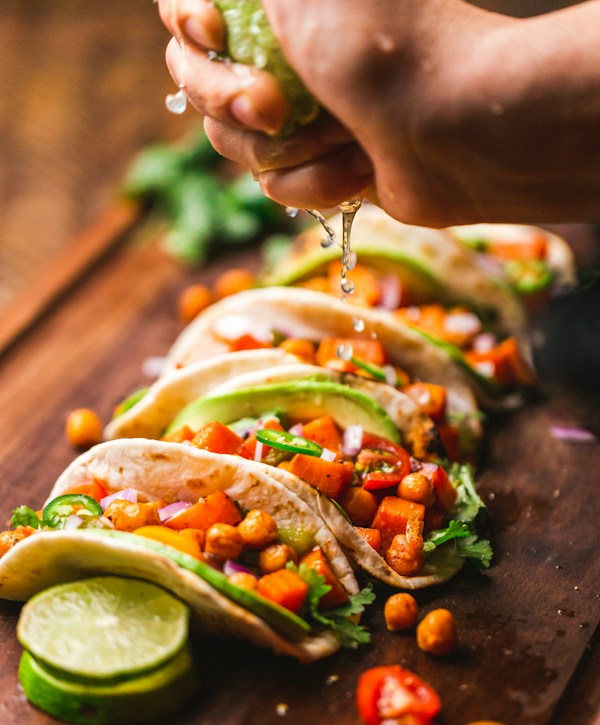
Mexico City is a food lover's dream. The taco culture alone is worth the trip - al pastor (marinated pork carved from a vertical spit), carnitas, barbacoa, and fish tacos from street vendors and markets are some of the best things you'll ever eat, often for less than $2 each. But CDMX (as locals call it) is far more than tacos. The city has become a global fine dining destination, with Pujol and Quintonil regularly ranking among the world's best restaurants. The markets are extraordinary: Mercado de San Juan is a foodie paradise with everything from grasshoppers to fresh truffles, and Mercado Roma is a hip food hall with artisanal vendors. Don't skip churros con chocolate from a historic churreria, or mezcal tastings in the Roma and Condesa neighborhoods. Get ready to eat. A lot. Start planning with our Mexico City guide.
Rome, Italy
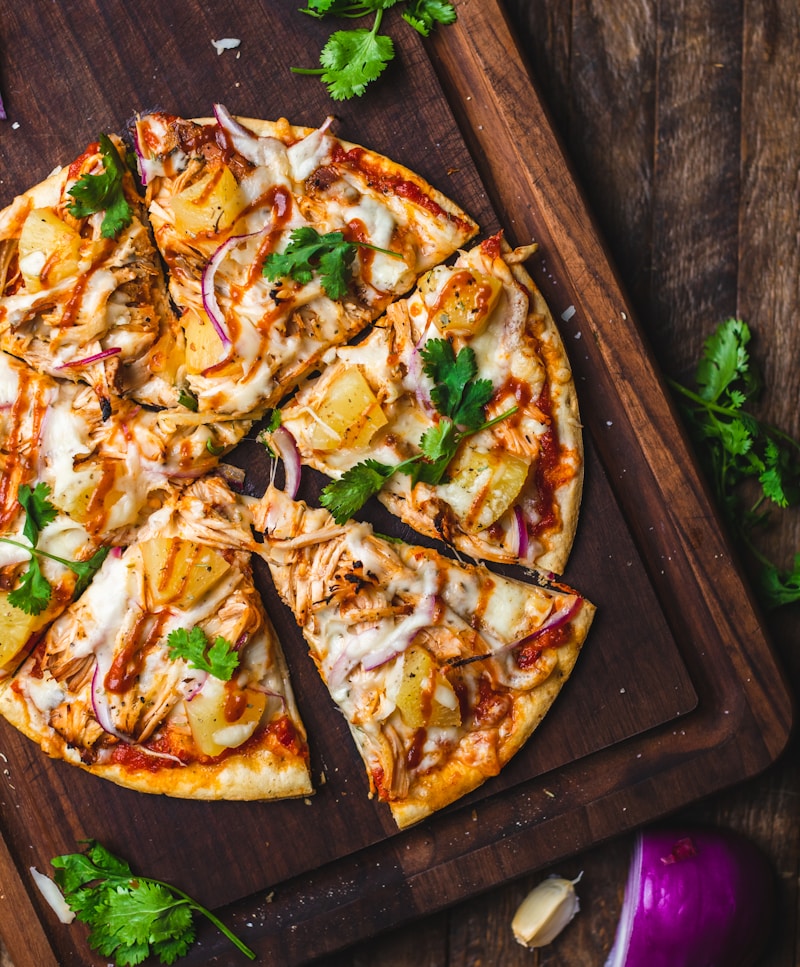
Italian food is the most beloved cuisine on the planet, and Rome is its spiritual heart. The city has perfected a handful of pasta dishes - carbonara, cacio e pepe, amatriciana, gricia - to such a high degree that eating them anywhere else afterward feels like a disappointment. The trick to great Roman food is simplicity: the best dishes use just 3-5 high-quality ingredients, prepared with technique that's been passed down for generations. Pizza al taglio (Roman-style pizza by the slice) is a cheap, delicious meal for a few euros. Coffee culture is serious here - stand at the bar for your espresso like a local and pay a fraction of the price. Don't miss suppli (fried rice balls), artichokes in the Jewish Ghetto, and gelato (look for gelaterias that make it fresh daily). Rome is also the gateway to Tuscany and Naples - the birthplace of pizza. See our Rome itinerary and Florence guide for more.
Marrakech, Morocco
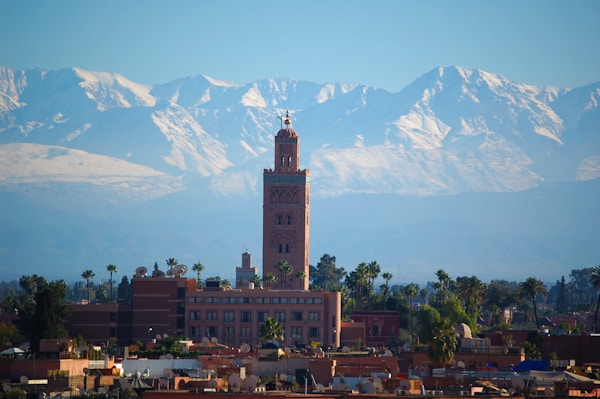
Marrakech is a feast for all the senses, and the food is the star of the show. The medina's souks are filled with the intoxicating aroma of spices - cumin, coriander, saffron, ginger, and ras el hanout (a blend of up to 30 spices). Tagines - slow-cooked stews named for their conical clay pots - come in endless varieties: lamb with prunes, chicken with lemons and olives, vegetable tagines with honey. Street food in Jemaa el-Fnaa square at night is an unforgettable experience - rows of food stalls with grills sizzling, mint tea being poured from great heights, and storytellers and musicians entertaining the crowds. Take a cooking class with a local family to learn how to make traditional Moroccan dishes, and don't leave without trying pastilla (a sweet-savory pigeon pie with almonds and cinnamon). For more Moroccan food, check out our Marrakech travel guide and Morocco itinerary.
Barcelona, Spain
Barcelona has one of the world's great food scenes, and it's incredibly accessible. Tapas culture means you can try a dozen different dishes in a single meal without breaking the bank. Start at La Boqueria market - a covered market with stalls selling everything from jamon iberico and fresh seafood to fruit juices and empanadas. Then do a tapas crawl through El Born or the Gothic Quarter, ordering patatas bravas, pan con tomate, jamon, gambas al ajillo, and croquetas at different bars. Paella originated in Valencia, but you can find excellent versions in Barcelona too - just make sure it's made with bomba rice and socarrat (the crispy bottom layer). The city also has multiple 3-Michelin-star restaurants, including the legendary elBulli's successor, Disfrutar. And don't forget about cava and Spanish wine - they pair perfectly with everything. Read our Barcelona food guide for the full scoop.
Istanbul, Turkey
Istanbul sits at the crossroads of Europe and Asia, and its food reflects that incredible cultural fusion. Ottoman cuisine has influenced everything from Greek meze to Middle Eastern kebabs, and nowhere is it better than in Istanbul. Start with a Turkish breakfast (kahvalti) - a lavish spread of cheeses, olives, bread, eggs, honey, jam, and tea that will fuel you for hours. Then explore the street food: simit (sesame bread rings), balik ekmek (fish sandwich), doner kebab, and borek (savory pastry). The meze culture is outstanding - order a spread of small plates with raki (anise-flavored spirit) at a meyhane (tavern) for the full experience. Don't miss baklava and Turkish delight for dessert, and end every meal with Turkish coffee or apple tea. The Spice Bazaar is a sensory overload of colors and aromas. Explore this food paradise with our Istanbul travel guide.
Lima, Peru
Lima has exploded onto the global food scene in the past decade, and it's now widely considered the culinary capital of South America. The city has two restaurants regularly ranked in the World's 50 Best (Central and Maido), and the food quality at every level is outstanding. Ceviche is the star - fresh raw fish cured in lime juice with aji peppers, onions, and cilantro, served with corn and sweet potato. But Lima is far more than ceviche. The city's Chinese-Peruvian fusion cuisine (called chifa) is incredible, and Nikkei (Japanese-Peruvian fusion) is what put Maido on the map. Try anticuchos (marinated grilled beef heart), lomo saltado (stir-fried beef with rice and fries), and causa (layered potato dish with seafood or chicken). The coastal location means seafood is incredibly fresh and cheap. Take a ceviche-making class or do a food tour of the Barranco and Miraflores neighborhoods.
Paris, France
Paris invented the idea of fine dining, and it still does it better than almost anywhere. The city has dozens of Michelin-starred restaurants, from Alain Ducasse at the Plaza Athenee to the culinary temples of the 1st arrondissement. But what makes Paris a truly great food city is the everyday stuff. The buttery croissants and pain au chocolat from a neighborhood boulangerie, the charcuterie and cheese from a fromagerie, the steak frites at a classic bistro, the crepes from a street vendor. The French approach food with reverence, and it shows. Don't skip a trip to a patisserie for macarons, eclairs, and tarts. The best food markets - March des Enfants Rouges and March Bastille - are worth waking up early for. And yes, you should absolutely do a wine and cheese tasting. Plan your gastronomic journey with our Paris travel guide.
Hanoi, Vietnam
Hanoi is Vietnam's culinary capital, a city where street food is taken as seriously as fine dining. Start with pho - the iconic Vietnamese noodle soup with fragrant broth, rice noodles, herbs, and meat. Pho 10 and Pho Thin Bo Ho are legendary institutions that have been serving perfect bowls for decades. But Hanoi is about far more than pho. Try bun cha (grilled pork with rice noodles and herbs - Obama famously ate here with Anthony Bourdain), banh mi (Vietnamese sandwich), egg coffee (a Hanoi specialty), and nem cua be (crab spring rolls). The street food in the Old Quarter is some of the best and cheapest in the world - you can eat like a king for $5 a day. Take a street food tour to navigate the maze of alleys and find the best vendors. For southern Vietnamese food, check out our Ho Chi Minh City guide. And don't miss our Hanoi travel guide for foodie tips.
How to Plan a Food-Focused Trip
Research Before You Go
Before you land, make a list of must-try dishes and iconic restaurants. Book any high-end or extremely popular spots 2-3 months in advance - Michelin-starred restaurants in Tokyo and top taco stands in Mexico City fill up fast. But leave plenty of room for spontaneity. Some of the best meals happen when you stumble on a random street stall or a neighborhood restaurant full of locals.
Take a Cooking Class
Cooking classes are one of the best ways to deeply experience a food culture. They usually include a market tour where you'll learn about unfamiliar ingredients, and you'll get hands-on experience making classic dishes. Plus, you get to eat what you make. Look for classes taught by local families rather than big tourist operations for a more authentic experience.
Eat Where Locals Eat
The golden rule of food travel: if a restaurant is full of tourists, it's probably not the best food nearby. Walk a few blocks away from major tourist attractions and look for places where locals are eating. A crowded restaurant with a menu in the local language and no English signs is usually a very good sign. Learn a few key phrases in the local language - "delicious" and "thank you" will get you everywhere.
Hit the Markets
Food markets are the beating heart of any city's food scene. They're where you'll find the freshest ingredients, the best street food, and the most local color. From La Boqueria in Barcelona to Tsukiji Outer Market in Tokyo to Mercado de San Juan in Mexico City, markets offer a taste of everything a destination has to offer, all in one place. Go early for the best selection and freshest produce.
Final Thoughts
Food is more than sustenance when you travel - it's a window into a culture's history, geography, and values. A bowl of pho in Hanoi tells you about Vietnam's French colonial past and its agricultural abundance. A taco al pastor in Mexico City connects you to the indigenous and Lebanese immigrants who shaped the city. A sushi meal in Tokyo reveals a culture that values precision, seasonality, and respect for ingredients.
The best food travel isn't about checking off dishes or chasing Michelin stars. It's about being open to new flavors, eating where locals eat, and taking the time to truly savor each meal. Whether you're spending $2 on street food in Bangkok or $300 on a kaiseki in Kyoto, what matters is the experience. So go hungry, stay curious, and don't be afraid to try something you've never heard of. That's where the magic happens.