Hi, I'm Carlos. I was born in Ruzafa and have spent my life exploring every corner of Valencia, from the rice fields of Albufera to the Turia riverbed park. This guide was last updated in August 2026.
Food Note: Genuine paella valenciana is made with rabbit, chicken, butter beans, and saffron, not seafood. Ordering paella for dinner is considered unusual by locals, who traditionally eat it at lunch. Restaurants that offer paella for dinner are catering to tourists.
Why This Journey is Extraordinary
Futuristic Architecture
Walk among eight Calatrava and Candela structures rising from a former riverbed in the City of Arts and Sciences
Paella Birthplace
Visit El Palmar village in Albufera, where paella was invented, and eat it where the rice is grown
2,000 Years of History
From Roman foundations to the Holy Grail in Valencia Cathedral and the UNESCO Silk Exchange
Mediterranean Lifestyle
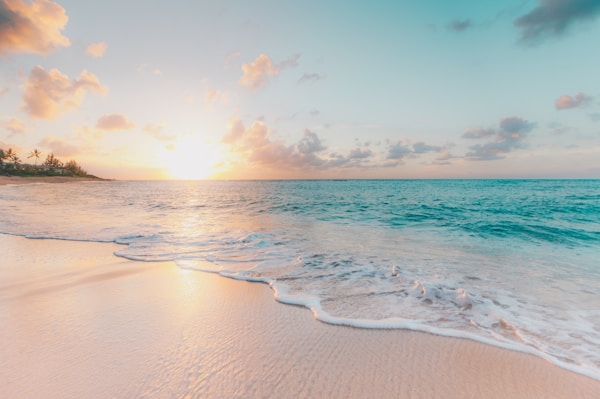
Year-round sunshine, 9 kilometers of park in a former riverbed, and golden city beaches
Daily Journey Inspiration
Historic Center & Cathedral
Roman roots and the Holy Grail
City of Arts and Sciences
Calatrava's architectural masterpiece
Turia Park & Medieval Towers
A riverbed turned into a 9-kilometer park
Albufera & El Palmar: Paella Pilgrimage
Where paella was born
Ruzafa District & Beach
Trendy neighborhoods and Mediterranean sand
Fallas Museum & Palau de les Arts
Fire festivals and opera
Final Tastes & Departure
Last bites and reflections
Valencia Gallery



Practical Tips
Getting There
Fly into Valencia Airport (VLC), 8 km west of the city. Metro lines 3 and 5 reach the center in 20 minutes for 5 EUR. Alternatively, take the high-speed AVE train from Madrid in 95 minutes.
Transportation
Valencia is compact and walkable. Use the metro and tram network for beaches and suburbs. Buy a SUMA 10-trip card for 10 EUR. Biking the Turia park is the best way to cross the city.
Visa Requirements
Spain is in the Schengen Area. EU citizens need only an ID card. Non-EU citizens may need a Schengen visa valid for 90 days within a 180-day period.
Budget Tips
Valencia is significantly cheaper than Madrid or Barcelona. A menu del día lunch costs 10-12 EUR. Eat paella at lunch, not dinner, for better quality and lower prices. Many museums are free on Sundays.
What to Pack
Light clothing for warm weather, comfortable walking shoes, swimwear for the beach, and a light jacket for spring and fall evenings. Sunscreen is essential from April to October.
Best Time to Visit
March for the Fallas festival, the city's biggest event. May-June or September-October for warm beach weather without extreme heat. July and August can reach 35 degrees Celsius. Year-round sunshine makes any season pleasant.
Traveler Reviews

Lisa M.
Chicago, IL | June 2026
The City of Arts and Sciences absolutely lived up to the hype. Walking through the Oceanogràfic and seeing beluga whales glide overhead in the underwater tunnel was surreal. The whole complex looks like something from another planet, especially at sunset when everything reflects in the water.

Robert K.
Edinburgh, UK | May 2026
The day trip to El Palmar was the highlight of our trip. Taking that little wooden boat across the Albufera lagoon at sunset was magical. Then eating paella at Casa Ángel, cooked over a real wood fire, changed my entire understanding of what paella is supposed to taste like. I will never order it at a tourist restaurant again.

Anna S.
Munich, Germany | September 2026
Cycling the Turia riverbed park every morning became our daily ritual. Nine kilometers of car-free green space running through the city center is such a brilliant use of a former river. We rented bikes for 10 euros a day and rode from the Serranos Towers to the City of Arts and Sciences in about 20 minutes.

Michael D.
Boston, MA | March 2026
We came specifically for Fallas and it was the craziest, most exhilarating experience of my life. The noise, the fireworks at 2am, the massive papier-mâché sculptures on every corner, and then watching them all burn on the last night was overwhelming in the best way. The Fallas Museum beforehand gave us so much context. Book your hotel six months ahead, we almost did not get a room.

Yuki T.
Tokyo, Japan | October 2026
The Holy Grail in Valencia Cathedral caught me completely off guard. I had no idea the actual chalice from the Last Supper was here, verified by the Pope himself. The cathedral itself is gorgeous with its mix of Gothic and Baroque. Climbing the Miguelete tower was exhausting but the view over the old city with all those terracotta rooftops was worth every one of those 207 steps.

Sofia R.
Stockholm, Sweden | July 2026
Ruzafa was my favorite neighborhood. The vintage shops, the street art, the cafés, it reminded me of a smaller, more authentic version of Barcelona's El Born. Ubik Café became my daily spot. And the horchata at Horchatería Santa Catalina with fartons for dipping was the most delicious afternoon snack I had all week.

Daniel W.
Portland, OR | April 2026
La Lonja de la Seda was the architectural surprise of the trip. Those twisted stone columns in the merchant hall are unlike anything I have seen, and the grotesque faces carved into the ceiling are bizarre and fascinating. The Central Market next door is a food lover's paradise, we bought jamón and saffron to take home.

Emma J.
Brisbane, Australia | August 2026
Dinner at La Pepica on Malvarrosa Beach was everything. Knowing Hemingway ate paella at the same restaurant made it feel special. The seafood paella was perfect, crispy socarrat on the bottom. We watched the sun set over the Mediterranean while we ate. Valencia is so much more relaxed than Barcelona, half the crowds and twice the charm.
You Might Also Like

Barcelona: Gaud Dreams & Mediterranean Sun
Explore Gaud's architectural wonders and Catalan traditions on this unforgettable Barcelona adventur...
Madrid Spanish Adventure
Explore Madrid's museums and lively atmosphere on this unforgettable Spanish adventure....
Albania: The Last Secret of Europe
Explore Albania's hidden treasures - ancient ruins, Ottoman towns, mountain villages, and pristine b...
Amsterdam Canal Adventure
Explore Amsterdam's canals and museums on this unforgettable Dutch adventure....