Hi, I'm Maya. I have lived in Tel Aviv for eight years and have biked every street from the beachfront to the outskirts of Jaffa. This guide was last updated in September 2026.
Tipping Note: In Israel, a 10-15% tip is standard in restaurants and is usually added to the bill automatically (check for "shirayim" or service charge). If service was great, round up or add a little extra in cash. Taxi fares are typically rounded up, and hotel staff appreciate 10-20 ILS per bag.
Why This Journey is Extraordinary
Beach Lifestyle
Start every morning with a Mediterranean swim on 8 miles of golden sand beaches
Bauhaus White City
Wander the world's largest collection of Bauhaus architecture, a UNESCO treasure
Foodie Paradise
Devour hummus, falafel, shakshuka, and fresh Mediterranean flavors at every turn
24/7 Nightlife
Experience legendary clubs, rooftop bars, and the city that genuinely never sleeps
Daily Journey Inspiration
White City & Rothschild Boulevard
Bauhaus architecture and the birthplace of modern Tel Aviv
Jaffa Old City & Port
Ancient port, flea markets, and thousands of years of history
Beach Day & Promenade
Mediterranean sun, surf, and the iconic Tel Aviv beach culture
Day Trip to Jerusalem
The Old City, sacred sites, and thousands of years of history
Florentin & Neve Tzedek
Street art, bohemian neighborhoods, and cafe culture
Israeli Food Experience
Markets, hummus, falafel, shakshuka, and wine
Museums & Nightlife
Art, culture, and a final night on the town
Practical Tips
Money & Currency
The Israeli shekel (ILS) is the local currency. 1 USD = roughly 3.7 ILS. Credit cards are accepted almost everywhere. ATMs are widely available. Avoid exchanging money at the airport - rates are terrible.
Transportation
Use the Rav-Kav card or app for buses and the light rail. Tel-O-Fun bike share costs 17 ILS ($4.60 USD) per day. Use Gett or Uber for taxis - never hail one on the street.
Safety & Security
Tel Aviv is generally safe but check travel advisories before you go. There is a heavy security presence. Be aware of your surroundings, keep valuables secure, and avoid large demonstrations.
Food & Drink
Tap water is safe to drink. Israeli food is generally fresh and safe to eat, including street food. Kosher restaurants close on Shabbat. Vegetarian and vegan options are plentiful - Tel Aviv is one of the most vegan-friendly cities in the world.
Language
Hebrew is the official language, but almost everyone in Tel Aviv speaks English fluently. You will have no trouble getting around with just English. Arabic is also spoken in Jaffa and by many Arab Israelis.
Shabbat & Holidays
Most businesses close from Friday afternoon to Saturday evening. Public transport stops. Many restaurants in tourist areas stay open. The beach is always open and crowded on Saturdays. Plan ahead for travel and grocery shopping.
Common Mistakes to Avoid
Not Planning for Shabbat Closures
Many first-time visitors are caught off guard when everything shuts down from Friday afternoon to Saturday evening. Buses stop running, supermarkets close, and even many restaurants shut their doors. Always plan your arrival and departure days accordingly, and stock up on snacks and water before Shabbat starts. Tel Aviv is more secular than Jerusalem, but you still need to plan ahead.
Overbooking Day Trips
It is tempting to try to see Jerusalem, the Dead Sea, Haifa, Akko, and Nazareth all in one week, but you will exhaust yourself and not really experience Tel Aviv. The city is meant to be enjoyed at a slow pace - beach days, long lunches, cafe mornings, and late nights. Pick one or two day trips max and spend the rest of your time actually living like a Tel Avivian.
Underestimating the Heat
From June through September, Tel Aviv gets hot - really hot, with humidity that makes 90F feel like 100F. Do not plan long walks in the midday sun. Schedule your outdoor activities for morning and evening, and take a long siesta or beach break in the afternoon. Always carry water and wear sunscreen. Heat exhaustion is real and can ruin your trip.
Confusing Tel Aviv with Jerusalem
Tel Aviv and Jerusalem are only an hour apart but feel like different countries. Tel Aviv is secular, laid-back, beach-focused, and modern. Jerusalem is religious, historic, conservative, and intense. Do not come to Tel Aviv expecting a deeply spiritual or religious experience - and do not go to Jerusalem expecting nightlife and beaches. Each city has its own vibe and deserves its own trip.
Tel Aviv Gallery



Traveler Reviews

Jessica M.
Los Angeles, CA | May 2026
Tel Aviv completely exceeded my expectations. The beach culture is unreal - I started every day with a swim at Gordon Beach and then yoga on the sand. The Bauhaus architecture was way more interesting than I thought it would be, and the White City walking tour was genuinely fascinating. But the food, oh my god the food. I ate hummus every single day and never got tired of it. Abu Hassan in Jaffa was worth the 45-minute wait.

Daniel K.
New York, NY | October 2025
The day trip to Jerusalem was a highlight but honestly I could have spent all seven days just in Tel Aviv. Florentin blew me away - the street art, the coffee shops, the vibe. It is like Brooklyn but with better weather and beaches. The nightlife is insane, we went out on a Tuesday and the bars were packed until 3am. And everyone speaks English so there is zero language barrier. I am already planning my next trip back.

Sophie L.
London, UK | April 2026
Jaffa was my favorite part of the whole trip. The flea market on Friday morning was chaotic and magical - I found vintage posters, old cameras, and the best hummus I have ever had. The Old City is beautiful with those stone alleyways and sea views. Neve Tzedek was so cute too, like a little village inside the city. And the sunset from Jaffa Port looking back at Tel Aviv - absolutely breathtaking. The Tel-O-Fun bikes made getting around so easy and fun.
Frequently Asked Questions
Q: What is the best time of year to visit Tel Aviv?
The best time to visit Tel Aviv is from April to June and September to October, when temperatures are pleasant (70-85F / 21-29C), the Mediterranean is warm enough for swimming, and crowds are thinner than peak summer. Spring brings blooming flowers and perfect beach weather before the real heat sets in. Fall has warm sea temperatures well into October and fewer tourists. July and August are hot and humid (85-95F / 29-35C) with peak crowds and higher hotel prices, though the beaches are at their most lively. Winter (December-February) is mild (55-65F / 13-18C) and rainy, with lower hotel prices, but beach days are hit-or-miss.
Q: How many days do I need for a trip to Tel Aviv?
Plan 4 to 7 days for a first visit to Tel Aviv. With 4 days, you can explore the White City and Rothschild Boulevard, wander Jaffa Old City, spend a day at the beach, wander Florentin and Neve Tzedek, and experience the nightlife. Five to seven days lets you add a day trip to Jerusalem (under an hour by train), dive deeper into the food scene at Carmel Market, visit museums, and really soak up the beach lifestyle. Tel Aviv is a city best experienced at a relaxed pace - it is about cafe culture, long beach days, and late nights. Rushing from sight to sight misses the point. Add extra days if you want day trips to Jerusalem, the Dead Sea, Haifa, or Nazareth.
Q: What is the best way to get around Tel Aviv?
Tel Aviv is flat and very walkable - most central neighborhoods are within 20-30 minutes of each other on foot. The city also has an excellent bike-sharing system called Tel-O-Fun, with hundreds of stations across the city; a daily pass costs 17 ILS ($4.60 USD). Buses are the main form of public transit and cover the city well, with a single ride costing 5.90 ILS ($1.60 USD) paid via the Rav-Kav card or app. There is no metro yet, but the Red Line light rail connects central Tel Aviv to Jaffa and Bat Yam. Taxis are readily available but expensive - use Gett or Uber apps rather than hailing on the street. The beachfront promenade runs the length of the city and is perfect for walking, jogging, or biking.
Q: How much does a trip to Tel Aviv cost?
Tel Aviv is one of the more expensive cities in the Middle East, comparable to mid-range European cities. Budget travelers can get by on $80-$130 USD per day with a hostel or budget Airbnb, street food meals (a falafel pita costs 25-35 ILS / $6.75-$9.45 USD, hummus plate 40-60 ILS / $10.80-$16.20 USD), and walking or biking everywhere. Mid-range travelers should budget $150-$280 USD per day for a nice hotel, restaurant meals, attractions, and taxis. Luxury trips cost $350+ USD per day. Entrance to most museums costs 50-75 ILS ($13.50-$20.30 USD). Day trips to Jerusalem by train cost around 30 ILS ($8.10 USD) each way. To save money, stay in Florentin or Kerem Hatemanim rather than the beachfront, eat at hummus shops and falafel stands, and use Tel-O-Fun bikes instead of taxis.
Q: Is Tel Aviv safe for tourists?
Tel Aviv is generally very safe for tourists and is one of the safest major cities in the Middle East. The city has a heavy security presence and violent crime directed at tourists is rare. Petty theft is the main concern - keep an eye on your belongings at the beach, in crowded markets like Carmel Market, and on public transit. Pickpockets operate in busy areas. The political and security situation can change, so check your government's travel advisory before your trip and register with your embassy. Avoid demonstrations and large crowds if tensions are high. Be aware of your surroundings but do not let fear ruin your trip - Tel Avivians go about their daily lives normally. Jaffa is safe to visit during the day and evening, just stick to well-lit main streets at night. Use common sense as you would in any major city.
Q: What should I know about Shabbat in Tel Aviv?
Shabbat starts at sunset on Friday and ends at sunset on Saturday, and it affects daily life significantly in Tel Aviv, though less so than in Jerusalem. Most shops, supermarkets, and many restaurants close from Friday afternoon through Saturday evening, especially in more religious neighborhoods. Public buses and trains stop running from Friday afternoon until Saturday evening - plan accordingly if you need to travel. However, Tel Aviv is the most secular major city in Israel, so many restaurants in tourist areas, beachfront cafes, and bars do stay open on Shabbat, especially in areas like Rothschild Boulevard, Florentin, and the beach promenade. Taxis are available but more expensive on Shabbat. The beach is always open and packed on Saturdays - it is a beloved local tradition. If you arrive or depart on Shabbat, pre-book a taxi or use a ride-sharing app. Do not plan on grocery shopping or running errands on Saturday.
You Might Also Like
Jerusalem Old City Journey
Explore the Old City, Western Wall, and ancient history of Jerusalem, just an hour from Tel Aviv...
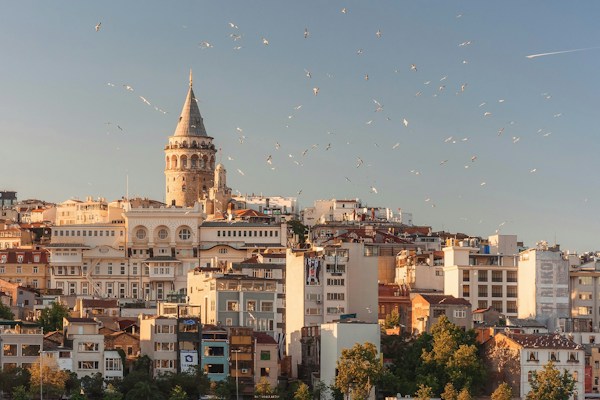
Istanbul: Crossroads of Continents
Discover the magic of Istanbul where Europe meets Asia, with mosques, bazaars, and Bosphorus views...
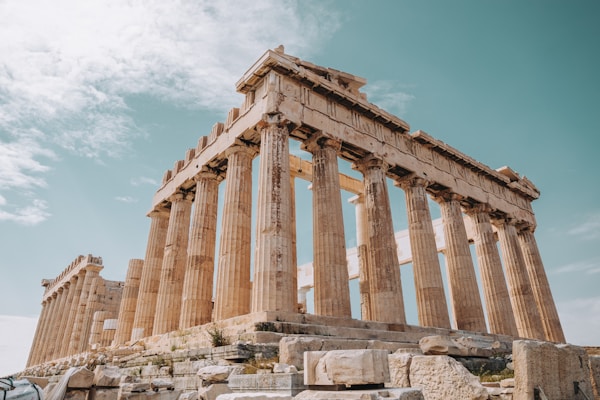
Athens: Ancient Greece & Islands
Explore the Acropolis, ancient ruins, and Mediterranean charm of the birthplace of democracy...
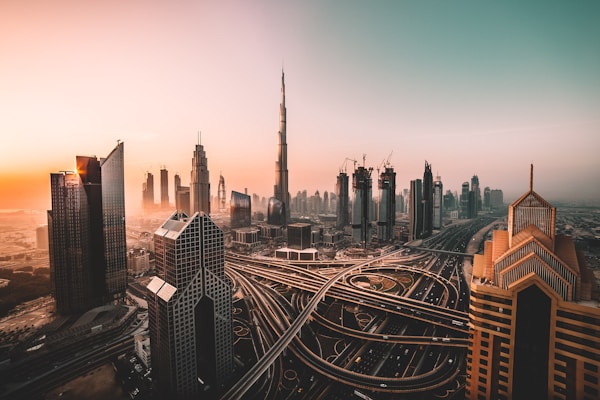
Dubai: Modern Desert Oasis
Experience futuristic skyscrapers, luxury shopping, and desert adventures in the UAE's most famous city...