Why This Route is Unprecedented
Medieval Krakw
Wander through Europe's largest medieval town square and discover the enchanting Old Town with its Renaissance cloth hall and Gothic cathedral
Underground Wonder
Descend 327 meters into the UNESCO-listed Wieliczka Salt Mine and explore chapels, lakes, and sculptures carved entirely from salt
Historical Reflection
Visit Auschwitz-Birkenau memorial for a solemn and educational experience honoring the memory of Holocaust victims
Resilient Warsaw
Witness the remarkable postwar reconstruction of the Old Town and learn about Poland's incredible spirit and resilience
Daily Itinerary
Arrival in Krakw
Explore Poland's cultural capital
Wieliczka Salt Mine
Descend into an underground wonder
Krakw & Wawel Castle
Discover the former royal capital
Auschwitz-Birkenau Memorial
A solemn journey through history
Train to Warsaw
Journey to Poland's capital city
Warsaw Cultural Immersion
Experience Poland's resilient capital
Departure from Warsaw
Final morning before your journey home
Practical Tips
Getting There
Fly into Krakw John Paul II Airport (KRK) or Warsaw Chopin Airport (WAW). Both have excellent connections to major European cities. Consider flying into one and out of the other for a more efficient itinerary.
Transportation
Poland's train network is efficient and affordable. Book PKP Intercity trains in advance for the best fares. For Auschwitz, guided tours from Krakw are recommended as they include reliable transportation and expert guides.
Visa Requirements
Poland is in the Schengen Area. EU citizens need only an ID card. US, Canadian, and UK citizens can enter visa-free for up to 90 days within a 180-day period with a valid passport.
Auschwitz Guidelines
Dress respectfully for the memorial. Comfortable walking shoes are essential as tours last 3-4 hours. Book official guided tours in advance, especially during peak season. Photography is allowed except in certain areas.
Currency & Costs
Poland uses the Polish Z?oty (PLN), though euros are sometimes accepted in tourist areas. Poland is significantly more affordable than Western Europeexpect to pay $10-20 USD for excellent meals and $50-80 for mid-range hotels.
Best Time to Visit
Late spring (May-June) and early fall (September-October) offer pleasant weather and smaller crowds. December brings magical Christmas markets. Avoid late July-August when major sites are crowded with European holiday-makers.
Inspiration Gallery


What Travelers Say

Brian Walsh
Denver, CO | March 2026
Auschwitz-Birkenau is a place everyone should visit once and never forget. The piles of shoes, the train tracks, the scale of Birkenau's ruins, it's devastating. We went with a guided tour from Krakow and our guide was respectful and informative. No photos inside some buildings, which is appropriate. Emotionally exhausting but necessary.

Amanda Foster
Portland, OR | February 2026
Krakow's Old Town Square at night, the Cloth Hall lit up, horse-drawn carriages clip-clopping past. St. Mary's Basilica has this incredible wooden altarpiece that took 12 years to carve. The trumpeter plays the hejnal every hour from the tower, cutting off mid-note to commemorate a 13th-century warning arrow. Charming and haunting at once.

Tyler Brooks
Austin, TX | January 2026
Wieliczka Salt Mine is 327 meters underground and genuinely stunning. Chapels carved entirely from salt, including a chandelier made of salt crystals that looks like rock crystal. The guided tour is 3 hours and a bit rushed at the end, but the Chapel of St. Kinga alone is worth the 96 PLN entry.

Jessica Hart
Chicago, IL | April 2026
Warsaw Uprising Museum is incredibly well done, immersive and emotional without being exploitative. The recreated sewer tunnels you crawl through, the audio of actual resistance fighters, it brings 1944 to life. Give yourself at least 3 hours. Entry is 25 PLN and free on Sundays, though Sundays are packed.

Ryan Cooper
Seattle, WA | May 2026
Gdansk's old port on the Motlawa River is gorgeous. The colorful merchant houses along Dlugi Targ, the medieval crane that loaded ships with human-powered treadmills. Had pierogi ruskie at Pierogarnia Mandu, potato and cheese dumplings pan-fried with crispy edges, for 18 PLN. Best comfort food on the planet.

Katie Miller
Nashville, TN | June 2026
Zakopane in the Tatra Mountains is Poland's outdoor playground. Hiked to Morskie Oko, a glacial lake surrounded by peaks, took about 4 hours round trip. The trail is mostly flat but wear good shoes, it gets rocky. The oscypek cheese sold by shepherds near the trailhead, smoked and salty, is addictive.

Brandon Lee
Los Angeles, CA | February 2026
Wawel Castle in Krakow is a proper royal compound. The State Rooms have tapestries that survived World War II by being smuggled to Canada. The dragon statue by the river breathes real fire every 5 minutes, which is cheesy but the kids loved it. The cathedral's mix of Gothic, Renaissance, and Baroque styles is unique.

Melissa Park
Boston, MA | March 2026
Vodka tasting in Warsaw at Pijalnia Wodki i Piwa, shots for 4 PLN each. Tried zubrowka, bison grass vodka that tastes like vanilla and cinnamon, and krupnik, a honey vodka that's dangerously smooth. Paired with pickled herring and rye bread. Poland knows how to drink. Woke up fine somehow, must be the quality.
You Might Also Like
Albania: The Last Secret of Europe
Explore Albania's hidden treasures - ancient ruins, Ottoman towns, mountain villages, and pristine b...

Amsterdam Canal Adventure
Explore Amsterdam's canals and museums on this unforgettable Dutch adventure....
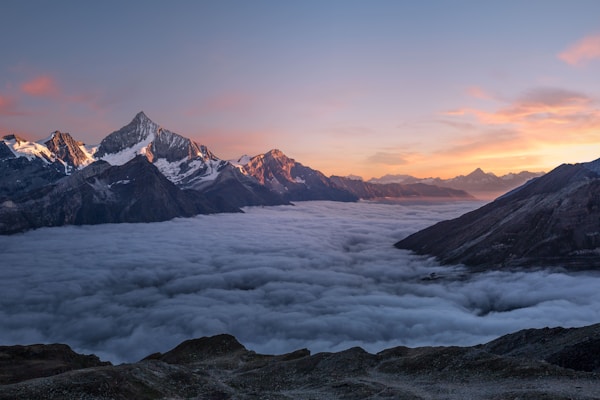
Andorra Alpine Adventure
Visit Andorra la Vella, ski Grandvalira, and explore the Pyrenees on this unforgettable 6-day Andorr...
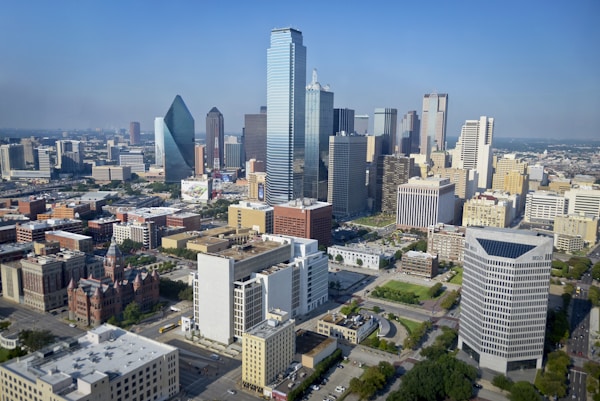
Antwerp: Diamonds, Fashion & Rubens Masterpieces
Explore Antwerp, Belgium's fashion and diamond capital, on a 7-day journey through Rubens masterpiec...