This guide was last updated in June 2026. Make family travel enjoyable for parents and kids alike with these proven strategies.
Key Takeaways
- Match activities to the youngest capable participant so the whole family stays engaged and no one feels left out.
- Plan one major activity per day and build in downtime to prevent meltdowns and burnout.
- Give children age-appropriate jobs like navigating or researching a site to keep them invested in the trip.
- Choose destinations with built-in variety, from beaches to museums, so weather and moods never derail the day.
- Travel in shoulder season and book accommodations with kitchens to stretch your budget without sacrificing quality.
Why Family Travel Is Worth the Effort
Traveling with children is not the same as traveling alone. It is slower, louder, and occasionally involves negotiating with a four-year-old about why they cannot bring a rock collection through airport security. But the things to do with family on the road create memories that shape how children see the world and how families connect with each other.
The key to successful family travel is not lowering your expectations. It is adjusting them. A museum visit might last ninety minutes instead of four hours. A restaurant meal might involve chicken fingers instead of tasting menus. But the trade-off is watching your child's face light up at their first sight of the ocean, or hearing them describe a foreign city in their own words. Those moments are worth every logistical headache.
Research consistently shows that shared family experiences, especially in novel environments, strengthen parent-child bonds and build confidence in children. When kids navigate a new subway system, order food in an unfamiliar language, or figure out how to read a trail map, they develop problem-solving muscles that no classroom can teach. The chaos of a missed train or a sudden downpour becomes a story the family retells for years, and those shared adversities often turn into the fondest memories.


Best Family Destinations by Age
Toddlers and Preschoolers (Ages 2-5)
At this age, children do not need elaborate itineraries. They need space to run, sand to dig in, and reliable nap schedules. Beach destinations with calm water and shallow entry points are ideal. All-inclusive resorts can be lifesavers because food is always available and entertainment is built in.
Top picks: The Outer Banks in North Carolina, San Diego for its zoo and beaches, and Costa Rica's Pacific coast for wildlife spotting that feels like a real-life nature documentary. For a theme park introduction that caters to the youngest visitors, Orlando's seven-day family adventure offers age-appropriate rides and character experiences that toddlers find magical.
School-Age Kids (Ages 6-12)
This is the golden age of family travel. Kids are old enough to walk reasonable distances, carry their own small backpacks, and actually remember what they see. They are also young enough to be genuinely amazed by things adults take for granted.
Top picks: London for its free museums and Harry Potter connections, Tokyo for its bullet trains and themed cafes, and Yellowstone National Park for geysers, bison, and the kind of landscapes that make kids put down their tablets.
Teenagers (Ages 13-17)
Teens travel best when they have some autonomy and the destination offers activities that feel grown-up. Adventure sports, photography opportunities, and food scenes that go beyond chicken fingers all help. Let them research one activity or restaurant for the trip. Giving them ownership reduces eye-rolling by approximately sixty percent.
Top picks: New Zealand for adventure activities, Rome for food and history that feels relevant rather than dusty, and Iceland for landscapes so dramatic even jaded teenagers pause their Snapchat stories to stare.
Age-Appropriate Activities That Work for Everyone
Nature and Wildlife
National parks, aquariums, and wildlife reserves offer built-in entertainment that appeals across generations. The key is matching the activity to the youngest capable participant. A two-mile hike is manageable for most school-age kids. A ten-mile backcountry trek is not. Whale watching, tide pooling, and birdwatching are low-effort, high-reward activities that work for mixed-age groups.
Many national parks offer Junior Ranger programs that give kids a structured way to engage with the park. Completing the activity booklet and earning a badge turns a simple walk into a mission, and children who would otherwise complain about another trail suddenly become enthusiastic investigators of geology and wildlife.
Hands-On Cultural Experiences
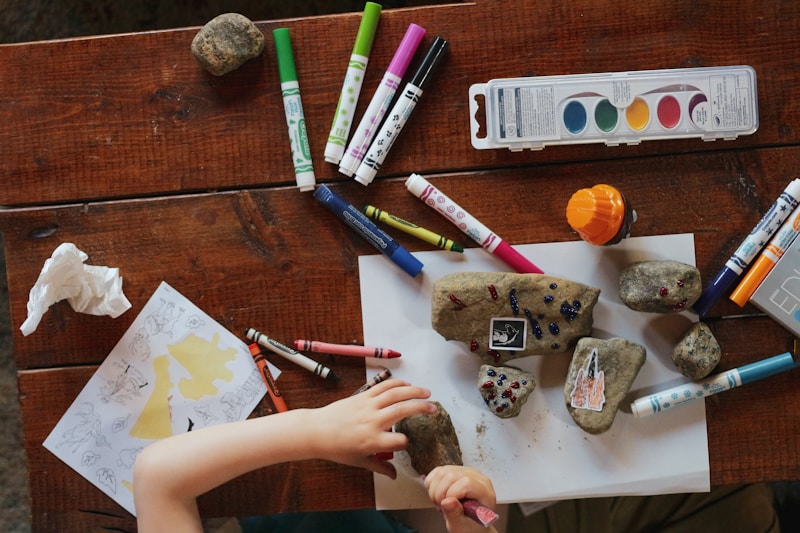
Kids engage more with culture when they can touch it. Cooking classes where everyone makes pizza or sushi together. Craft workshops where they learn traditional techniques. Market visits where they help pick ingredients for dinner. These activities turn passive observation into active participation.
In cities like Florence or Kyoto, look for family-friendly workshops run by local artisans. A two-hour pasta-making class in Italy or a calligraphy lesson in Japan gives children a tangible skill and a souvenir more meaningful than anything sold in a gift shop.
Water Activities
Swimming, snorkeling, kayaking, and paddleboarding are universal crowd-pleasers. Even toddlers can splash in shallow water while teens try more challenging sports. Water has a way of resetting moods and burning energy that makes it essential for family trips.
If you are heading to a coastal destination, pack reef-safe sunscreen, rash guards for sun protection, and a dry bag for phones and snacks. Resorts and beach towns often rent kayaks and paddleboards by the hour, so you do not need to haul gear from home. A single afternoon on the water can reset a cranky family and turn a mediocre travel day into a highlight.
Packing Strategies for Family Travel
Pack Light, But Smart
Every family member old enough to walk should carry their own small backpack with snacks, water, and entertainment. This simple step distributes weight and gives children a sense of responsibility. For the main luggage, pack outfits that mix and match, and plan to do laundry rather than bringing fourteen days of clothing.
The Entertainment Arsenal
Tablets loaded with offline content are not parenting failures. They are survival tools for long flights and restaurant waits. Bring headphones, portable chargers, and a few small surprises wrapped up for moments when morale crashes. Sticker books, travel-sized games, and audiobooks that the whole family can listen to together are all worth the minimal space they occupy.
Snack Strategy
Hangry children are unhappy children, and unhappy children make unhappy parents. Pack more snacks than you think you need. Favorite treats from home provide comfort in unfamiliar environments. Local snacks discovered along the way become part of the adventure. For a deeper dive into what belongs in your bag, see our complete travel packing guide, which covers everything from carry-on essentials to destination-specific gear.
Keeping Kids Engaged on the Road
Give Them a Job
Children who feel useful are children who complain less. Let the six-year-old be the official map holder. Let the ten-year-old navigate to the restaurant. Let the teenager research one historical site and present it to the family. Jobs give purpose, and purpose reduces boredom.
Build in Downtime
Adult travelers can push through fatigue. Children cannot. A full day of sightseeing followed by a late dinner is a recipe for meltdown. Schedule pool time, park visits, or simply hanging out at the accommodation every day. The memories you make during relaxed moments are often better than the ones from rushed sightseeing.
Document Together
Give kids a disposable camera or let them use an old phone to take their own photos. Their perspective is fascinating, and reviewing their shots each evening becomes a fun family ritual. Older kids can keep travel journals or scrapbooks that turn the trip into a creative project.
Managing Expectations
Not Every Day Will Be Perfect
Someone will get sick. Someone will lose a beloved stuffed animal. Someone will declare that this is the worst vacation ever because the hotel pool is closed for maintenance. These moments are not failures. They are part of the experience. How you handle them teaches resilience and adaptability.
Adjust the Pace
Family travel moves at the pace of the slowest member. That is not a problem to solve. It is a reality to accept. Build in extra time for everything. A fifteen-minute walk takes thirty with small children. A museum visit involves bathroom breaks and snack stops. Factor this in from the start and you will not feel frustrated when it happens.
For help calibrating your daily schedule, read our guide on how many days to spend at any destination, which breaks down realistic trip durations by destination type and travel style.
Budget Family Travel Tips
Accommodation with Kitchen Access
Apartments and suites with kitchenettes save money and sanity. Breakfast at home, packed lunches for outings, and only one restaurant meal per day can cut food costs by half. Plus, kids eat better when familiar options are available.
Free Activities Are Everywhere
Beaches, parks, playgrounds, and free museum days offer entertainment without cost. Many cities have excellent public spaces designed for families. Research these in advance and build them into your itinerary.
Travel in Shoulder Season
School schedules do not always allow this, but if you can travel just before or after peak season, prices drop significantly. The weather is often just as good, and crowds are thinner, which makes everything easier with children. Our guide to affordable family vacation spots goes deeper on destinations where your dollar stretches furthest.
Common Mistakes to Avoid
Overplanning
An itinerary packed with back-to-back activities leaves no room for the inevitable delays and detours that come with traveling as a group. Plan one major activity per day and let the rest unfold organically.
Ignoring Bedtimes
Late nights might be part of your usual vacation style, but children who are overtired become children who are unmanageable. Respect nap schedules for younger kids and reasonable bedtimes for older ones. Everyone will be happier.
Forgetting About Food
Adventurous eating is great, but forcing a picky eater to try fermented fish at midnight is not going to create positive associations with travel. Balance new experiences with familiar foods. One adventurous meal and one safe meal per day is a good ratio.
Choosing the Wrong Neighborhood
Where you stay shapes your entire trip. A cheap hotel far from transit or a noisy district next to a nightclub can undo days of careful planning. Read our guide to the best areas to stay for tourists before you book, and prioritize safety, walkability, and proximity to food options.
Conclusion: Family Travel Is an Investment
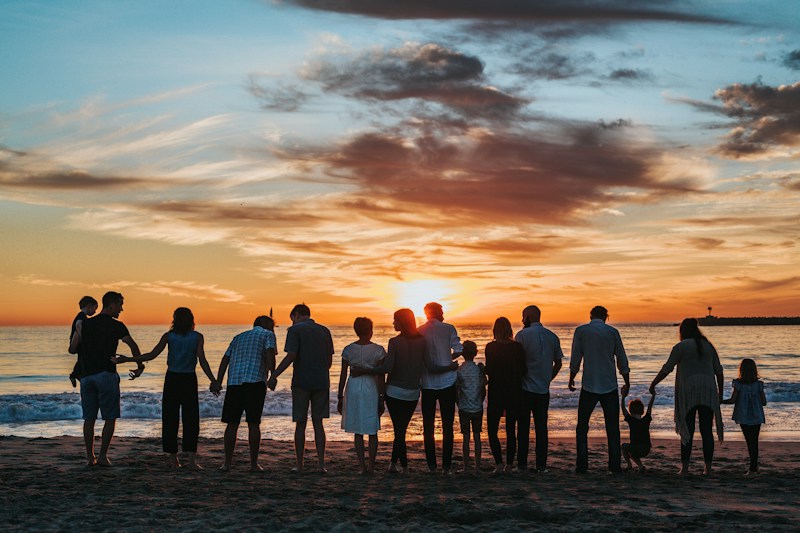
The things to do with family on vacation are not just about entertainment. They are about showing children that the world is larger than their neighborhood, that different ways of living are valid, and that shared experiences build bonds that last long after the trip ends.
Family travel is harder than solo travel. It requires more planning, more patience, and more flexibility. But the return on investment, measured in memories, growth, and connection, is immeasurable. Start planning your next family adventure today.
Related Articles
- Affordable Family Vacation Spots: Amazing Trips That Won't Break the Bank
- What to Pack for Any Trip: The Ultimate Travel Packing Guide
- How Many Days to Spend: The Right Amount of Time for Any Destination
- Best Areas to Stay for Tourists: How to Choose the Perfect Neighborhood
About the Author: The Travlike Editorial Team is a group of seasoned travel writers and parents who have logged countless miles with children in tow. From toddler tantrums in Tokyo to teen adventures in Reykjavik, we have tested every strategy in this guide in the real world. Our mission is to help families travel smarter, deeper, and happier, one trip at a time.
Ready for Your Next Family Adventure?
Discover our curated travel routes perfect for families
Explore Routes