This guide was last updated in June 2026. Everything you need to know about silent retreats, from choosing the right type and duration to preparing mentally and physically for an experience that can transform your relationship with noise, stress, and yourself.
Why Silent Retreats Have Become a Travel Trend
The demand for silent retreats has grown dramatically in the past five years. Chronic stress, digital fatigue, and the pace of modern life have left millions searching for a way to disconnect. A silent retreat provides an extended period without conversation, screens, or external stimulation where the only project is paying attention to your own mind.
The idea of spending days in silence sounds extreme, and it is. But that intensity is precisely the point. Without the usual distractions, the mind eventually settles into a state of clarity most people have not experienced since childhood. This guide covers the different traditions, the best centers worldwide, and the practical preparation that makes the experience work.
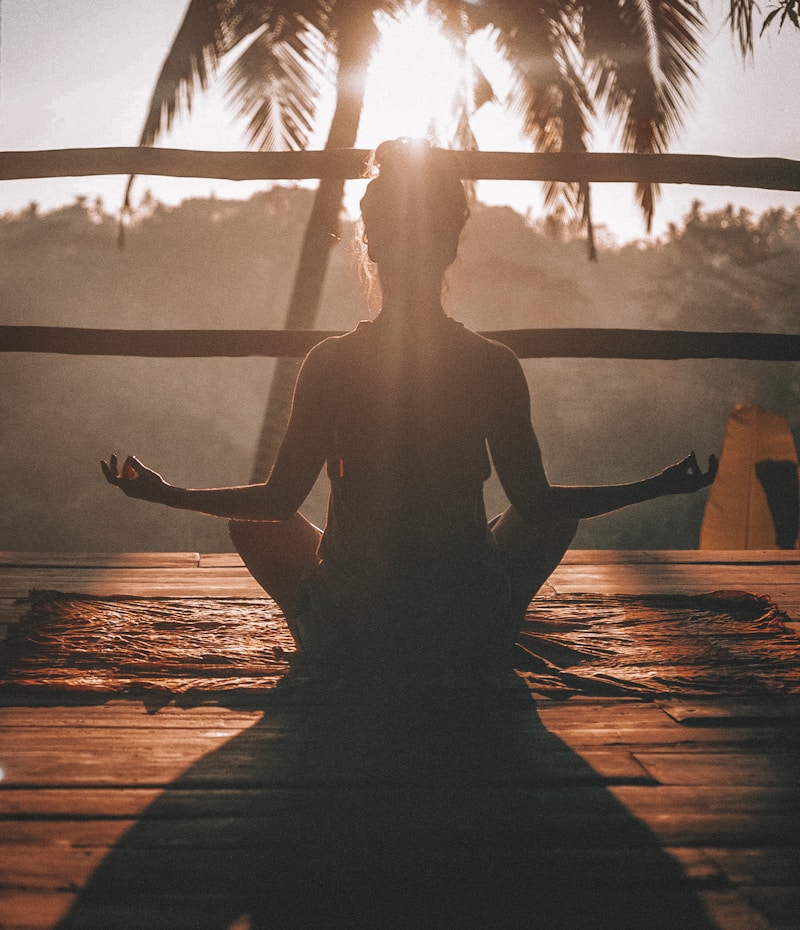

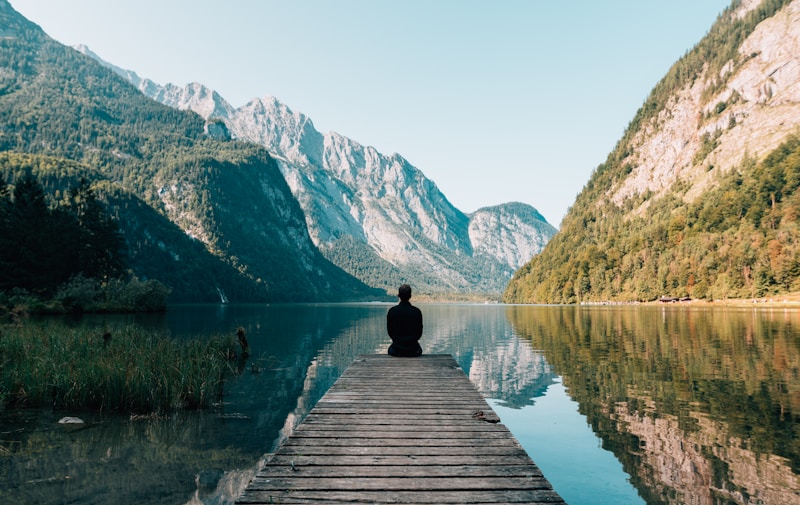
Types of Silent Retreats and Which One Fits You
Not all silent retreats are the same. The traditions, structure, and intensity vary significantly, and choosing the wrong type for your first experience can be counterproductive. Here are the main categories.
Vipassana Retreats
Vipassana is the most structured and intensive form of silent retreat widely available. Courses run for exactly ten days with over ten hours of seated meditation daily starting at 4 AM. The technique focuses on body scanning meditation to observe physical sensations without reacting. Noble silence is observed throughout: no talking, reading, writing, eye contact, or electronics.
Courses are offered on a donation basis through the S.N. Goenka organization at centers in over 60 countries, including Shelburne Falls, Massachusetts, North Fork, California, and Joshua Tree, California. Vegetarian meals are served twice daily with simple shared accommodations. The ten-day commitment is demanding but has a well-documented track record for lasting change.
Zen Meditation Retreats
Zen retreats, known as sesshin, combine seated meditation with walking meditation, work practice, and sometimes chanting. They tend to be less physically rigid than Vipassana but more formal in their ritual structure. The San Francisco Zen Center operates Tassajara Zen Mountain Center, a remote retreat in the Santa Lucia Mountains of California that has been running residential retreats since 1967. sesshin typically last three to seven days and include vegetarian meals prepared by the community.
For a shorter introduction, many Zen centers offer weekend retreats. The Zen Mountain Monastery in Mount Tremper, New York, runs two-day intro retreats for $120 to $200 that include meditation instruction, vegetarian meals, and basic Zen practice. The Rochester Zen Center in upstate New York offers similar programs. Zen retreats work well for people who want structure but find the Vipassana schedule too extreme.
Silent Yoga and Wellness Retreats
Silent yoga retreats combine periods of silence with physical practice, breathwork, and sometimes sound healing or journaling. They are the most flexible format and the best option for people new to silence. Operators like The Art of Living Retreat Center in Boone, North Carolina, and Kalani retreat center on the Big Island of Hawaii offer three to five day silent yoga retreats that include daily yoga classes, meditation sessions, organic meals, and free time for rest or nature walks. Prices range from $500 to $1,500 depending on duration, accommodation level, and location.
The key difference with silent yoga retreats is that the silence is often partial. You may observe silence during morning meditation and meals but have designated discussion periods in the afternoon. This graduated approach works well for people who want to experience silence but feel intimidated by the prospect of a full Vipassana-style retreat.
Top Silent Retreat Centers Around the World
These centers are among the most respected and established silent retreat destinations globally, each with a distinct tradition and atmosphere.
Plum Village, France
Founded by the Vietnamese Zen master Thich Nhat Hanh, Plum Village is a Buddhist monastery in the Dordogne region of southwestern France that welcomes thousands of visitors each year for retreats ranging from one week to three months. The tradition is rooted in engaged Buddhism, which emphasizes mindfulness in everyday activities including walking, eating, and working. Retreats include daily meditation, Dharma talks, mindful eating, and working meditation in the gardens or kitchen.
Plum Village operates on a sliding-scale donation model, with suggested contributions of 40 to 60 euros per day covering meals and basic accommodation in shared rooms. The setting is rural and beautiful, with rolling hills, sunflower fields, and centuries-old stone buildings. The monastery operates retreats from March through January, with English-language retreats offered throughout the summer months. Book well in advance as summer weeks fill up months ahead.
Insight Meditation Society, Massachusetts
Located in Barre, Massachusetts, the Insight Meditation Society has been a leading center for Vipassana meditation since 1975. The retreat center sits on 200 acres of wooded land and offers retreats from weekend introductions to three-month intensive periods. Teaching staff includes Joseph Goldstein, Sharon Salzberg, and Jack Kornfield.
Prices range from $30 to $80 per day on a sliding scale. Weekend introductory retreats cost $250 to $400, while seven to ten-day retreats run $500 to $1,200. The center is about 60 miles west of Boston with shuttle service from Worcester.
Wat Suan Mokkh, Thailand
Wat Suan Mokkh, or the Garden of Liberation, is a forest monastery in Chaiya, southern Thailand, founded by the renowned Buddhist monk Ajahn Buddhadasa. The monastery offers a ten-day silent meditation retreat on the first of every month that has become one of the most popular retreats in Southeast Asia. The schedule includes daily meditation instruction in both English and Thai, Dharma talks, and yoga-style stretching. Accommodation is in simple dormitories with thin mattresses on the floor, and meals consist of vegetarian Thai food.
The retreat is free, though donations are welcome. The only costs are transportation to Chaiya, which is accessible by train from Bangkok in about nine hours or by bus from Surat Thani. The setting is a lush tropical garden with ancient trees and quiet walking paths. The retreat runs from the 1st through the 10th of each month, and registration opens on the last day of the preceding month on a first-come basis. The best months to attend are November through February during the cool, dry season.
Spirit Rock Meditation Center, California
Spirit Rock, located in the hills of Marin County north of San Francisco, is one of the premier Vipassana meditation centers in the United States. The center offers a wide range of retreats from one-day introductions to residential programs lasting up to two weeks. The 400-acre campus features meditation halls, walking paths, a organic garden, and simple but comfortable accommodations. Spirit Rock's teaching staff includes many of the most prominent Western meditation teachers, and the center is known for its inclusive, welcoming approach that draws beginners and experienced practitioners alike.
Daylong retreats cost $40 to $80, while residential retreats of five to seven days run $500 to $1,200. The center is about a 45-minute drive from San Francisco and offers a shuttle from the ferry terminal in Larkspur. Spirit Rock operates year-round, with the most favorable weather from April through October.
Gaia House, UK
Gaia House is a meditation retreat center in the Devon countryside of southwest England offering silent retreats in the Insight Meditation tradition. The center occupies a former estate house surrounded by rolling hills and woodland. Retreats range from weekends to four-week personal retreats. Suggested contributions are 40 to 55 pounds per day. The nearest train station is Newton Abbot, about 30 minutes away by car.
Kopan Monastery, Nepal
Perched overlooking the Kathmandu Valley, Kopan Monastery is a Tibetan Buddhist monastery that offers ten-day introductory meditation courses monthly from October through March. The courses combine Buddhist philosophy with guided meditation, discussion, and Tibetan chanting. Accommodation is in shared rooms with vegetarian meals. The ten-day course costs $150 to $200, making it one of the most affordable residential retreats anywhere. The monastery is about a 30-minute drive from central Kathmandu.
What to Expect During Your First Silent Retreat
Knowing what happens during a silent retreat removes much of the anxiety that prevents people from trying one. The experience follows a predictable arc that most participants describe as challenging in the first few days and deeply rewarding by the end.
The Daily Schedule
Most silent retreats follow a similar daily rhythm. Wake-up is early, typically between 5:30 and 6:30 AM, with the first meditation session beginning 30 minutes later. Morning meditation runs for 45 to 60 minutes, followed by breakfast. Mid-morning brings a second meditation session, then a walking meditation period. Lunch is the main meal of the day. Afternoons include additional meditation, sometimes a Dharma talk or teaching session, and free time for rest, walking, or personal reflection. An early dinner around 5:30 or 6 PM is followed by an evening meditation and lights out by 9:30 or 10 PM. Expect to spend six to ten hours per day in formal meditation or silent activity.
The Emotional Arc
The first two days are often the hardest. Your mind, accustomed to constant stimulation, revolts against the silence. Restlessness, boredom, anxiety, and physical discomfort are all normal. Many first-time retreatants question their decision to come. By day three or four, the mental agitation typically begins to settle. You start noticing subtleties: the texture of your food, the sound of wind, the rhythm of your breathing. By day five and beyond, most people report a deep sense of calm, clarity, and even joy that feels qualitatively different from ordinary relaxation. This progression is so consistent across retreats and traditions that teachers describe it as the standard trajectory.
Practical Tips for Preparing for a Silent Retreat
Mental Preparation
Start a daily meditation practice at least two weeks before your retreat. Even ten minutes per day of simple breath awareness helps your mind adjust to stillness before you arrive. Read one or two books about the retreat tradition you have chosen. For Vipassana, read "What the Buddha Taught" by Walpola Rahula. For Zen, try "Zen Mind, Beginner's Mind" by Shunryu Suzuki. Set realistic expectations. A silent retreat is not a vacation or a spa experience. It is a deliberate period of mental training that can be uncomfortable, boring, and emotionally intense. Approach it with curiosity rather than a goal of achieving any particular state.
Physical Preparation
Pack comfortable, loose-fitting clothing in layers. Retreat centers range from warm to cold depending on season and location, and meditation halls can be drafty. Bring a meditation cushion if you have one, though most centers provide cushions and chairs. Do not bring books, journals, music, or electronics unless the retreat specifically permits them. Bring slip-on shoes for easy removal when entering meditation halls. Pack any personal toiletries, medications, and a reusable water bottle. Avoid caffeine for at least three days before the retreat to minimize withdrawal headaches during the first few days of silence.
Common Mistakes First-Time Retreatants Make
Choosing a Retreat That Is Too Long
A ten-day Vipassana course is not the right first retreat for most people. Start with a weekend or three-day retreat to test the waters. The Insight Meditation Society, Spirit Rock, and many local meditation centers offer excellent one-to-three-day introductory programs. Build up to longer retreats once you know what to expect and have confidence in your ability to sit with discomfort.
Bringing a Phone
Many retreats prohibit phones entirely. Even when they are technically allowed, having a phone creates a temptation to check it that undermines the purpose of the retreat. Leave your phone in your car, at a hotel, or at home. The world will manage without you for a few days. If you need to be reachable for emergencies, give the retreat center's phone number to a family member and let them know the center will relay urgent messages.
Expecting Instant Bliss
Meditation retreats are not designed to make you feel good. They are designed to make you aware. That awareness can be uncomfortable, boring, or emotionally painful before it becomes peaceful. If you expect a weekend retreat to produce permanent enlightenment, you will be disappointed. Think of it as mental hygiene: you brush your teeth daily to maintain dental health, and a silent retreat is a deep cleaning for your mind that creates conditions for greater clarity and resilience going forward.
Conclusion: Silence Is an Underrated Travel Destination
A silent retreat is unlike any other travel experience. There are no sights to photograph, no restaurants to review, no itinerary to follow. You go, you sit, you walk, you eat, you sleep, and in the absence of everything you normally use to fill your time, you discover what remains when all the noise stops. For many people, that discovery is the most valuable travel experience of their lives. Start small, choose a tradition that resonates with you, and approach the silence with openness rather than expectations. The peace you are looking for is already there. A silent retreat simply removes everything that stands between you and it.
Ready to Plan Your Next Wellness Journey?
Discover curated travel routes and mindful experiences on Travlike
Explore Routes