This guide was last updated in June 2026. Everything you need to plan a luxury African safari, from choosing the right destination and lodge to photography tips and conservation awareness.
What Sets a Luxury Safari Apart
A luxury safari is not simply a more expensive version of a standard game drive. The difference lies in exclusivity, expertise, and the quality of every detail. Private concessions with strict guest limits mean you encounter wildlife without crowds. Your guide is typically a trained naturalist with years of experience. The lodges blend seamlessly into the landscape, with amenities that rival five-star hotels: plunge pools overlooking waterholes, gourmet dinners under the stars, and spa treatments between game drives.
The luxury safari experience is also defined by flexibility. Unlike budget safaris that operate on fixed schedules, luxury lodges tailor each day around your interests. Walking safaris, night drives, hot air balloon flights, and bush meals are all part of the standard offering at top lodges.
Top Luxury Safari Destinations in Africa
These six destinations represent the finest wildlife viewing experiences on the continent, each with its own character, flagship species, and luxury lodge options.
Serengeti National Park, Tanzania
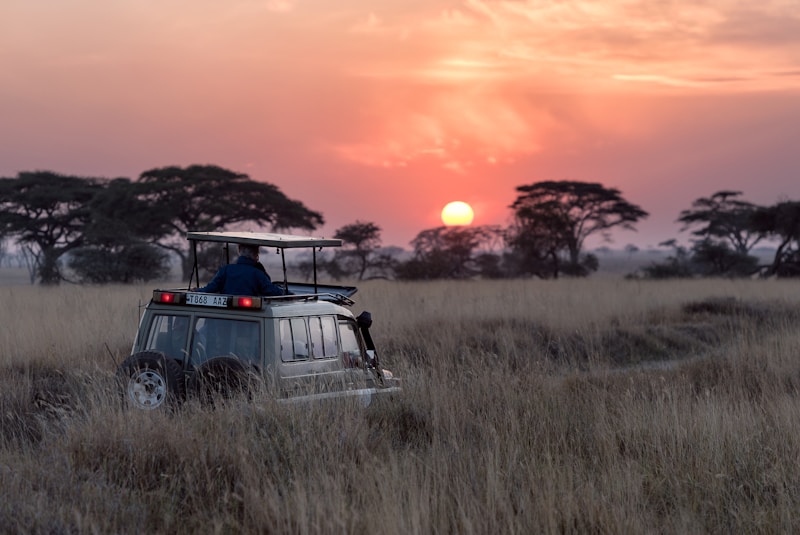
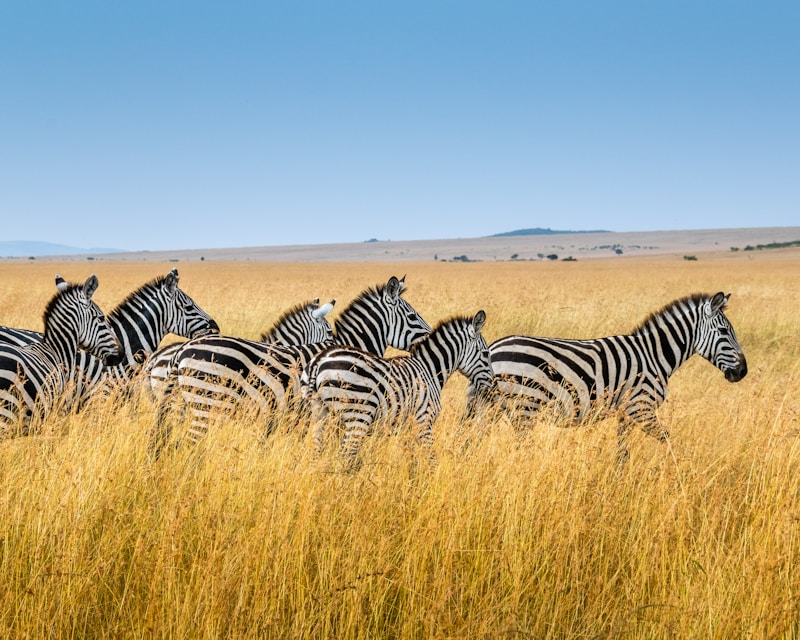
The Serengeti is synonymous with the Great Migration, the largest movement of land animals on Earth. Over two million wildebeest, zebra, and gazelle traverse the Serengeti ecosystem in a circular route that follows seasonal rainfall. Luxury lodges in the Serengeti are positioned in private concessions that offer exclusive access away from the park's busier areas. Singita Grumeti, located in the western corridor, operates three lodges including Sasakwa Lodge, a hilltop estate with cottages featuring private infinity pools and panoramic views of the Serengeti plains. Rates start at $2,500 per person per night all-inclusive. Four Seasons Safari Lodge Serengeti in the central Seronera area offers a more accessible luxury option starting at $1,500 per person per night. The best time for the Great Migration in the western corridor is June through July, while the southern Ndutu area sees calving season from January to March.
Masai Mara National Reserve, Kenya
The Masai Mara is the northern extension of the Serengeti ecosystem and offers some of the most reliable big cat viewing in Africa. The reserve's open grasslands make wildlife spotting relatively easy, and the concentration of lions, leopards, and cheetahs is extraordinary. Luxury camps in private conservancies adjacent to the reserve, like Angama Mara and Governors' Camp, offer night drives and off-road tracking that are not permitted inside the national reserve itself. Angama Mara, perched on the edge of the Oloololo Escarpment, features 30 tented suites with floor-to-ceiling glass and views that stretch to the horizon. Rates start at $1,800 per person per night. The best time to visit is July through October during the Great Migration river crossings at the Mara River, one of the most dramatic wildlife spectacles on Earth.
Kruger National Park, South Africa
Kruger is South Africa's flagship safari destination and one of the largest game reserves in Africa. The private reserves that border Kruger, particularly Sabi Sands, Timbavati, and Londolozi, offer some of the most exclusive luxury safari experiences on the continent. Londolozi, a family-run reserve in Sabi Sands, has been operating since 1926 and offers some of the most consistent leopard viewing in Africa. Their Private Granite Suites start at $2,200 per person per night. Singita Lebombo in the private concession within Kruger itself features contemporary suites with floor-to-ceiling glass walls that blur the line between indoor and outdoor living. South Africa's malaria-free reserves like Madikwe and Tswalu Kalahari offer luxury safari experiences without the need for antimalarial medication, which appeals to families with young children. The best wildlife viewing in Kruger is during the dry winter months from May to September, when vegetation is sparse and animals congregate around water sources.
Okavango Delta, Botswana
The Okavango Delta is one of the most unique safari environments on Earth, a vast inland delta that floods annually, creating a lush water wilderness in the middle of the Kalahari Desert. The delta offers both land-based and water-based safari activities, including traditional mokoro canoe excursions through papyrus channels and motorboat safaris along deeper waterways. Mombo Camp, operated by Wilderness Safaris, is located on Chief's Island in the heart of the delta and is famous for its predator viewing, particularly wild dogs and lions. The camp features nine tented suites raised on wooden decks with views over the floodplains. Rates start at $2,500 per person per night. Xigera Safari Lodge, a Relais and Chateaux property, focuses on art and wellness alongside wildlife, with a curated gallery and a spa overlooking the delta. The best time to visit is June through October when the floodwaters are at their peak and wildlife concentrates on the islands.
Bwindi Impenetrable Forest, Uganda
Bwindi is the premier destination for mountain gorilla trekking in Africa, home to roughly half of the world's remaining mountain gorillas. A luxury gorilla safari here is a fundamentally different experience from a traditional savanna safari. The trek through dense rainforest can take one to six hours, and the encounter with a gorilla family is limited to one hour, but the intimacy of sitting meters from a silverback gorilla is an experience that ranks among the most profound wildlife encounters available anywhere. Bwindi Lodge, operated by Volcanoes Safaris, overlooks the forest canopy and features eight bandas with private terraces and a spa that uses local botanicals. Rates start at $1,200 per person per night including gorilla trekking permits. The gorilla permit itself costs $700 per person in Uganda, significantly less than the $1,500 charged in neighboring Rwanda. The best time for gorilla trekking is during the dry seasons of June to September and December to February.
Etosha National Park, Namibia
Etosha offers a safari experience unlike any other African destination. The park centers on the vast Etosha Pan, a salt flat so large it can be seen from space. During the dry season, wildlife congregates at waterholes along the pan's edge, creating reliable and concentrated game viewing. Luxury lodges on private concessions adjacent to the park, like Ongava Lodge and Etosha Mountain Lodge, offer exclusive game drives and night drives that are not available inside the national park. Ongava Lodge, located on the Ongava Game Reserve bordering Etosha, features 14 chalets and a pool overlooking a waterhole that attracts rhinos, elephants, and lions. Rates start at $600 per person per night, making Namibia one of the more affordable luxury safari destinations. The best time to visit is June through October during the dry season, when animals are forced to rely on permanent water sources.
What Is Included in a Luxury Safari Package
Understanding what is included in the price helps you compare options accurately and avoid surprise expenses.
Standard Inclusions
Most luxury safari packages are fully inclusive, covering accommodation, all meals and beverages including premium wines and spirits, twice-daily game drives with a professional guide and tracker, walking safaris where available, park and conservation fees, laundry service, and airport transfers within the safari circuit. This all-inclusive model means that once you arrive at the lodge, you should not need to spend another dollar. Some lodges also include spa treatments, hot air balloon flights, or cultural village visits as part of their standard package.
What Is Usually Extra
International flights, premium champagne and top-shelf spirits at some lodges, helicopter transfers between lodges, gorilla trekking permits in Uganda and Rwanda, gratuities for guides and staff, and travel insurance are typically not included in the base rate. Helicopter transfers between lodges can cost $500 to $2,000 per flight depending on distance and are an optional luxury that significantly reduces transit time between safari locations.
Best Times for Wildlife Viewing by Destination
Timing your safari correctly is one of the most important factors in the quality of your wildlife experience. The dry season across most of southern and East Africa, from June through October, offers the best game viewing because vegetation is sparse, animals concentrate around water sources, and the weather is mild and dry. However, the green season from November through May has its own advantages: fewer tourists, lower rates at many lodges, lush green landscapes, and excellent bird watching. Predator viewing is consistent year-round in most destinations, while the Great Migration in the Serengeti and Masai Mara is strictly seasonal. Gorilla trekking in Bwindi is possible year-round, though heavy rains in April and May can make trails more challenging.
Photography Tips for Safari
Essential Camera Gear
A telephoto lens in the 200-400mm range is essential for capturing wildlife at a distance. The Canon 100-400mm or Nikon 200-500mm are popular choices that offer excellent reach without requiring a mortgage. A second body with a wider lens, like a 70-200mm, covers medium-distance shots and situations where animals approach the vehicle. Bring extra batteries and memory cards, as you will shoot more frames than you expect. A beanbag rest for stabilizing your lens on the vehicle door frame is more practical than a tripod in a safari vehicle. Many luxury lodges offer camera equipment rental if you do not want to travel with heavy gear.
Shooting Techniques
Use a fast shutter speed of at least 1/1000 second for moving animals. Shoot in burst mode during action sequences. Focus on the eyes, as sharp eyes create the connection that makes wildlife photographs compelling. Include the environment in your compositions rather than always filling the frame with the animal. The golden hours after sunrise and before sunset provide the warmest light and coincide with peak animal activity.
Conservation and Responsible Safari Tourism
Luxury safari lodges play a critical role in African conservation. Many operate in private concessions where lodge fees directly fund anti-poaching units, habitat restoration, and community development programs. When choosing a lodge, look for those that are actively involved in conservation. Singita supports the Grumeti Fund, which has reduced poaching in the western Serengeti by over 90 percent. Wilderness Safaris operates the Children in the Wilderness program, which educates rural African children about conservation and leadership. Londolozi in Sabi Sands has been a pioneer in leopard conservation and research for decades. Choosing lodges with genuine conservation commitments means your safari dollars directly support the protection of the wildlife you came to see.
Practical Tips for Your First Luxury Safari
Packing for the Bush
Pack in neutral colors like khaki, olive, and brown. Avoid white, black, and bright colors, which either stand out to wildlife or attract tsetse flies. Most luxury lodges provide a laundry service, so three to four sets of safari clothing are sufficient. Bring layers for temperature changes, as mornings can be near freezing in winter and afternoons can reach 85 degrees. A warm fleece or light jacket is essential for early morning game drives. Comfortable closed-toe shoes for walking safaris, a wide-brimmed hat, sunscreen, and binoculars complete the essentials. Most lodges provide binoculars in each room, but bringing your own ensures you always have a pair.
Health and Medical Preparations
Consult a travel medicine specialist at least six weeks before departure. Most safari destinations in East and southern Africa are in malaria zones, and prophylactic medication is essential. Yellow fever vaccination is required for entry into some African countries. Check current requirements for each country on your itinerary. Carry a personal first aid kit with medications for stomach issues, allergies, and pain relief, as medical facilities in remote safari areas are limited. Most luxury lodges have basic medical supplies and radio contact with evacuation services, but having your own essentials provides peace of mind.
Common Mistakes to Avoid
Trying to Visit Too Many Lodges in One Trip
Transit between safari lodges consumes significant time and money. A well-planned safari visits two to three lodges over seven to ten days, which allows time to settle in, experience different activities, and appreciate each location fully. Rushing through five lodges in a week means you spend half your time in transit and never fully relax into the safari rhythm.
Visiting at the Wrong Time of Year
Research the specific wildlife events you want to see and plan your dates accordingly. The Great Migration river crossings in the Masai Mara occur from July to October, not in January. Gorilla trekking conditions are best in dry months, not during the rainy season. Timing your safari to match the experiences you want most is the single most important planning decision you will make.
Underestimating the Value of a Good Guide
The quality of your guide determines the quality of your safari more than any other factor. A great guide finds animals that others miss, reads behavior to predict movements, and provides context that transforms a game drive from a sightseeing tour into an educational experience. When booking, ask about the guide-to-guest ratio, the training and experience of guides, and whether you will have a dedicated guide for your entire stay or share with other guests.
Conclusion: An Experience That Changes How You See the World
A luxury African safari is one of the most transformative travel experiences available. The combination of pristine wilderness, extraordinary wildlife encounters, world-class hospitality, and the knowledge that your visit directly supports conservation creates something rare in travel: an experience that is simultaneously thrilling and meaningful. Whether you watch the Great Migration thunder across the Mara River, sit quietly with mountain gorillas in Bwindi, or track leopards through the Sabi Sands at dusk, a luxury safari delivers moments that stay with you for the rest of your life. Choose your destination, pick a lodge with strong conservation credentials, pack your camera, and go. The African bush is waiting.
Ready to Plan Your African Safari?
Discover curated safari routes and luxury wildlife experiences on Travlike
Explore Routes