This guide was last updated in June 2026. Everything you need to know for your easia travel ho chi minh adventure.
Why Ho Chi Minh City Deserves Your Attention
Ho Chi Minh City, still affectionately called Saigon by locals and veterans alike, stands as the beating commercial heart of Vietnam and one of the most compelling entry points for southeast asia travel. With over nine million residents and a skyline that grows more impressive each year, this city offers an intoxicating blend of French colonial architecture, wartime history, Buddhist temples, and some of the best street food on the planet.
For travelers planning their ho chi minh city travel itinerary, the metropolis delivers an experience unlike anywhere else in the region. Motorbikes flow through boulevards like schools of fish, rooftop bars serve cocktails with panoramic views, and hidden alleyways reveal family-run pho shops that have perfected their recipes across generations. Whether you are passing through on a broader southeast asia travel route or dedicating a full week to exploring every district, this vietnam travel guide will help you navigate the city like a seasoned expat. Explore our Ho Chi Minh City route for a detailed day-by-day itinerary.

Neighborhoods Worth Exploring
District 1: The Historic Core
No ho chi minh city travel experience is complete without spending time in District 1. This is where the French left their most visible mark, with wide boulevards, colonial-era buildings, and the stunning Notre-Dame Cathedral Basilica of Saigon. The Central Post Office, designed by Gustave Eiffel's firm, still functions as a working post office and remains one of the most photographed buildings in the country.
Dong Khoi Street serves as the main commercial artery, lined with high-end boutiques, international hotels, and the historic Opera House. For a more local experience, venture into the narrow streets behind Ben Thanh Market, where vendors sell everything from dried squid to counterfeit sneakers. The market itself opens early, and the best time to visit is around 7:00 AM before the tour buses arrive and while the morning air still carries a hint of coolness.
At night, Bui Vien Walking Street comes alive with bars, street performers, and backpackers from every corner of the globe. It is not the most authentic Vietnamese experience, but it offers cheap beer, live music, and excellent people-watching. For a more sophisticated evening, head to one of the rooftop bars along Nguyen Hue Boulevard.
District 3: Local Life and Hidden Cafes
Just west of District 1, District 3 offers a quieter, more residential counterpoint to the tourist hubs. This is where many middle-class Vietnamese families live, and the streets are lined with shophouses, local coffee shops, and small temples. The War Remnants Museum, one of the most visited museums in the country, sits on Vo Van Tan Street and presents a sobering look at the Vietnam War from the Vietnamese perspective.
Coffee culture thrives in District 3 in a way that feels completely organic. Cafe Vy on Nguyen Dinh Chieu Street has been roasting its own beans since 1956, and the old men who gather there each morning have stories that span decades. For something more contemporary, The Workshop on Ngo Duc Ke Street serves single-origin pour-overs in a converted warehouse space that attracts young Vietnamese professionals and digital nomads.
Tan Dinh Church, known as the Pink Church for its distinctive salmon-colored facade, provides one of the most Instagram-worthy backdrops in the city. Visit in the late afternoon when the light turns the walls an even deeper shade of rose.
Binh Thanh District: The Creative Edge
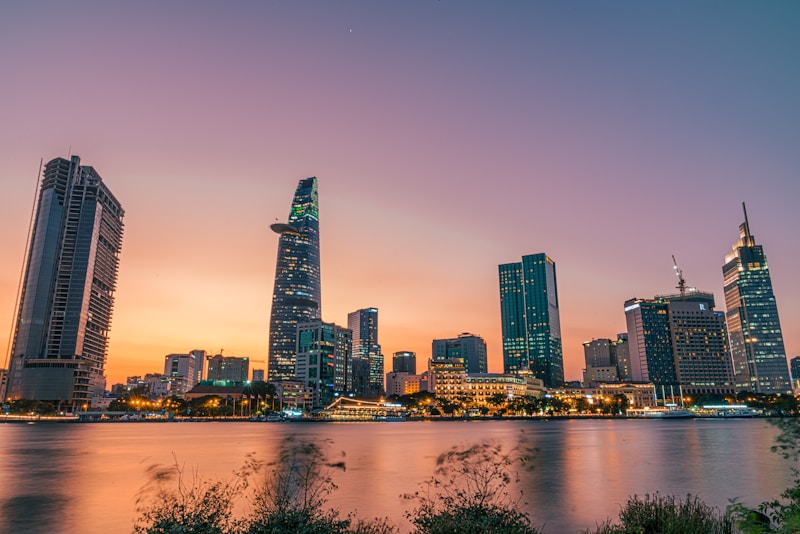
Binh Thanh sits between District 1 and the airport, and while it receives fewer tourists, it offers a fascinating glimpse into where the city is heading. The Landmark 81 tower, the tallest building in Southeast Asia, dominates the skyline here, and the Vinhomes Central Park development around it represents modern Vietnamese urban living at its most ambitious.
Along the Saigon River, old factories and warehouses are slowly transforming into creative spaces, cafes, and co-working hubs. The Binh Quoi Tourist Village, a series of riverside restaurants built on stilts, serves traditional Vietnamese food in a setting that feels miles away from the urban chaos. Try the lau mam, a fermented fish hot pot that originated in the Mekong Delta and remains a local favorite.
The Food Scene: Beyond Pho and Banh Mi
Vietnamese cuisine needs little introduction, but ho chi minh city travel reveals depths that most visitors never discover. The city draws culinary influences from across the country, as migrants from every province have brought their regional specialties to Saigon.
Pho: The National Obsession
Pho Hoa on Pasteur Street has been serving beef noodle soup since 1968, and while it is not the cheapest bowl in town, the consistency and depth of flavor justify the price. For a more local experience, Pho Le on Nguyen Trai Street opens at 5:00 AM and sells out by 10:00 AM. The broth here simmers for eighteen hours, and the brisket melts into silky ribbons.
Pho in Saigon tends to be sweeter and more heavily garnished than its Hanoi counterpart. Locals add bean sprouts, Thai basil, lime, and chili to taste, and many shops offer a side of quay, fried dough sticks, for dipping.
Banh Mi: The Perfect Street Sandwich
Banh Mi Huynh Hoa on Le Thi Rieng Street draws lines that stretch around the block, and for good reason. Their combination sandwich layers pate, cold cuts, pickled vegetables, cilantro, and chili into a baguette that achieves the perfect ratio of crispy to chewy. At around 40,000 VND, it remains one of the best value meals in the city.
For something different, Banh Mi Chao on Ton That Thiep Street serves the deconstructed version: eggs fried in a small pan with pate and sausage, accompanied by a baguette on the side. Dip the bread into the runny yolk and savor the combination of French technique and Vietnamese ingenuity.
Com Tam: Broken Rice, Perfected
Com tam, or broken rice, is the definitive Saigon breakfast. The fractured grains cook up softer and more absorbent than whole rice, making them the ideal base for grilled pork chops, shredded pork skin, and a fried egg. Com Tam Cali on Vo Van Tan Street has elevated this humble dish to an art form, and their suon nuong, marinated pork chop, carries a caramelized char that keeps regulars coming back for decades.
Most com tam shops open by 6:00 AM and close by 10:00 AM, so set your alarm. A full plate with all the accompaniments costs roughly 50,000 VND, and the accompanying bowl of pork broth cleanses the palate between bites.
Day Trips from the City
Cu Chi Tunnels: History Underground
The Cu Chi Tunnels, located about seventy kilometers northwest of the city center, offer a visceral look at how the Viet Cong survived and fought during the war. The tunnel network stretches over 250 kilometers and includes living quarters, kitchens, hospitals, and armories. Visitors can crawl through a short, widened section of tunnel to experience the claustrophobic conditions firsthand.
The Ben Dinh site caters more to tour groups, while Ben Duoc receives fewer visitors and feels more authentic. Either way, arrive early to avoid the midday heat and the crowds. Most half-day tours include hotel pickup and cost between 15 and 25 USD.
Mekong Delta: Life on the Water
The Mekong Delta begins just south of Ho Chi Minh City and unfolds into a labyrinth of rivers, canals, and floating markets. A full-day tour typically visits My Tho or Ben Tre, where you can ride a sampan through narrow waterways, visit a coconut candy workshop, and eat elephant ear fish at a riverside restaurant.
For a more immersive experience, consider an overnight homestay in Can Tho. The Cai Rang floating market, the largest in the delta, operates from 5:00 AM to 9:00 AM and offers a scene of commerce that has changed little over generations. Vendors tie their boats together, hang samples of their produce on bamboo poles, and trade everything from pineapples to pho noodles.
Getting Around and Practical Costs
Transportation in Ho Chi Minh City revolves around the motorbike, but visitors have several options. Grab, the Southeast Asian equivalent of Uber, operates extensively and offers both car and motorbike taxi services. A typical ride within the city center costs between 30,000 and 80,000 VND. For solo travelers willing to brave the traffic, Grab Bike moves through congestion faster and costs roughly half the price of a car.
Traditional taxis from Mai Linh and Vinasun remain reliable and use meters consistently. Avoid unmarked cabs that linger outside tourist hotels, as they often rig their meters. The city bus system covers most major routes and costs 7,000 VND per ride, though navigating the schedules requires some patience and a basic understanding of Vietnamese.
For those staying longer, renting a motorbike costs approximately 150,000 to 250,000 VND per day. International driving permits are technically required, though enforcement remains inconsistent. Wear a helmet, drive defensively, and accept that the flow of traffic follows its own logic.
Budget travelers can survive comfortably on 40 to 50 USD per day, including street food meals, hostel accommodation, and local transport. Mid-range travelers should plan for 80 to 120 USD daily, which covers boutique hotels, restaurant dinners, and guided tours. Luxury options abound, with five-star hotels like the Park Hyatt and Hotel des Arts offering world-class service at a fraction of Western prices.
Best Time to Visit
Ho Chi Minh City sits just north of the equator and experiences two distinct seasons. The dry season runs from December through April, with temperatures hovering between 25 and 35 degrees Celsius and humidity at its most manageable. This is the peak tourist period, and hotel prices rise accordingly. Tet, the Vietnamese Lunar New Year, usually falls in late January or early February and brings a week of celebrations, closed businesses, and packed transportation.
The wet season lasts from May through November, with afternoon downpours that arrive suddenly and dissipate just as quickly. Rain rarely lasts more than a few hours, and the city functions around it. Hotel rates drop significantly during this period, and the countryside surrounding Saigon turns a vivid green. Pack a lightweight rain jacket and embrace the rhythm of tropical weather.
Common Mistakes to Avoid
Many first-time visitors underestimate the city's size and try to cover too much ground in a single day. Distances that look short on a map can take an hour in traffic, so plan your itinerary by neighborhood rather than by individual sights.
Street food safety concerns are often overblown, but basic precautions help. Eat at busy stalls with high turnover, avoid raw vegetables that may have been washed in tap water, and carry hand sanitizer. The ice served at reputable street vendors is factory-produced and safe.
Negotiating prices is expected at markets and with independent vendors, but not in restaurants or shops with posted prices. A friendly smile and a willingness to walk away remain your best tools for getting a fair deal.
Finally, do not skip the city entirely in favor of Hanoi or Hoi An. Ho Chi Minh City polarizes travelers, but those who give it time often find it the most rewarding stop in Vietnam. The energy is relentless, the food is exceptional, and the stories you collect here will stay with you long after you board your flight home.
Ready to Explore Southeast Asia?
Discover our curated travel routes for authentic experiences across the region
Explore Routes