This guide was last updated in June 2026. Three proven backpacking routes across Southeast Asia, South America, and Eastern Europe with daily budget breakdowns and practical money-saving strategies.
The Reality of Budget Backpacking in 2026
Traveling the world on a tight budget is not a fantasy. Millions of backpackers do it every year, and the $50 per day figure is achievable in many parts of the world if you make smart choices about where you go, how you get around, and where you spend your money. The key is choosing destinations where your money stretches furthest and avoiding the tourist traps that drain budgets quickly. Southeast Asia, parts of South America, and Eastern Europe remain the three regions where budget backpacking is most viable, and this guide provides complete itineraries for each.
Budget backpacking does not mean suffering. You will stay in clean hostels, eat delicious local food, visit world-class attractions, and have experiences that rival those of travelers spending five times as much. The difference is in the choices: street food stalls instead of tourist restaurants, overnight buses instead of domestic flights, shared dorms instead of private hotel rooms, and free walking tours instead of expensive guided excursions. These choices are not sacrifices. They are often more authentic and more memorable than the premium alternatives.
Southeast Asia Route: Thailand, Vietnam, Cambodia
Southeast Asia remains the undisputed king of budget travel. This three-country route covers roughly 60 to 90 days and delivers an incredible range of experiences for $30 to $45 per day. The route connects easily by bus and train, and English is widely spoken in tourist areas.
Thailand: Bangkok to Chiang Mai (2-3 Weeks)
Start in Bangkok, where hostels in the Khao San Road area cost $5 to $10 per night for a dorm bed. Eat at street food markets like Wang Lang Market and Or Tor Kor Market, where a full meal costs $2 to $4. Visit the Grand Palace and Wat Pho for $15 combined admission. Take the overnight train to Chiang Mai for $25, which saves a night of accommodation. In Chiang Mai, join a cooking class for $15 to $25, and visit Doi Suthep temple for free. The Sunday Walking Street market is one of the best in Thailand for cheap eats.
Vietnam: Hanoi to Ho Chi Minh City (3-4 Weeks)
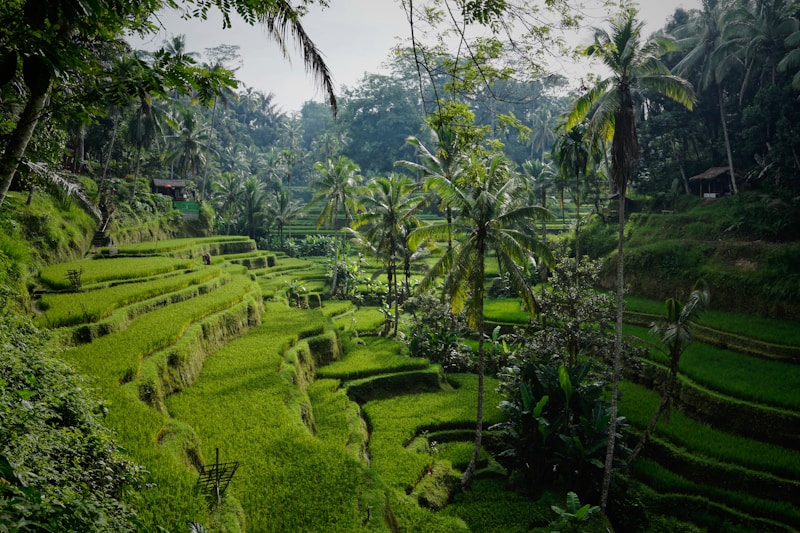
Fly from Chiang Mai to Hanoi on AirAsia for $40 to $60. Hanoi's Old Quarter offers hostels for $4 to $8 per night and street food like pho and banh mi for $1 to $2 per meal. Take the overnight train to Sapa, where trekking through rice terraces with a local guide costs $15 to $25 per day including homestay. Continue south through Hue, Hoi An, and Nha Trang. Hoi An is a highlight, with the Ancient Town costing $7 to enter and tailor-made clothing available for $10 to $30 per piece. The overnight bus from Hoi An to Ho Chi Minh City costs $12 to $18.
Cambodia: Siem Reap and Phnom Penh (2 Weeks)
Take a bus from Ho Chi Minh City to Phnom Penh for $12 to $15. Phnom Penh hostels cost $4 to $8 per night. Visit the Killing Fields at Choeung Ek and S-21 Prison for $15 combined. The bus to Siem Reap costs $10 to $15. Siem Reap is the gateway to Angkor Wat, where a one-day pass costs $37. Rent a bicycle for $2 per day to explore the temple complex. Siem Reap's Pub Street area has hostels for $5 to $10 per night and food stalls where a meal costs $2 to $3.
Daily Budget Breakdown: Southeast Asia
Accommodation: $6 to $10 per night for a hostel dorm. Food: $8 to $12 per day eating primarily at street stalls and local restaurants. Transportation: $3 to $8 per day for local transport, with occasional larger expenses for overnight buses and border crossings. Activities: $5 to $10 per day on average, with some days costing nothing and temple-heavy days costing more. Total: $25 to $40 per day, with an average of $32 across the three countries.
South America Route: Colombia, Ecuador, Peru
South America offers more varied landscapes and cultures than almost any other continent, and the northern Andes region remains affordable for backpackers who travel slowly and eat locally. This route takes 60 to 90 days and averages $35 to $50 per day.
Colombia: Cartagena to Medellin (3-4 Weeks)
Start in Cartagena's Getsemani neighborhood, where hostels cost $8 to $15 per night. Street food like arepas and empanadas costs $1 to $3. Take a night bus to Santa Marta for $15 to $25, then head to Tayrona National Park, where entry costs around $20 and hammock accommodation is $10 to $15 per night. In Medellin's El Poblado neighborhood, hostels cost $8 to $14 per night. The free walking tours in Comuna 13 are outstanding.
Ecuador: Quito to Banos (2-3 Weeks)
Take a bus from Medellin to Quito, crossing the border at Ipiales. In Quito, stay in the Mariscal district where hostels cost $8 to $12 per night. The historic center is a UNESCO World Heritage Site and free to explore. Take a bus to Banos for $5 to $8, where hostels cost $6 to $10 per night. Banos is the adventure capital of Ecuador, where activities like canyoning and rafting cost $15 to $30 each. Street food in Banos is excellent, with full meals for $2 to $4.
Peru: Cusco and the Sacred Valley (3-4 Weeks)
Take a bus from Banos to Lima, then fly or bus to Cusco. Cusco hostels in the San Blas neighborhood cost $8 to $15 per night. Sacsayhuaman fortress is free to explore on foot. The Sacred Valley towns of Ollantaytambo and Urubamba offer cheaper accommodation than Cusco. The classic Inca Trail to Machu Picchu costs $500 to $700 through licensed operators, but the alternative Salkantay Trek costs $200 to $300. For the cheapest route, take the train to Aguas Calientes and visit Machu Picchu independently for roughly $150 to $200 total. The Machu Picchu entrance fee alone is $52 for foreigners.
Daily Budget Breakdown: South America
Accommodation: $8 to $15 per night for a hostel dorm. Food: $10 to $15 per day eating at local markets and menu del dia restaurants, which offer set lunches for $3 to $5. Transportation: $5 to $10 per day averaged over the trip, with long-distance buses being the main expense. Activities: $5 to $15 per day, with trekking and tours being the big-ticket items. Total: $30 to $50 per day, with an average of $38 across the three countries.
Eastern Europe Route: Budapest to Dubrovnik
Eastern Europe has become one of the best value backpacking regions in the world, offering rich history, beautiful architecture, and vibrant nightlife at a fraction of Western European prices. This route covers 4 to 6 weeks and averages $40 to $55 per day.
Hungary and Croatia: Budapest to Split (2-3 Weeks)
Budapest is one of Europe's best budget cities. Hostels in the Jewish Quarter cost $10 to $18 per night. The city's thermal baths like Széchenyi cost $20 to $25 for a full day. Street food like langos costs $2 to $4. The ruin bars, particularly Szimpla Kert, are free to enter. Take a bus to Zagreb for $25 to $35, then continue to Split. Split hostels inside Diocletian's Palace cost $15 to $25 per night. The palace is free to wander and one of the most impressive Roman ruins in the world. Take ferries to Hvar and Brac for $15 to $30 round trip.
Bosnia and Montenegro: Mostar to Kotor (2 Weeks)
Take a bus from Split to Mostar, Bosnia, for $15 to $25. Mostar is one of the most affordable destinations in Europe, with hostels costing $10 to $15 per night and meals for $3 to $5. The Stari Most bridge and the old bazaar are free to explore. Continue to Kotor, Montenegro, by bus for $10 to $20. The hike to Kotor Fortress costs $3 and rewards with panoramic views of the bay. Hostels in Kotor cost $12 to $20 per night. The bus from Kotor to Dubrovnik costs $15 to $25. Dubrovnik is the most expensive stop, with hostels at $20 to $35 per night, but the city walls walk is one of Europe's great urban experiences.
Daily Budget Breakdown: Eastern Europe
Accommodation: $12 to $20 per night for a hostel dorm. Food: $12 to $18 per day, with bakery breakfasts, market lunches, and casual dinners. Transportation: $5 to $10 per day averaged across the route, with buses being the primary mode. Activities: $5 to $12 per day, with some free days and some paid attractions. Total: $35 to $55 per day, with an average of $42 across the route.
Hostel Tips That Save Money Without Sacrificing Comfort
Hostels are the backbone of budget backpacking, and knowing how to choose and use them effectively makes a huge difference in both cost and experience.
Finding the Right Hostel
Book directly through the hostel's website when possible, as Hostelworld and Booking.com add commissions. Read reviews on both platforms before deciding. Look for hostels that include free breakfast, which saves $3 to $5 per day. Properties with kitchens let you cook some meals, which cuts food costs significantly. Check the location on a map before booking, as the cheapest hostel is not worth it if it requires a long taxi ride.
Maximizing Your Hostel Experience
Bring a padlock for hostel lockers. Pack a lightweight sleep sheet, as some budget hostels in Southeast Asia do not provide linens. Earplugs and an eye mask are essential for dorm sleeping. Join hostel-organized activities like family dinners and day trips, which are the easiest way to meet other travelers.
Street Food Strategies for Budget Travelers
Street food is not just cheap. It is often the best food you will find in any destination. The dishes sold at street stalls are what locals eat every day, which means they are fresh, flavorful, and authentic in ways that tourist restaurants rarely match.
Where to Find the Best Street Food
In Southeast Asia, follow the locals to night markets rather than eating in tourist zones. In Bangkok, the Victory Monument area has excellent street food at local prices. In South America, look for menu del dia restaurants, which offer a three-course lunch for $3 to $5. In Eastern Europe, bakeries and market halls are your best bet for cheap, quality food.
Staying Healthy While Eating Street Food
The most reliable indicator of safe street food is a long line of local customers. High turnover means fresh food. Avoid stalls where food sits in lukewarm conditions. Eat at places where you can see the food being cooked in front of you. In countries where tap water is not safe, avoid ice in drinks. Carry oral rehydration salts in case of stomach issues.
Free Activities That Deliver Real Value
Some of the best travel experiences cost nothing at all. Free walking tours operate in most major cities and are tip-based. In Europe, many museums have free entry days. In Southeast Asia, temples and markets are often free or nearly free. Hiking is free everywhere, and trails like the Buda Hills in Budapest and the walls of Dubrovnik deliver world-class scenery at no cost.
Gear Essentials for Budget Backpackers
Packing light saves money on baggage fees and makes public transportation easier. A 40 to 50 liter backpack is sufficient for most budget trips. Pack clothing that layers rather than bringing heavy items. A quick-dry towel, reusable water bottle, headlamp, universal power adapter, and a small daypack cover the essentials. Leave expensive electronics at home. A mid-range smartphone with offline maps and translation apps is more useful than a laptop.
Common Mistakes Budget Backpackers Make
Trying to Squeeze Too Many Countries Into One Trip
Every border crossing costs money and time. Moving slowly through fewer countries is cheaper and more rewarding. A month in Thailand gives you a deeper experience than two weeks split between three countries. Slow travel also lets you negotiate weekly rates at hostels, which often drop the nightly price by 20 to 30 percent.
Ignoring Visa Costs and Requirements
Visa fees can add up quickly and are often overlooked when budgeting. Research visa requirements for every country on your route before departure. Some countries offer free visas on arrival, while others charge $30 to $60. Factor all visa costs into your budget from the start.
Using ATMs in Tourist Areas
ATMs in tourist zones often charge high fees and offer unfavorable exchange rates. Use ATMs associated with major banks rather than independent machines. Withdraw larger amounts less frequently to minimize fees. In Southeast Asia, carry cash as backup, as many smaller establishments do not accept cards.
Conclusion: The World Is Affordable If You Know Where to Go
Budget backpacking is not about deprivation. It is about prioritizing experiences over comfort, local food over tourist restaurants, and slow travel over rushed itineraries. The three routes in this guide cover some of the most incredible destinations on Earth, from the temples of Angkor Wat to the peaks of the Andes to the medieval towns of the Balkans, all for less than many people spend on a weekend at home. Pack your bag, book your first hostel, and go. The road will teach you the rest.
Ready to Hit the Road on a Budget?
Discover curated budget travel routes and backpacking itineraries on Travlike
Explore Routes