Travel doesn't have to be expensive. You don't need to be rich to see the world - you just need to know where to go. There are incredible destinations on every continent where $50 a day buys you comfortable accommodation, delicious food, local transport, and even some activities.
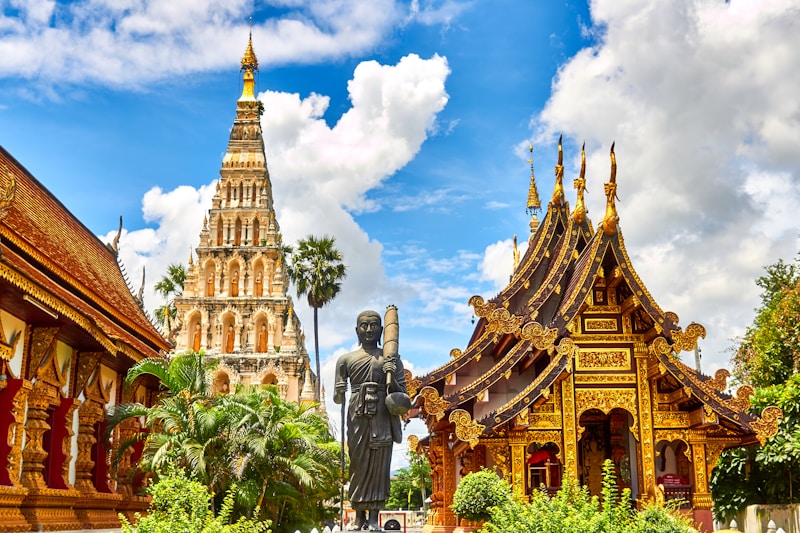
We've traveled through 40+ countries on a budget, testing the limits of how far a dollar can stretch. These 10 destinations are the best of the best - places where you can have an incredible, authentic travel experience without draining your bank account. From the ancient temples of Cambodia to the colorful markets of Morocco, from Budapest's thermal baths to Hanoi's street food scene, these destinations prove that the best things in life (and travel) really are cheap.
10 Best Budget Destinations Under $50/Day
Hanoi, Vietnam
Hanoi is the ultimate budget travel destination. You can eat like a king, stay in a clean private room, and fill your days with activities - all for under $35 a day. The street food is legendary: a bowl of pho costs around $1.50, banh mi sandwiches are $1, and a plate of bun cha with rice noodles and grilled pork is $2. Accommodation is equally cheap - a dorm bed in a nice hostel costs $4-$7, and a private room with bathroom runs $12-$18. The Old Quarter is walkable, and local buses cost less than 50 cents. Many of Hanoi's best attractions are free: wandering the Old Quarter, Hoan Kiem Lake, and the West Lake area. Even paid attractions like the Temple of Literature and Ho Chi Minh Mausoleum cost only $1-$3. Take a day trip to Halong Bay or Ninh Binh for $20-$30 including transport, lunch, and activities. Ready to go? Check out our Hanoi budget guide.
Budapest, Hungary
Budapest is the best-value capital city in Europe by a wide margin. The city has stunning architecture, world-class thermal baths, great nightlife, and excellent food - all at prices that feel like a steal compared to Western Europe. A hearty plate of goulash with bread costs $4-$6 at a local restaurant, a pint of Hungarian beer is $1.50-$2.50, and street food like langos costs $2-$4. Hostel dorm beds go for $8-$14, and private double rooms cost $25-$35. Public transit is efficient and cheap - a single ticket is about $1.20, and a 24-hour pass is around $5. Entrance to the famous Szechenyi Thermal Baths is about $18, which is a bargain for a full day of soaking in 18 different pools. The ruin bars of the Jewish Quarter are some of the coolest bars in Europe, and drinks cost a fraction of what you'd pay in Berlin or London. Start planning with our Budapest travel guide.
Marrakech, Morocco
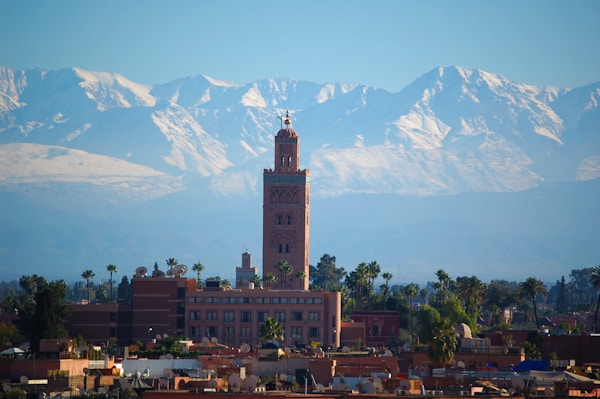
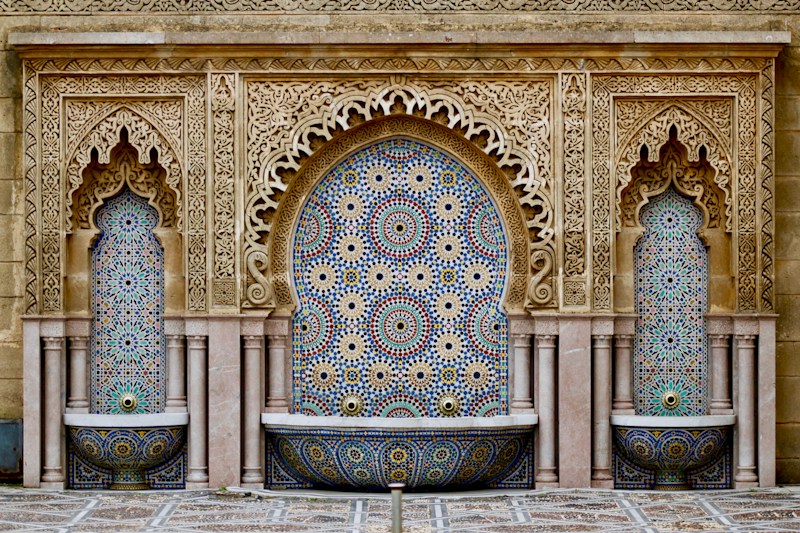
Marrakech is a feast for the senses that won't empty your wallet. The medina's maze of souks, palaces, and riads feels like stepping into another world - and it's incredibly cheap. A delicious tagine at a local restaurant costs $3-$5, mint tea is 50 cents, and street food like msemen (flaky flatbread) costs less than $1. Traditional riads (guesthouses inside the medina) are one of the great bargains of travel - a beautiful room with breakfast in a riad with a rooftop terrace and courtyard pool costs $20-$35 per night. You can even get a private room in a hostel for $10-$15. Many of Marrakech's best experiences are free: wandering the souks, people-watching in Jemaa el-Fnaa square, and getting lost in the medina's alleyways. Guided tours and day trips to the Atlas Mountains or the desert are surprisingly affordable. Learn more in our Marrakech budget guide and Morocco itinerary.
Bangkok, Thailand
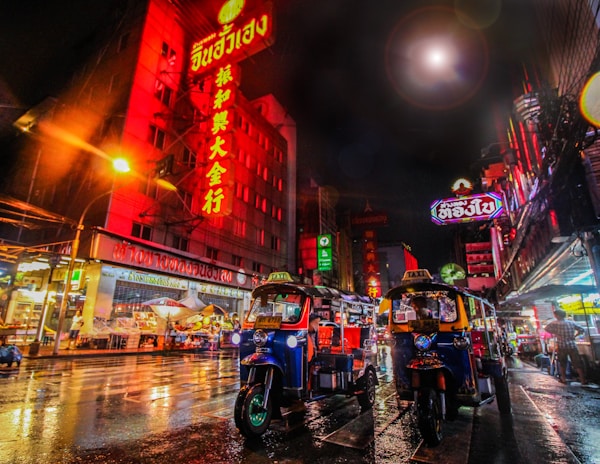
Bangkok is the gateway to Southeast Asia and one of the world's great budget cities. The street food is the stuff of legend - you can eat incredible Thai food from street vendors for $1-$3 per meal. Pad thai, green curry, tom yum soup, mango sticky rice - it's all available from stalls on nearly every corner. Hostels in Bangkok are among the best in the world, with swimming pools, rooftop bars, and dorm beds for $5-$10. Private rooms start at $15-$25. The city's public transit system (BTS Skytrain and MRT) is affordable and efficient, with rides costing $1-$2. Many of Bangkok's best temples have cheap or free entry - Wat Pho (the reclining Buddha) costs about $3, and Wat Arun is about $2. Tailor-made suits, Thai massages ($8-$15 for an hour), and day trips to Ayutthaya or the floating markets are all surprisingly affordable. Get the full picture with our Bangkok travel guide.
Krakow, Poland
Krakow is one of Europe's best-kept budget secrets. This beautiful medieval city has a stunning old town (a UNESCO World Heritage site), a fascinating Jewish Quarter, and easy access to Auschwitz-Birkenau and the Wieliczka Salt Mine - all at prices much lower than Western Europe. A pierogi dinner at a milk bar (traditional cheap eatery) costs $3-$5, a beer is $1.50-$2.50, and a big breakfast with coffee costs $4-$6. Hostel dorm beds cost $7-$12, and private rooms start at $20-$30. Public transit is cheap and reliable. The main square (Rynek Glowny), St. Mary's Basilica, and wandering the old town are all free. Auschwitz tours from Krakow cost about $15-$20 including transport, and the Wieliczka Salt Mine is about $12. The Kazimierz neighborhood has great bars, restaurants, and nightlife at very reasonable prices. Poland is one of the most underrated budget destinations in Europe - and Krakow is its jewel. Explore with our Krakow travel guide.
La Paz, Bolivia
Bolivia is the cheapest country in South America, and La Paz is its budget traveler hub. The city sits in a dramatic canyon at 3,650 meters (11,975 feet) - take a moment to acclimatize to the altitude. A set lunch (menu del dia) at a local restaurant costs $2-$3 and includes soup, main dish, and drink. Saltenas (savory pastries) cost 50 cents each from street vendors. Hostel dorm beds are $5-$10, and private rooms cost $15-$25. The famous Teleferico (cable car system) that crisscrosses the city costs less than 50 cents per ride. La Paz is the base for some of Bolivia's most incredible experiences: the Death Road mountain biking ($30-$40), Uyuni Salt Flat tours ($100-$150 for 3 days all-inclusive), and Lake Titicaca. Even multi-day tours are remarkably affordable by global standards. The altitude takes some getting used to - take it easy the first couple of days and drink lots of coca tea.
Porto, Portugal
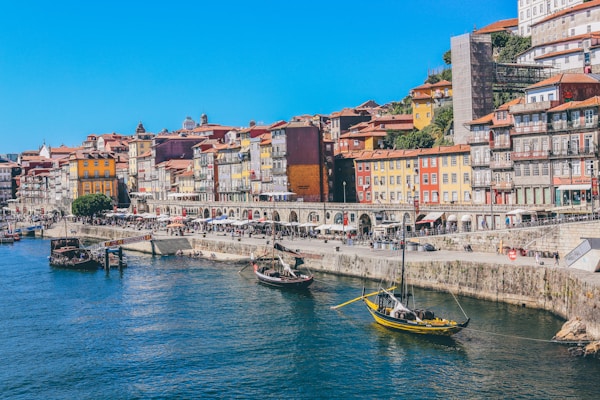
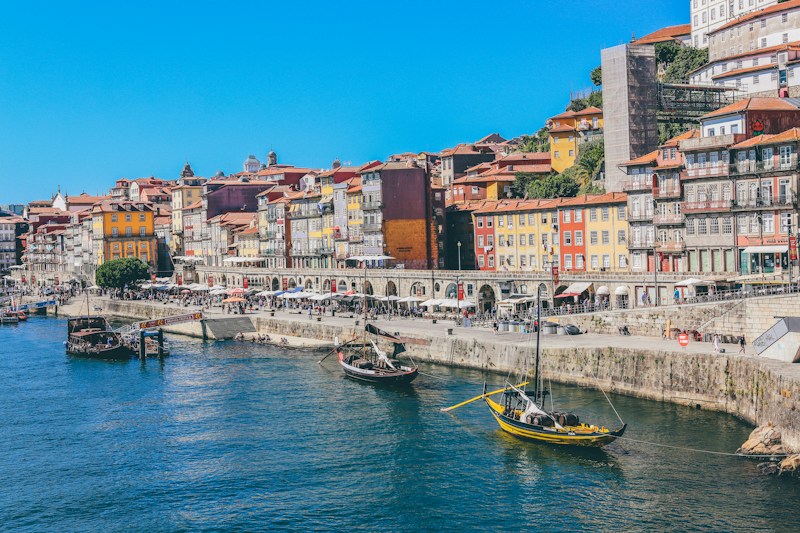
Porto proves you don't need to go to Eastern Europe to travel cheaply in Western Europe. This gritty, beautiful port city is the most affordable major city in Western Europe and offers incredible value. A francesinha (Porto's famous meat-and-cheese sandwich) with fries costs $6-$8, a glass of house wine at a tasca (small restaurant) costs $1.50-$3, and a pastel de nata is under $1. Hostel dorm beds cost $10-$15, and private rooms start at $30-$45. The historic center is walkable, and the metro is affordable. Many of Porto's best experiences are free: crossing the Dom Luis I bridge for sunset views, wandering the Ribeira neighborhood, and people-watching at cafes. Port wine tastings in Vila Nova de Gaia cost $5-$12 and usually include a tour. Day trips up the Douro Valley can be done affordably by train ($10-$15 round trip). Porto is the perfect budget introduction to Western Europe. Check our Porto budget guide for more.
Antigua, Guatemala
Antigua is the jewel of Central America, a beautifully preserved colonial town surrounded by volcanoes. It's also incredibly affordable. A meal of pepian (traditional Guatemalan stew) or chicken with rice and beans at a local comedor costs $2-$4. Street food like chuchitos (small tamales) or tostadas costs under $1. Hostel dorm beds are $6-$10, and boutique hotels with courtyards and gardens cost $25-$40 for a private room. Many of Antigua's highlights are free: wandering the colorful streets, visiting the ruins of old churches, and hiking hills for volcano views. Spanish classes cost about $150-$200 per week including homestay with meals - one of the best deals in language travel. Day trips to nearby volcanoes (Pacaya, Acatenango), Lake Atitlan, and coffee fincas are affordable and unforgettable. Guatemala is one of the cheapest countries in Central America and Antigua is its most popular destination for good reason.
Kathmandu, Nepal
Nepal is a trekking paradise and one of the cheapest countries in Asia for travelers. Kathmandu, its chaotic, colorful capital, is the gateway to the Himalayas - and it's incredibly affordable. A dal bhat (lentil soup and rice) set meal costs $2-$3 and is usually all-you-can-eat. Momos (Tibetan dumplings) cost $1-$2 per plate. Hostel dorm beds cost $3-$7, and nice guesthouse rooms start at $10-$15. Many of Kathmandu's UNESCO World Heritage sites have small entry fees ($2-$5), but wandering the Durbar Squares, Thamel, and Swayambhunath (the monkey temple) is cheap. The real reason to come to Nepal is trekking - and it's remarkably affordable. A 10-day guided trek in the Annapurna region can cost as little as $300-$500 including guide, porter, accommodation, and food. Tea house trekking means you stay in local guesthouses and eat home-cooked meals - it's an incredible experience at a bargain price.
Belgrade, Serbia
Belgrade is one of Europe's most underrated and affordable capital cities. Sitting at the confluence of the Danube and Sava rivers, the city has a gritty, energetic vibe, incredible nightlife, and prices that are among the lowest in Europe. A plate of cevapi (grilled meat sausages) with kajmak and bread costs $3-$5 at a local restaurant. A beer at a bar costs $1.50-$2.50, and Rakija (fruit brandy) is even cheaper. Hostel dorm beds cost $7-$12, and private rooms start at $20-$30. The city's main attractions - Kalemegdan Fortress, the Bohemian quarter of Skadarlija, and the pedestrian shopping street Knez Mihailova - are all free. Belgrade has a legendary nightlife scene, from floating river clubs (splavovi) to underground techno clubs, and drinks cost a fraction of what you'd pay in Western Europe. Day trips to Novi Sad and the Exit music festival are affordable and popular. Explore this hidden gem with our Belgrade travel guide.
Top Budget Travel Tips
Accommodation Hacks
Accommodation is usually your biggest expense. Save by staying in hostels - not only are they cheap, but they're great for meeting other travelers. Look for hostels with good reviews and included breakfast. Booking a private room in a hostel is often cheaper than a hotel and gives you the best of both worlds. For longer stays (a week or more), Airbnb or apartment rentals often offer weekly discounts. Couchsurfing is free and gives you a local perspective, but it requires more planning and isn't for everyone. Consider staying slightly outside the city center - a 15-minute walk or short transit ride can save you 30-50% on accommodation.
Eat Like a Local
Food is the second biggest budget item, but it's also the easiest to save on without sacrificing quality. Eat street food - it's almost always delicious, authentic, and cheap. Look for stalls with long lines of locals. Eat the set lunch (menu del dia, thali, dal bhat) that most local restaurants offer - it's usually half the price of ordering a la carte and includes multiple courses. Markets are great for cheap, fresh food. Avoid restaurants with English menus right in front of major tourist attractions - walk a few blocks away and prices will drop dramatically.
Transport on a Budget
Getting around doesn't have to be expensive. Walk whenever possible - not only is it free, but you'll see more. Use public transit instead of taxis. In cities with metro systems, buy a multi-day pass for the best value. For intercity travel, buses are almost always cheaper than trains. Budget airlines can be cheaper than trains if you book far enough in advance - but watch out for baggage fees. Slow travel saves money: staying in one place for a week or more cuts down on transport costs and gives you a deeper experience.
Final Thoughts
Budget travel isn't about deprivation - it's about freedom. When you don't need to spend a lot of money to travel well, you can travel longer, go further, and have more authentic experiences. Some of our best travel memories happened in the cheapest places: a $1 bowl of pho in Hanoi, a $5 hostel rooftop sunset in Marrakech, a $2 bus ride through the Bolivian Andes.
The $50-a-day budget is realistic for most of the destinations on this list, but it's not a hard rule. Some days you'll spend less, some days you'll spend more - that's normal. The key is to be intentional about your spending: splurge on experiences that matter to you, and cut costs on the things that don't. Whether it's a $300 multi-day trek in Nepal or a $3 street food feast in Bangkok, budget travel gives you the flexibility to choose what's worth it.
You don't need to be rich to travel the world. You just need to pick the right destination and be smart about how you spend. The world is waiting - and it's more affordable than you think.